Watch It First
The Ibanez GRGA120 sits in that price bracket where you are not spending real money, but you are still hoping the guitar does not feel like a toy. Good news: it does not.
This is Ibanez’s Gio line doing what it does best – borrowing design cues from the pricier RG-style guitars and packing them into a beginner-friendly shell. Poplar body, maple neck, 24 jumbo frets, two humbuckers. On paper it reads like a „starter guitar” checklist.
In practice it is a genuinely fun little rock machine, with a couple of rough edges I will get into.
First Impressions
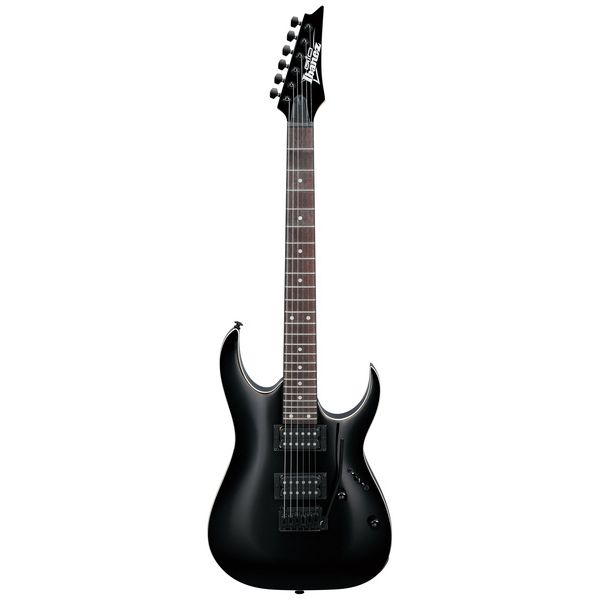
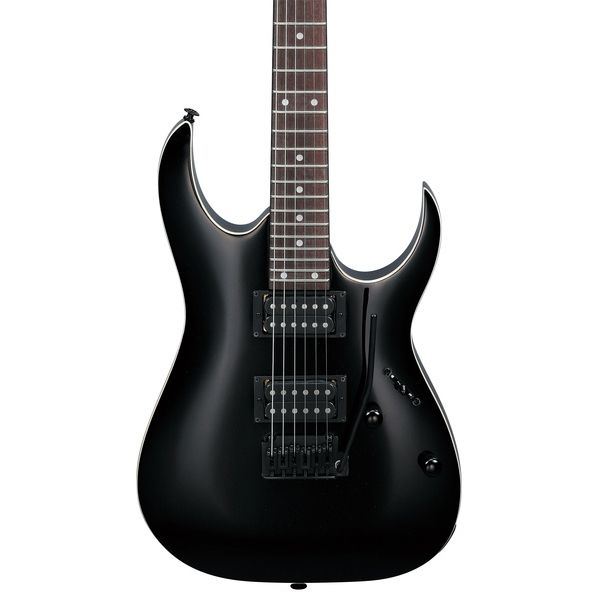
Out of the gigbag, the GRGA120 actually looks the part. The Black Knight finish is glossy and even, the white body binding on the neck pickup surround adds a nice bit of contrast, and the dot inlays on the bound purpleheart fingerboard are a genuinely classy touch for this price range.
Fit and finish is where budget guitars usually show their age first. Ours had decent fret ends and a straight neck out of the box, though owner reviews are mixed – some units need a setup tweak on arrival. Budget for a quick action adjustment and you will be fine.
The weight is light, which is great for long practice sessions but means it feels a little hollow when you knock on the body. That is poplar for you – cheap, light, and tonally fine, just do not expect mahogany density.
How It Plays
The 648mm scale and slim maple neck make this an easy guitar to get around fast. Twenty-four jumbo frets means full access to the top of the neck without the usual heel-block wrestling match.
If you have played a Squier Sonic Strat, the GRGA120 feels like the next rung up – a bit faster, a bit more aggressive in profile, clearly aimed at rock and metal players rather than strummers.
The T102 tremolo is basic but does the job for light dive bombs. Do not expect Floyd Rose stability – big moves will need re-tuning, which is normal at this price.
The Pickups
Ibanez’s Infinity R humbuckers are the quiet heroes of the Gio range. They are not going to fool anyone into thinking this is a boutique instrument, but they are notably more balanced than the ceramic screamers you get on some rivals.
Bridge pickup has enough bite for palm-muted riffing and basic lead work. Neck pickup cleans up nicely for warmer rhythm tones. The 5-way switch gives you some usable in-between quack too, which a lot of guitars in this bracket skip entirely.
It will not replace the humbuckers on something like a Yamaha Revstar Standard RSS20, but for the money, nobody is going to complain.
Where It Falls Short
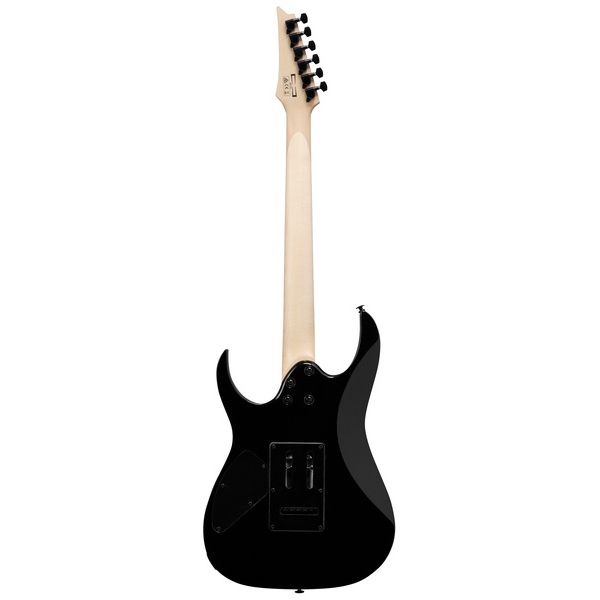
Let us be honest about the niggles. The stock strings are forgettable, and swapping them out on day one makes a bigger difference here than on most guitars I review.
The tuners hold reasonably well but are not in the same league as locking tuners on pricier instruments – expect to retune more during your first few weeks as the strings settle.
And the plastic nut, while fine, is a common upgrade path once you have had the guitar a while and want a bit more sustain and tuning stability.
Who It Is For
This is a guitar for someone who wants a real rock-shaped instrument without spending real rock money. It is a natural comparison point to something like the Cort G290 Modern, which sits in a similar bracket but leans a touch more modern in its electronics.
If you eventually want to go further upmarket, guitars like the PRS SE Paul’s Guitar show you where the ceiling is for this style of build, just at a very different price point.
Bass players poking around the Ibanez catalogue for something equally no-nonsense should also look at the Ibanez BTB605 – same brand philosophy, different instrument entirely.
And if the double-cutaway RG shape is not doing it for you, the Epiphone Explorer is worth a look for a completely different silhouette at a similar budget.
Specs at a Glance
- Body: Poplar
- Neck: Bolt-on maple
- Fingerboard: Bound purpleheart, 24 jumbo frets
- Scale length: 648mm
- Pickups: 2x Infinity R humbuckers (HH)
- Controls: 1 volume, 1 tone, 5-way switch
- Bridge: Ibanez T102 tremolo
- Hardware colour: Black
The Verdict
The Ibanez GRGA120 is not trying to be clever. It is a straightforward, well-shaped rock guitar with just enough Ibanez DNA to feel like the real thing rather than a toy version of one.
Swap the strings, maybe tweak the setup, and you have got a genuinely capable first or second electric guitar that will not embarrass you at band practice.
It will not replace a guitar twice its price, but nobody buying this expects it to. For what it is asking of you, it delivers comfortably more than that.
Setting It Up Right
A quick setup goes a long way on this guitar. Most units ship with slightly higher action than they need, so a basic truss rod and bridge height check on day one is worth doing, or worth asking your local shop to include.
New strings help more than you would think. The factory set is playable but dull sounding after a week or two, and a fresh set of 9s or 10s brightens the Infinity R pickups noticeably.
If you plan to use the tremolo often, a drop of lubricant at the nut slots and a proper stretch-in of new strings will keep tuning stability reasonable for a bridge at this price point.
Quick FAQ
Is the GRGA120 good for metal? Reasonably. The Infinity R bridge pickup has enough output for palm-muted riffing, though serious high-gain players will eventually want a pickup swap.
Is it a good first guitar? Yes, particularly for someone who already knows they want a rock-shaped guitar rather than a Strat or Les Paul style body. The slim neck is friendly for smaller hands too.
Does it need a setup out of the box? Most players will benefit from one, even if it is just a basic action and intonation check. Nothing unusual for a guitar at this price.