Watch It First
Practice amps used to mean one thing: a boring little box with a clean channel and maybe a gain switch if you were lucky.
The Positive Grid Spark 2 throws that whole idea out. It’s an amp, a Bluetooth speaker, a jam-along tool, and an AI tone generator crammed into one desktop-sized box.
Is the hype deserved, or is this just a gadget for people who like apps more than tone? I spent a few weeks with it to find out.
What’s New Versus the Original Spark
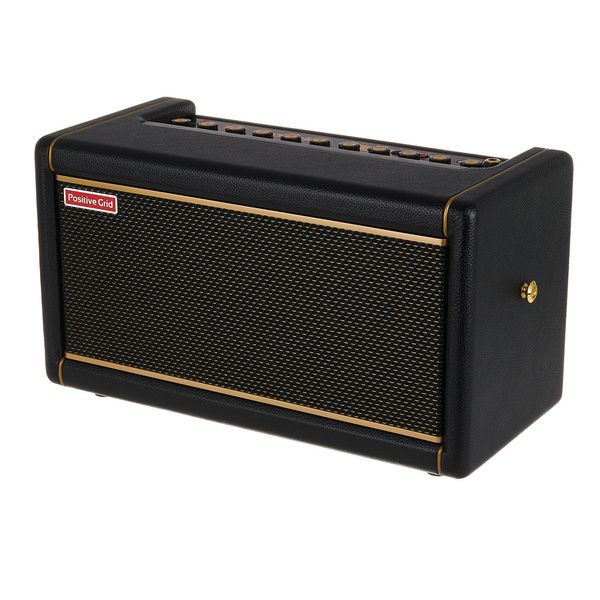
If you’ve used the original Spark 40, the Spark 2 will feel instantly familiar but noticeably upgraded. Same 50W stereo output and tilted-back cabinet design, but the DSP under the hood (Sonic IQ) is a generation newer.
The physical control layout got a rework too – onboard knobs now cover gain, bass, mid, treble, master, modulation, delay and reverb directly, so you’re not stuck in the app for basic tone tweaks anymore.
That’s a genuinely big deal. The original Spark practically demanded you use the app for anything beyond a preset switch. The Spark 2 lets you actually play without a phone in hand.
Tone Quality: Does It Actually Sound Good?
Yes, and honestly better than a desktop-sized amp has any right to. The 33 amp models cover everything from clean Fender-ish sparkle to properly saturated high-gain, and the modelling holds up well even at bedroom volumes.
Where it really impresses is low-volume playing. A lot of modelling amps sound thin until you push them – the Spark 2 keeps its low end and character even at 2am volumes, which is basically the whole point of a practice amp like this.
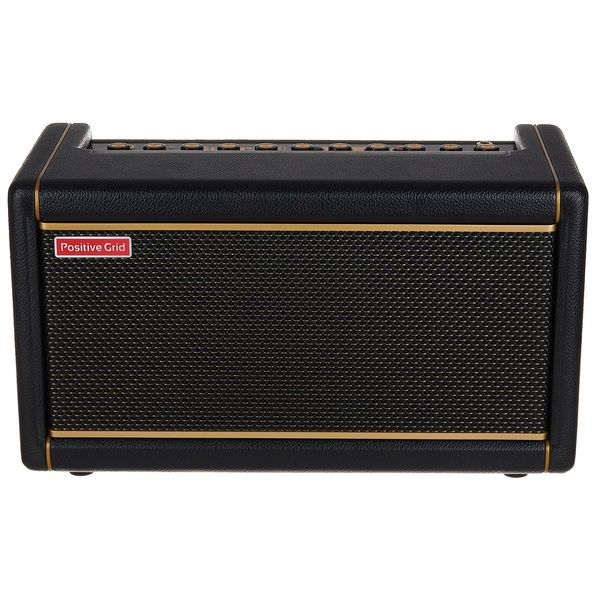
Compared to something like the Positive Grid Spark Mini, the Spark 2 has noticeably more headroom and low-end punch thanks to the bigger cabinet and dual 4-inch speakers – the Mini is more of a grab-and-go option, this is more of a proper desk or small-room amp.
The App and Spark AI
This is the feature that gets all the marketing attention, and IMO it mostly earns it. Type in an artist or song and Spark AI will generate a matching tone preset in seconds.
It’s not always spot on, but it’s a genuinely great starting point, especially for players who don’t yet know how to dial in tones by ear. Think of it as training wheels that happen to sound pretty decent on their own.
The built-in groove looper and drum machine round things out nicely for solo practice sessions. Auto Chords, which listens to a backing track and shows you the chords in real time, is a genuinely useful learning tool rather than a gimmick.
Bluetooth Speaker Duty
Worth mentioning: this doubles as a genuinely decent Bluetooth speaker when you’re not playing guitar. Stream a playlist through it and it holds up fine for background music in a small room – a nice bonus that a lot of buyers don’t expect going in.
Where It Comes Up Short
Build quality is good but not bulletproof – there’s a fair bit of plastic in the chassis, so this feels more like a serious home tool than something you’d want to gig with regularly.
The app, while good, can occasionally be a bit much – drum machine, looper, tone matching, social feed of other users’ presets. If you just want to plug in and play, it can feel like a lot of surface area to wade through.
If you want something leaner and more amp-sim-focused without the app-first approach, a pedal-based option like the NUX MG-30 or the Valeton GP-200 might suit you better, especially if you already own an amp or interface you like.
And if you specifically want an all-in-one combo amp experience rather than Positive Grid’s ecosystem, the Boss Katana Air EX is the obvious rival to cross-shop against.
Battery Life and Portability
Positive Grid sells an optional battery pack that gives you up to 12 hours of playtime, which turns this into a legit backyard or park-jam amp. It’s not included in the base bundle though, so factor that into your budget if portability matters to you.
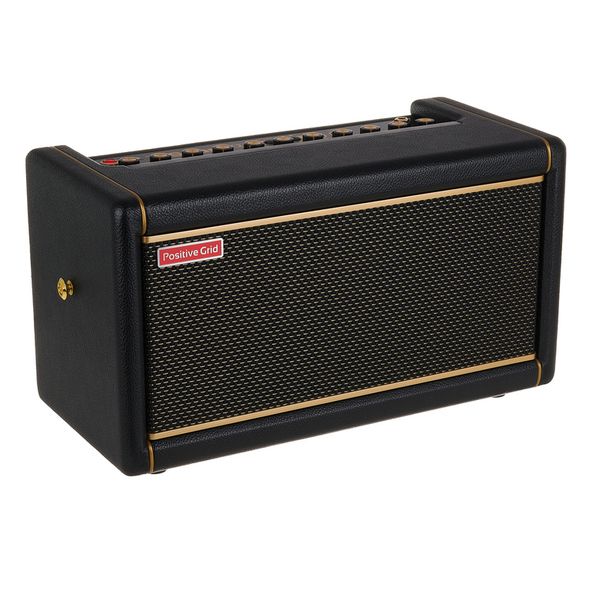
At just over 5kg it’s not exactly a Spark Mini in terms of grab-and-go convenience, but it’s still light enough to move room to room without complaint.
Who Should Buy the Spark 2
Bedroom players and students who want one device that handles tone, backing tracks, looping and learning all at once. It’s also a genuinely great option for anyone starting out on a new guitar who wants to explore tones without buying pedals one at a time.
Less ideal for gigging players who need a rugged, no-nonsense stage rig, or anyone who prefers hands-on tone shaping over app-driven workflows.
Positive Grid Spark 2 Specs
- Power: 50W, stereo output
- Speakers: 2 x 4″ angled stereo
- 33 amp models, 43 effects, 100+ drum patterns
- 8 onboard editable presets plus unlimited app presets
- Spark AI tone generation from text prompts
- Built-in looper, drum machine, and Auto Chords
- Bluetooth audio streaming and USB audio interface
- Battery operation possible with optional battery pack (up to 12 hours)
- Weight: 5.2kg
Final Verdict
The Positive Grid Spark 2 is one of the smartest practice amps you can buy right now. It sounds genuinely good, the onboard controls fix the biggest complaint about the original Spark, and the AI tone matching is more useful than gimmicky.
It’s not a gigging amp, and the app ecosystem takes a little getting used to. But as a daily practice tool that keeps you actually wanting to pick up the guitar, it’s hard to beat at this price point.
If you’ve been putting off getting a „proper” home amp because everything decent felt either boring or overpriced, this is worth serious consideration.