Watch It First
Every guitarist needs a bedroom amp at some point, and the Orange Crush 12 shows up on basically every „best beginner amp” list going.
It’s tiny, it’s cheap, and it’s got that unmistakable orange grille cloth everyone recognizes from festival stages twenty times its size.
The question is whether it’s actually good, or just good marketing. I plugged one in to find out.
First Impressions
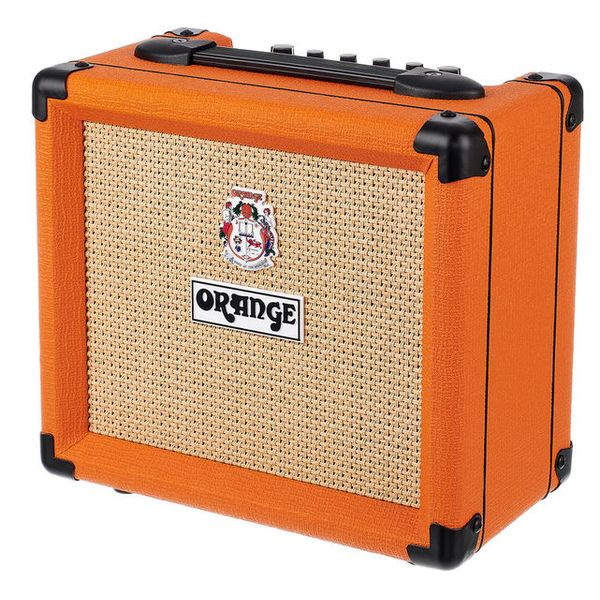
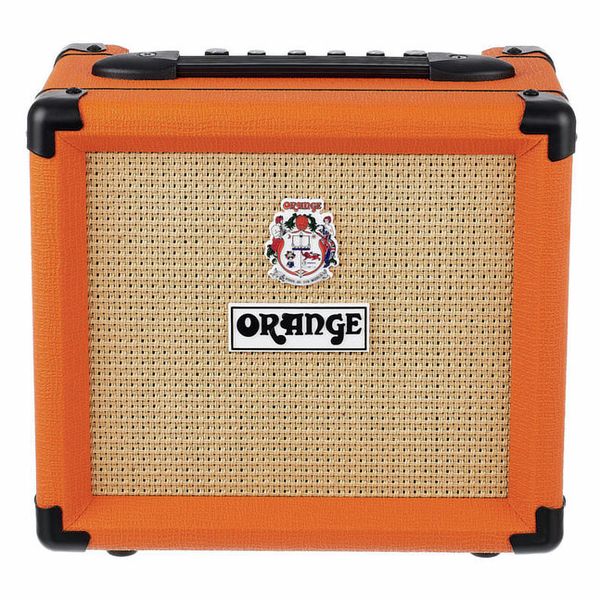
You pick this thing up and immediately notice how light it is. 4.7kg, single 6-inch speaker, plastic-ish cabinet with that classic Orange wedge shape.
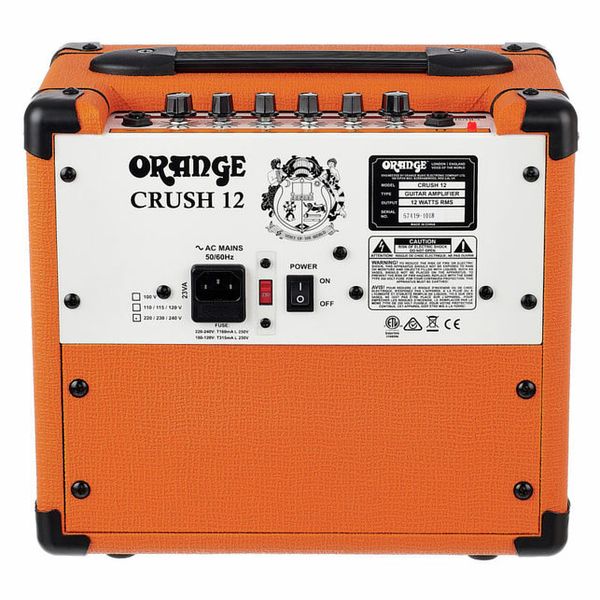
It doesn’t feel like a toy though. The control panel is simple: Gain, Bass, Middle, Treble, Master Volume. That’s it. No menus, no presets, no faffing about.
For anyone coming from a phone-controlled modeler or a Spark, this is refreshingly analogue. Turn a knob, hear a change. Simple as that.
Tone and Controls
The Gain knob is doing double duty here — roll it back and you get a surprisingly clean, chimey tone for a 12-watt solid-state combo. Push it and it breaks up into a gritty, mid-focused crunch that’s more punk than metal.
Don’t expect high-gain saturation. This isn’t that amp, and if you’re after that check our roundup of amps built for distortion and overdrive instead.
What surprised me is how usable the 3-band EQ actually is. A lot of budget amps give you EQ knobs that barely do anything audible. These ones have real range — you can scoop the mids for a more modern rock voice or keep it flat for a vintage-ish clean.
The headphone output is a genuine highlight, not an afterthought. Plug in at 11pm, nobody hears a thing, and it still sounds like an amp rather than a tinny simulation. IMO that alone justifies the price for apartment dwellers.
Who’s This Actually For
Total beginners, obviously. If you’re also still shopping for the guitar to plug into it, our guide to the best cheap electric guitars for beginners is worth a read first.
It pairs really nicely with something entry-level like the Squier Sonic Strat — neither one is going to break the bank, and together they cover everything a first-year player actually needs.
It’s also a solid grab-and-go option for anyone who already owns a bigger rig but wants something small for a hotel room, a rehearsal space corner, or just noodling on the sofa without hauling the big combo downstairs.
Teachers use these a lot too — I’ve seen a few reviews from guitar tutors running two of them side by side in lesson rooms. Simple, cheap, and reliable enough for that job.
Build Quality and Everyday Use
The cabinet is lightweight MDF-ish material rather than solid ply, which keeps the price and weight down but also means it’s not something you want to toss around in a gig bag long term.
A few long-term owners mention the power jack panel on the back isn’t the sturdiest part of the amp — press too hard plugging in the adapter and you can feel some flex. Nothing that’s failed for most people, just something to be gentle with.
Day to day though, it just works. Flick it on, it’s warmed up in seconds, no fan noise, no hum to speak of. That reliability matters more than people think when it’s the amp you’re actually going to use every single day.
The Honest Cons
Let’s not pretend this is a perfect amp, because it isn’t.
- Single channel — no separate clean/dirty footswitch option like pricier Crush models
- No reverb, no built-in effects, no Bluetooth
- Small 6″ speaker runs out of headroom fast once you push past bedroom volume
- Power input panel feels a bit delicate on the back
- Not loud enough for band practice with a drummer, full stop
None of that is really a surprise for something this size and this price. Just go in with the right expectations and you won’t be disappointed.
How It Compares
The obvious rival is the Marshall MG10, and we’ve actually put the two head to head in our Marshall MG10 vs MG15 comparison if you want the Marshall side of that argument.
Compared to the Marshall, the Crush 12 generally wins on cleans and headphone tone, while the Marshall can feel a touch more aggressive on the dirty side.
Once you outgrow this and start chasing real tube dynamics — especially for heavier styles — it’s worth browsing our list of the best tube amps for metal to see where the next step up actually leads.
And if budget solid-state amps in general interest you, we’ve also covered whether Bugera amps are actually any good, which is a useful read alongside this one.
Running Pedals Through It
A lot of beginners ask whether a cheap practice amp like this can handle pedals. Short answer: yes, and it actually takes them reasonably well.
Drive pedals stack fine on top of the clean channel if you keep the onboard Gain low and let the pedal do the dirty work. A basic tuner, compressor, or chorus pedal in front of it behaves exactly like you’d expect — no weird impedance issues, no unexpected noise floor problems.
Where it struggles a bit is with anything that needs serious headroom, like a fuzz pedal dimed at full blast. The single 6-inch speaker just can’t move enough air to keep that kind of signal from getting a little farty at higher volumes. Keep expectations sensible and it’s a genuinely fun little pedal platform for bedroom experimenting.
One more thing worth mentioning: because there’s no effects loop or line input, you’re limited to the front-of-amp instrument jack for everything. Fine for practice, a real limitation if you were ever hoping to use this as a studio return amp.
Full Specs
- Power: 12 W solid-state
- Speaker: 1x 6″
- Channels: 1
- EQ: 3-band (Bass, Middle, Treble)
- Controls: Gain/Overdrive, Master Volume
- Headphone output: Yes
- Effects / Reverb: None
- Weight: 4.7 kg
- Colour: Orange
Final Verdict
The Orange Crush 12 isn’t trying to be anything it’s not. It’s a small, honest, well-voiced practice amp that happens to wear a very famous badge.
For a first amp, a silent-practice headphone rig, or a grab-and-go noodling companion, it punches well above its weight class. Just don’t expect it to double as a gigging rig.
If your budget stretches to this price bracket and you want a name-brand tone without the name-brand price tag, this is genuinely one of the easiest recommendations on the market right now 😉