Watch It First
Marshall’s Origin series exists for one reason: to get back to basics after years of the brand chasing multi-channel, feature-packed amps.
The Origin 50C is a single-channel, 50-watt EL34 tube combo with one job – deliver that JTM45/JMP-style British crunch without a mixing desk’s worth of switches to wade through.
Real tubes, real Celestion speaker, real Marshall pedigree. Let’s see if simple actually means good here.
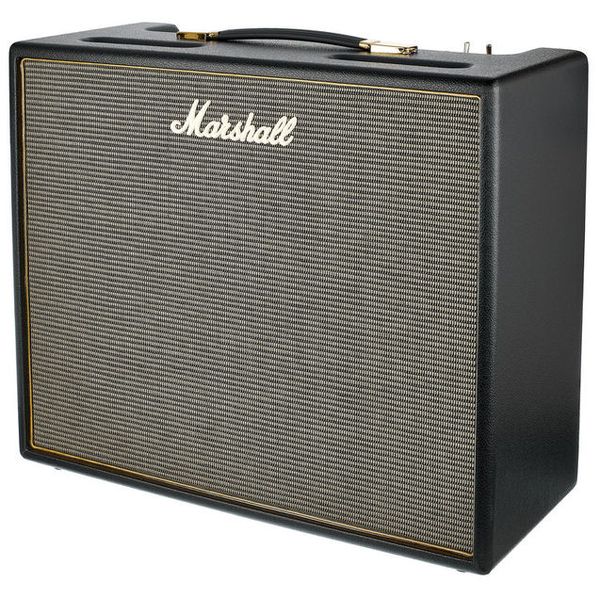
Vintage Crunch, No Nonsense
One channel. Gain, Tilt, Bass, Middle, Treble, Master, Presence. That’s it. No presets, no digital anything, just a proper preamp (3x ECC83) feeding a pair of EL34 power tubes.
The Tilt knob is the clever bit here – it recreates that classic „bridged inputs” trick old Plexi heads needed a patch cable for, blending the warmer Normal voicing with a brighter High Treble voicing on the fly. Roll it one way for woolier vintage crunch, the other for cut-through bite.
Push the Gain Boost (pull the volume knob) and you get a genuinely satisfying jump into thicker, more saturated territory without needing a pedal in front of it. It’s not a metal amp by any stretch – for that, see our 5 Best Tube Amps For Metal guide – but for rock, blues-rock and classic hard rock tones it’s dead-on.
Power Scaling: Bedroom to Stage
This is the feature that makes the Origin 50C genuinely versatile rather than just „another 50-watt combo.” A three-way output switch drops you from 50 watts down to 10, or all the way to 5.
Crucially, this isn’t a volume knob trick – it’s changing how hard the power section works, so you can get real power-amp saturation and breakup at living-room volume instead of just a quieter clean tone. That’s a genuinely big deal if you’ve ever tried cranking a 50-watt tube head in a flat.
Build and Practicality
At 18.2kg it’s a proper amp to lug around, but that’s the tradeoff for real tubes and a genuine 12″ Celestion speaker rather than a lightweight digital rig.
Unlike a lot of amps at this price, Marshall actually includes the footswitch for the boost and effects loop functions in the box – a small thing, but it saves you an extra purchase most competitors quietly leave off the spec sheet.
Reviewers do flag that the rear panel connections are a bit cramped and fiddly to reach once the amp’s on a stand, so plan your cable routing before you’re mid-soundcheck.
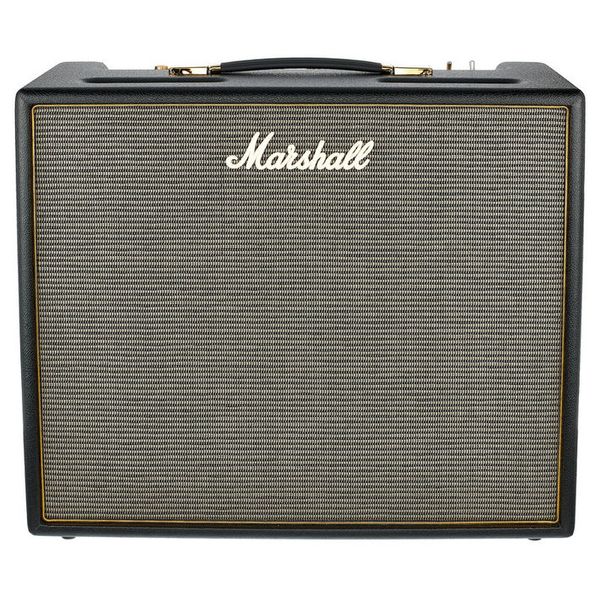
Recording With the DI Out
The built-in DI out is a genuinely useful inclusion for a purist amp like this. It means you can grab a usable direct signal for recording or a small PA feed without setting up a mic, which is handy if you’re tracking demos late at night and don’t want to wake the house.
It won’t fully replace a proper mic’d cabinet in a serious studio session, but for quick capture or a backline-light gig, it does the job without fuss. Combined with the power scaling down to 5 watts, you can genuinely record convincing power-amp breakup at a volume your neighbours won’t file a complaint about.
How It Stacks Up
The obvious rival here is the Fender Blues Junior IV – similarly priced, similarly puristic, but chasing a completely different tonal character. Fender clean-and-breakup versus Marshall crunch-and-gain. Neither’s „better,” it just depends which side of the Atlantic your ears prefer.
Within Marshall’s own lineup, it’s also worth comparing to something like the Peavey Classic 30 if tube warmth on a tighter budget is the goal, or our own Marshall Code 25 review if you’d rather have modelling flexibility than real valve tone. And if you want the full family tree, our 10 Best Marshall Amps For All Budgets roundup lays out where the Origin series sits.
Who’s This Actually For?
Gigging rock and blues-rock players who want a genuine, no-frills Marshall tube tone and don’t need a menu of amp models to get there. This is a plug-in-and-go amp in the best sense.
It’s also a great pedal platform – the single clean-ish channel with boost gives pedals a lot to work with, and the power scaling means you can actually use it at home too, not just in a rehearsal room.
If you need multiple distinct channels or built-in effects beyond an FX loop, this isn’t your amp – the whole point of the Origin series is doing less, better.
The Niggles
- No reverb built in, so budget for a pedal if you want it.
- Rear panel connections are a tight squeeze to access once mounted.
- Some players report the tone stays a bit „clangy” at higher volumes regardless of EQ tweaking – worth trying before you commit if possible.
- It’s heavy, and single-channel means zero built-in versatility beyond the Tilt blend and boost.
None of this is unusual for a purist single-channel tube combo, but go in knowing what you’re buying.
Specs at a Glance
- Power: 50 W (switchable to 10 W or 5 W)
- Speaker: 1x 12″ Celestion G12N-60 Midnight
- Preamp tubes: 3x ECC83 (12AX7)
- Power tubes: 2x EL34
- Channels: 1, with Gain Boost function
- Controls: Gain, Tilt, Bass, Middle, Treble, Master, Presence
- Effects loop: Series FX send/return
- Footswitch: Included
- DI out: Yes
- Weight: 18.2 kg
The Verdict
The Marshall Origin 50C does exactly what it says on the tin: real tube crunch, genuine Marshall DNA, at a price that doesn’t require selling a kidney.
It’s not trying to be your only amp for every genre, and it’s not drowning you in features you’ll never use. What it delivers is honest, gig-ready British rock tone with just enough modern convenience (power scaling, included footswitch) to make daily use painless.
For players who know exactly what tone they want and don’t need an amp to hold their hand, this is a genuinely excellent, gig-ready choice.