Watch It First
Spanish-made classical guitars usually mean two things: a long wait and a price tag that makes you wince. The Alhambra 1C somehow avoids both.
Alhambra has been building guitars in Muro de Alcoy since the 60s, and the 1C is their entry point into that whole world. Not a Chinese-built budget nylon-string wearing a Spanish badge, an actual Spanish workshop instrument at a price that doesn’t require a second mortgage.
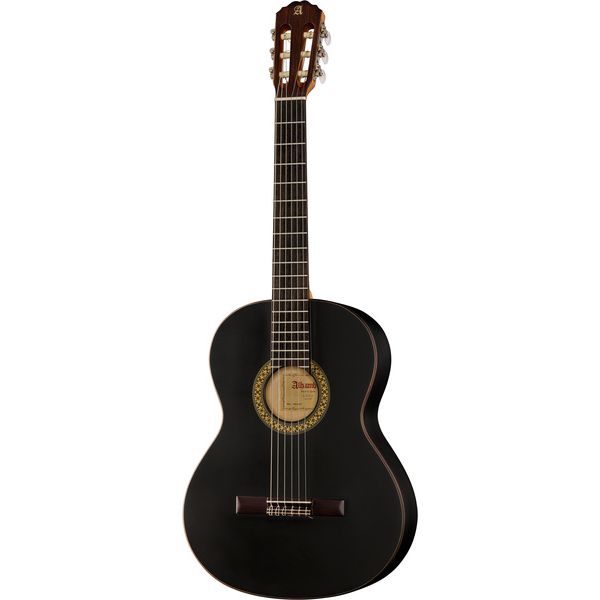
I went hands-on with the Black Satin finish for this review. Solid cedar top, sapele back and sides, and a gigbag thrown in. Let’s get into whether it’s worth it.
Build and Materials
The top is solid A-grade cedar, not laminate, which is a genuinely big deal at this price. Solid tops resonate and age better than laminate ones, they open up over years of playing rather than staying static. Back and sides are sapele, a mahogany relative that’s durable and gives a warm, focused low end rather than a boomy one.
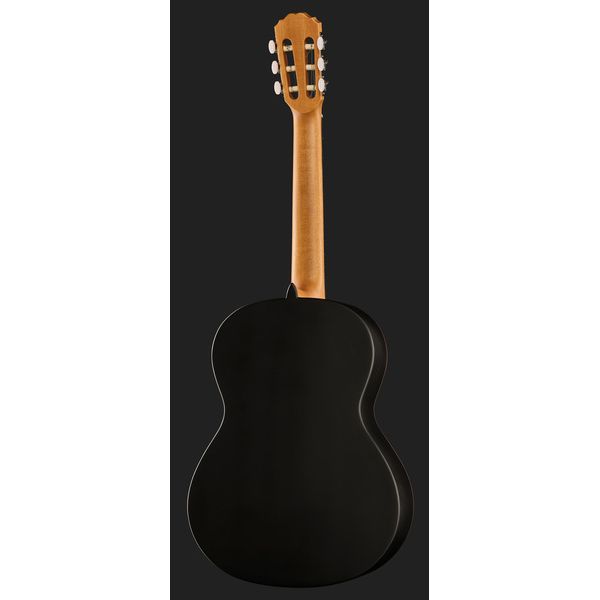
Neck is sapele too, topped with a rosewood fingerboard and rosewood bridge. Scale length is a traditional 650mm, and the nut is a proper classical 52mm width. That’s wide compared to a steel-string, but that’s just what classical playing demands, your thumb and fingers need the room for proper right-hand technique.
Finish and Fit
The satin black finish is matte rather than gloss, which means it’s less flashy but also less prone to showing every fingerprint and scratch under stage lights. Fit and finish is what you’d hope for from a Spanish workshop: clean fretwork, tidy rosette, no glue lines poking out where they shouldn’t be.
Playability and Feel
If you’re coming from a steel-string acoustic like a Yamaha FG800, the wider neck and flat fingerboard radius will take a session or two to adjust to. That’s just classical guitar, not a flaw specific to this one. Once your hand adapts, it’s genuinely comfortable, the neck profile isn’t chunky and action out of the box is low enough for barre chords without a fight.
It’s a lightweight guitar too, which matters more than people think for long practice sessions. Nothing about it feels fatiguing to hold, even without a strap (classical technique generally doesn’t use one anyway, resting on your leg with a footstool or support is the traditional approach).
Tone and Sound
This is where the solid cedar top does its job. Cedar tends to sound warmer and more immediately responsive than spruce, great for fingerstyle and classical repertoire where you want notes to bloom quickly rather than needing years of playing-in. Trebles are sweet rather than harsh, basses are round and full without turning to mush.
It’s not going to out-project a concert-hall instrument costing five times as much, obviously. But for bedroom practice, lessons, or small recitals, it more than holds its own. If you want a nylon-string that leans more toward stage and amplified use, something like the Yamaha NTX1 is worth a look instead, though you’d be trading some of that traditional Spanish voice for onboard electronics.
Who It’s For
This is aimed at students taking classical or flamenco lessons seriously, or hobbyists who want an instrument that’ll still be worth playing in ten years rather than something they’ll toss aside after a year. Conservatory students on a budget, parents buying a „real” first classical guitar instead of a toy-grade laminate one, and players upgrading from a starter pack all fit the brief here.
Honest Niggles
Not every part of the experience is flawless.
- The satin finish marks and shows fingerprints more easily than a gloss finish would, some owners report scuffs appearing quickly.
- No onboard electronics or pickup, so if you want to plug into an amp or PA you’ll need to add one yourself or buy a different model.
- Lead times from Thomann can run several weeks since these are workshop-built rather than mass-produced on demand.
- The wide nut width is objectively correct for classical technique but can feel like an adjustment if this is your first nylon-string.
How It Compares
Against a laminate-top beginner classical like the entry-level Yamaha C40 line, the 1C’s solid cedar top is the clear step up in long-term tone and resale value. If you’re weighing it against a steel-string dreadnought instead, remember you’re comparing two genuinely different instruments, a Fender CC-60S or similarly priced steel-string will feel and sound completely different under the fingers, louder and brighter but far less forgiving on the fingertips while you build calluses.
Budget alternatives like the Epiphone PR-150 exist for a reason, they’re cheaper, but they’re laminate-built and won’t develop the same tonal depth over time. If you eventually want to amplify a nylon-string for gigging, pairing something like this with a proper Fender Acoustic SFX II down the line rounds out the setup nicely, just know you’d need a soundhole pickup added first since the 1C doesn’t have electronics built in.
Key Specs
- Top: Solid A cedar
- Back and sides: Sapele
- Neck: Sapele
- Fingerboard and bridge: Rosewood
- Scale: 650mm / 25.6″
- Nut width: 52mm / 2.05″
- Finish: Satin black
- Includes: Gigbag
- Pickup: None (acoustic only)
Final Verdict
The Alhambra 1C is proof that a proper Spanish-built classical guitar doesn’t have to be an unreachable luxury purchase. Solid cedar top, real workshop construction, and a tone that actually rewards you for practicing. That’s a rare combination at this level.
Living With a Solid Top Guitar
One thing worth knowing before you buy: solid wood tops like this cedar one are more sensitive to humidity swings than laminate guitars. That’s not a defect, it’s just physics, real wood breathes. Keep it away from radiators, don’t leave it in a hot car, and a cheap humidifier in the case during winter heating season will keep the top from developing cracks.
The upside massively outweighs that small bit of extra care. A solid cedar top actually improves with age as the wood fibers loosen up from vibration, so the guitar you buy today will likely sound even better in five years. Laminate tops just don’t do that, they’re basically tonally frozen from day one.
If you’re serious about classical or flamenco playing and tired of instruments that sound like cardboard boxes, this is one of the smartest first „real” guitars you can buy. Solid recommendation, no asterisks needed.