Watch It First
Ask any bass forum what the go-to first bass is and the Yamaha TRBX174 comes up constantly. Not because it’s flashy — it isn’t — but because it just quietly does everything right for the money. It’s been doing that for over a decade now, which says something on its own.
PJ pickup setup, 24 frets, long scale, passive electronics. Nothing exotic on paper. But bass players aren’t exactly known for needing exotic — they need something solid that sits in the pocket and doesn’t fall apart.
I’ve recommended this bass to more beginners than I can count at this point. Every single one came back happy, which is a better track record than most amps I’ve reviewed here, tbh.
Build Quality — Better Than It Should Be
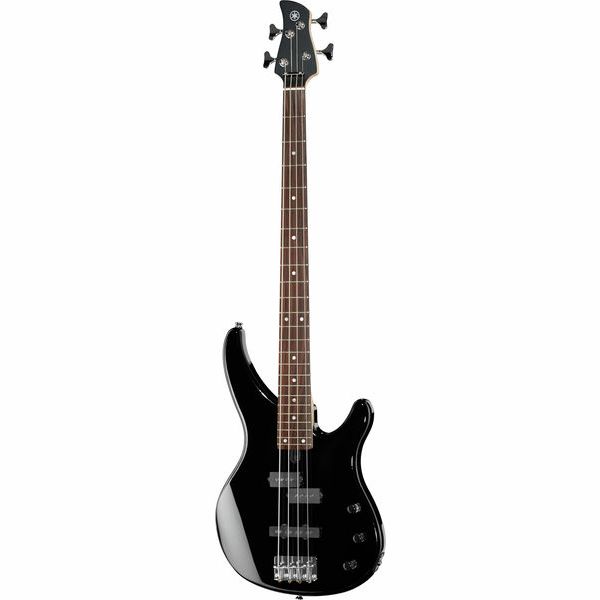
Alder body, bolt-on maple neck, sonokeling fingerboard (a rosewood relative that’s become common as actual rosewood got restricted). 24 frets is genuinely generous for a bass in this price range — a lot of budget basses stop at 20 or 21 and call it done.
Fit and finish punches well above what the price tag suggests. Fret ends are dressed properly, the neck joint is tight, and the chrome hardware doesn’t feel like it’ll tarnish after six months of gigging. Owner reviews consistently mention how solid the electronics feel too — no crackly pots, no noisy output, even years in.
Neck Feel
40mm nut width keeps it friendly for players coming from guitar, and the long scale (864mm) gives you proper string tension without feeling like a stretch. It’s genuinely light too — several owners specifically call out how comfortable it is for long sessions compared to other basses in the same bracket, like the Harley Benton PJ-4 Deluxe.
Tone — PJ Versatility
Split single-coil P pickup plus a single-coil J pickup gives you the classic PJ spread: thick, punchy low-mids from the P side, snap and clarity from the J side when you blend it in. It’s a genuinely versatile combo — rock, funk, jazz, metal, all doable without swapping basses.
Passive electronics keep it simple — volume, volume, tone, nothing to overthink. Plug straight into a Fender Rumble 40 or an Ampeg Rocket Bass RB-110 and you’re immediately in usable territory without touching a single EQ knob.
Setting It Up Right
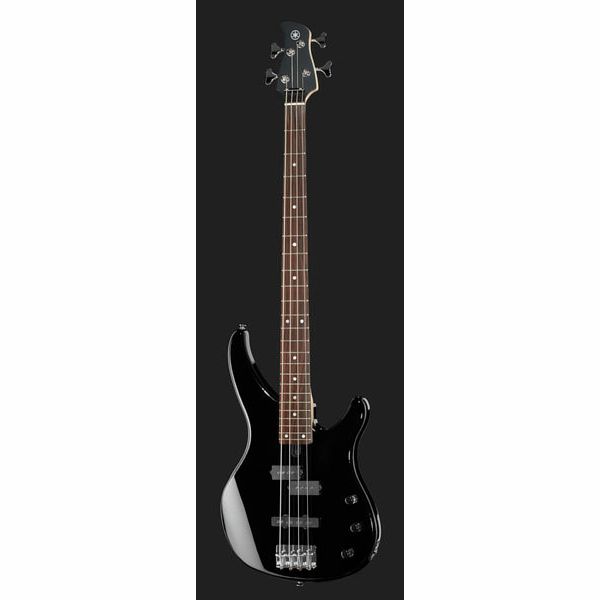
Out of the box the action is usually set reasonably low already, but bass necks move more than guitar necks with humidity and string tension changes, so a truss rod check within the first month is a good habit regardless of what you buy. The TRBX174’s neck is stable enough that most owners report barely needing to touch it after the initial setup.
If you’re brand new to bass, get a tech (or a patient friend) to walk you through basic intonation and action adjustment on this one — it’s a genuinely good „learn how basses work” instrument precisely because nothing about it is finicky or unpredictable.
Who’s This Bass For
Absolute beginners who don’t want to outgrow their first bass in six months. Gigging players who want a reliable, no-fuss backup that won’t let them down. Home recorders who need a versatile DI tone without fighting noisy electronics.
It’s also just a smart pickup for anyone building a small studio collection — pair it with a compressor like the Boss CS-3 and you’ve got a tight, consistent DI bass tone for demos without spending big.
The Honest Niggles
No case or gigbag in the box, so budget one in separately — this isn’t unusual at the price point but still worth flagging. Passive-only electronics mean if you want active EQ shaping onboard, you’ll need to look at the step-up TRBX304 instead.
Stock strings are fine but not amazing — several long-term owners swap to Ernie Ball or D’Addario early on and report a noticeable improvement. Not a flaw exactly, just budget cost-cutting you should plan around.
Weight is another underrated win here — a lot of alder-body basses in this range end up heavier than expected once hardware is added, but the TRBX174 stays light enough for a three-set gig without your shoulder filing a complaint. Combined with the balanced neck dive (or lack of it), it just disappears on a strap, which is exactly what you want from a workhorse instrument.
For context, plenty of touring techs keep one of these around as a reliable loaner precisely because it holds up to abuse and rarely needs attention between shows. That’s a strong endorsement for a bass that costs a fraction of what’s usually on a pro rider.
How It Compares
Against the Squier or Ibanez entry-level basses in the same bracket, the TRBX174 generally wins on fret access (24 vs the usual 20-21) and overall build consistency — Yamaha’s QC reputation isn’t hype. Against something pricier like a Warwick-paired setup, obviously you’re trading up in tone shaping options, but for the price bracket the TRBX174 has very few weaknesses.
The finish options are worth a mention too — beyond the basic Black, Yamaha offers this in a couple of gloss colors and the EW variant with a mango wood top, which trades a bit of the classic look for something more distinctive on stage. None of the color choices affect tone in any meaningful way, so pick whichever one you’ll actually enjoy looking at every day.
Quick Specs
- Body: Alder
- Neck: Maple, bolt-on
- Fingerboard: Sonokeling
- Frets: 24
- Scale: 864mm long scale
- Nut width: 40mm
- Pickups: PJ (split single coil P + single coil J)
- Electronics: Passive, volume/volume/tone
- Hardware: Chrome
- Case/gigbag: Not included
One last practical note: replacement parts and pickups for the TRBX series are widely available since it’s been in production so long, so upgrading down the line — new pickups, a better bridge, different tuners — is straightforward if you ever want to personalize it further instead of trading up to a pricier bass.
Final Verdict
The Yamaha TRBX174 has been the smart first-bass recommendation for years, and it hasn’t lost that title. Solid build, versatile PJ tone, comfortable neck, and a reputation for reliability that a lot of pricier basses can’t match.
It punches well above its price bracket, plain and simple. If you’re buying a first bass or a reliable backup, this is still one of the easiest recommendations out there.