Watch It First
Modelling amps have a reputation problem. A lot of players still think „digital” means „plasticky” – flat dynamics, a weird stiffness under your fingers no matter how good the amp sims sound on paper.
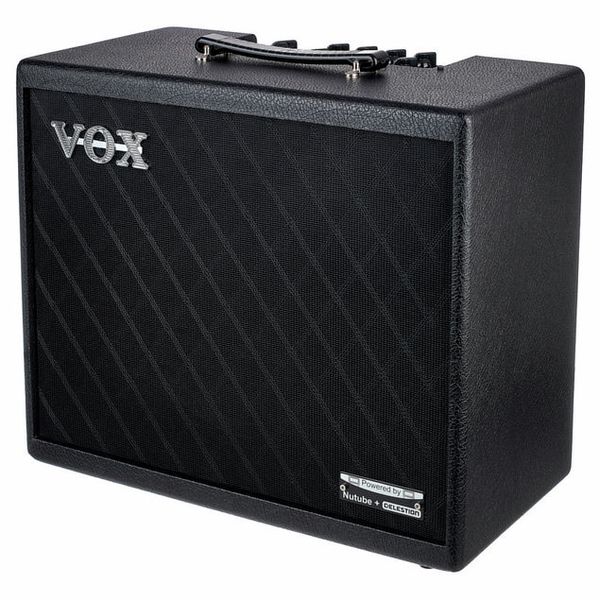
The Vox Cambridge50 quietly sidesteps that whole argument. There’s a real Nutube – an actual vacuum tube – sitting in the signal path, and it changes how the amp responds under your hands in a way pure software modelling never quite manages.
I spent a good chunk of time flipping through its amp models, running it into headphones at 1am, and recording direct via USB. Here’s what actually stood out.
Nutube – The Bit That Actually Matters
Nutube is Korg’s flat-panel vacuum triode, and Vox uses it here to drive part of the signal chain rather than relying purely on DSP modelling. The result is a touch-sensitivity and compression response that feels genuinely tube-like under your picking hand – dig in and it pushes back the way a real amp does, instead of just getting louder in a flat, digital way.
It’s a smart hybrid approach: you get the flexibility of 11 amp models and 8 effect types (two usable simultaneously), but the amp doesn’t feel sterile the way a lot of pure-modelling boxes still do.
Tone
Clean and Vox-Voiced Models
Unsurprisingly, the Vox-flavoured amp models (AC30-style voicings included) are where this thing shines brightest – chimey, slightly compressed, instantly familiar if you’ve ever played a real AC15 or AC30. It’s not going to fool a purist doing an A/B test, but for everyday playing it’s genuinely convincing.
Beyond Vox – The Other Models
The other amp models cover a decent spread – British crunch, American clean, higher-gain stuff for rock and metal. None of them will replace a dedicated amp if that’s your main genre, but as an all-rounder for a player who jumps between styles, it covers a lot of ground. If you mostly play indie or alt-rock, it slots in nicely alongside gear discussed in our indie rock amp guide.
Build, Recording, and Practice Features
This is where the Cambridge50 quietly becomes way more useful than a „normal” combo. There’s a built-in USB audio interface, so you can plug straight into your laptop and record without any extra hardware – genuinely handy for anyone who demos ideas at odd hours. Pair it with the included JamVOX III software or the Tone Room editor and you can dig deep into tweaking your own patches.
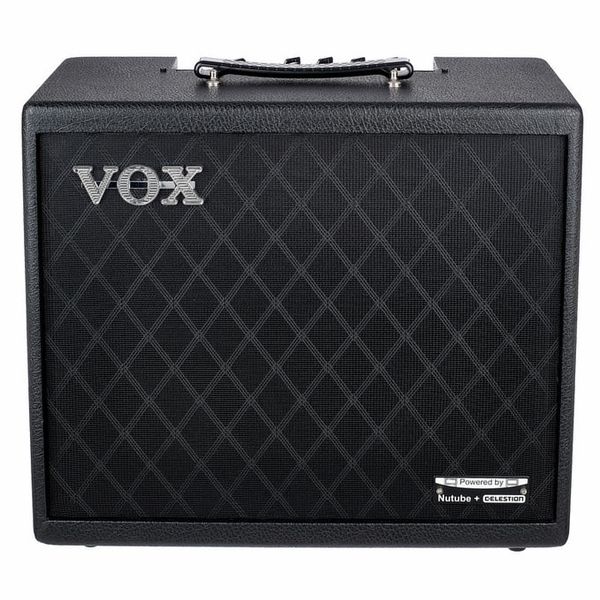
The line-out/headphone jack includes speaker emulation, so silent practice actually sounds like an amp and not a thin, farty mess – a common failure point on cheaper modelling gear. At 9.6kg it’s light enough to move around the house or sling in the car without a second thought.
Memory Slots and Footswitch
You get 2 onboard user memory slots, which expands to 8 if you add the VOX VFS-5 footswitch (sold separately). For home use 2 is fine; if you’re gigging with it and need to switch patches on the fly, budget for the footswitch as an essential add-on, not an afterthought.
Who’s This For
Home players and hobbyist recordists who want one box that covers practice, tone experimentation, and quick demo recording without buying a separate audio interface. Vox fans who want that chime without committing to a full tube amp’s weight and maintenance will especially appreciate it.
It’s also a genuinely solid „one amp for everything” option if you play multiple styles in different projects and don’t want to own three different combos. If you’re set on real tube warmth above all else, though, you might prefer something like a Fender Mustang LT25 or step up to genuine valve gear entirely.
Honest Niggles
- Only 2 onboard memory slots without the optional footswitch – a real limitation if you switch sounds often mid-set.
- Effects are solid but not a replacement for dedicated pedals if you’re picky about modulation and delay tones – our reverb pedal guide is worth a look if you want to go deeper there.
- Lead time from Thomann can run 6-8 weeks depending on stock, so don’t order this one last-minute before a gig.
- Editing via the Tone Room software isn’t as slick or modern-feeling as some newer modelling platforms.
How It Compares
Against a Boss Katana 50 or a Positive Grid Spark, the Cambridge50 trades some modern app-based convenience for genuine hybrid-tube feel – the Katana and Spark lean more into software polish, the Vox leans into „actually feels like an amp under your hands.” Which one wins depends entirely on what you value more.
Compared to going the full valve route with something like a Marshall combo, you’re giving up some ultimate tonal purity but gaining recording flexibility, headphone practice, and a fraction of the weight. For a lot of home and hobbyist players, that trade-off makes total sense.
Specs at a Glance
- Type: Nutube hybrid modelling combo
- Power: 50W
- Speaker: 1x 12″ Celestion
- Amp models: 11, plus 8 effect types (2 simultaneous)
- Recording: Built-in USB audio interface
- Memory: 2 onboard / 8 with optional VFS-5 footswitch
- Outputs: Line-out/headphone with speaker emulation
- Software: Tone Room editor, includes JamVOX III
- Weight: 9.6kg
Final Verdict
A Few Days of Actual Use
Beyond the spec sheet, what won me over was how quickly it disappeared into the background of actually playing. Dial in a patch, forget about the tech, just play – that’s the highest compliment I can give a modelling amp, because so many of them make you think about settings instead of music.
Switching between models mid-practice to compare a British crunch tone against a Vox-voiced clean took seconds, no menu-diving required for the basics. That immediacy matters more day-to-day than any single spec on the list.
Recording a quick riff idea straight into a DAW via the USB output worked first try, no driver installation drama, which honestly isn’t something I take for granted with gear in this price range.
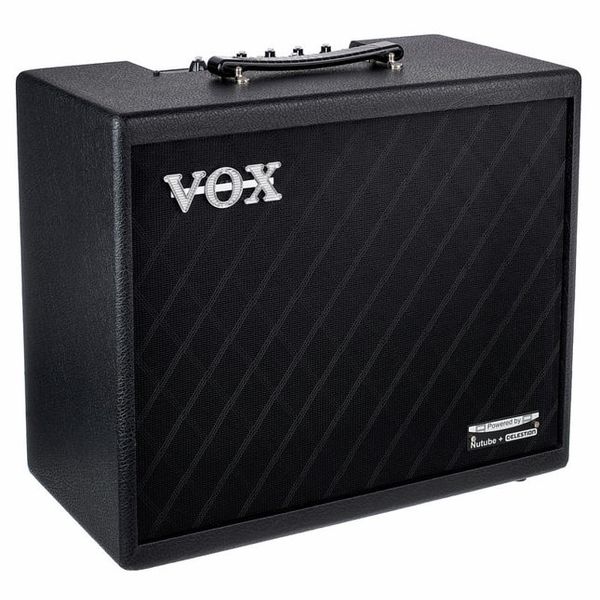
So what makes the Cambridge50 so good? It’s the Nutube, honestly. Everything else – the amp models, the effects, the USB interface – is solid but fairly standard for this class. The real tube in the signal path is what separates it from a sea of otherwise similar modelling combos.
If you want a genuinely flexible, hybrid-tube modelling amp that doubles as a recording interface and practices quietly at 1am without sacrificing feel, this is one of the smarter picks in its price bracket. IMO it deserves way more attention than it gets.