Watch It First
Yamaha has been quietly making some of the best-value basses on the planet for about fifty years, and the world mostly keeps forgetting. The Yamaha BB734A is the reminder nobody asked for but everyone needs.
It’s a modern take on the classic BB (Broad Bass) line – the same family that’s been under the fingers of pros like Nathan East and Billy Sheehan for decades. Except this one lands at a price that won’t require a second mortgage.
Is it just another PJ bass in a crowded field, or does Yamaha’s heritage actually buy you something real? I went through the specs, a pile of demos and every owner review I could find. Here’s the honest take.
Built Like Yamaha Means It
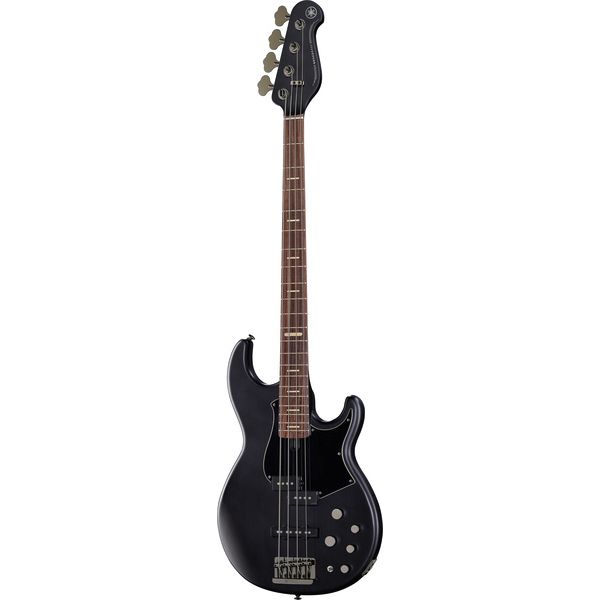
The BB734A is not a parts-bin bass. You get a 3-piece alder/maple/alder body paired with a 5-piece maple and mahogany neck, and that laminated construction is there for stiffness and consistency, not just looks. It keeps the neck stable across seasons and gives the whole thing a tight, focused response.
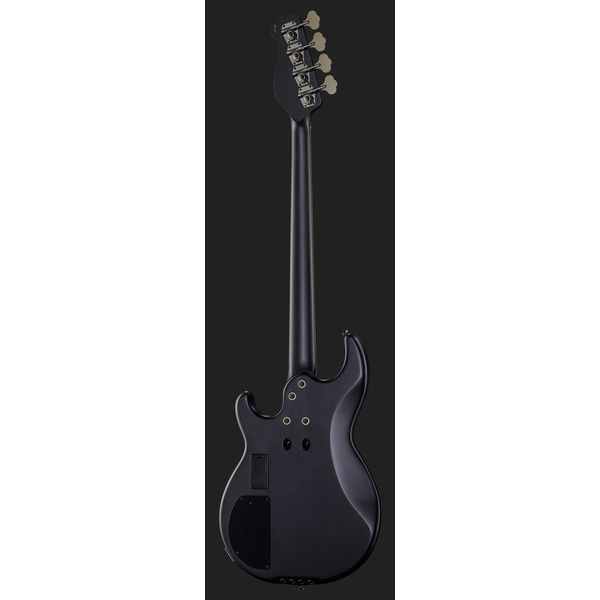
The headline trick is Yamaha’s diagonal string-through body, where the strings anchor through the body at a 45-degree angle. It sounds like marketing, but owners consistently report noticeably longer sustain and a punchier attack than a comparable Fender-style P-Bass. If you’re coming up from a starter instrument – the sort I cover in my best first bass guitars guide – the jump in build quality is immediately obvious.
That PJ Setup Does Everything
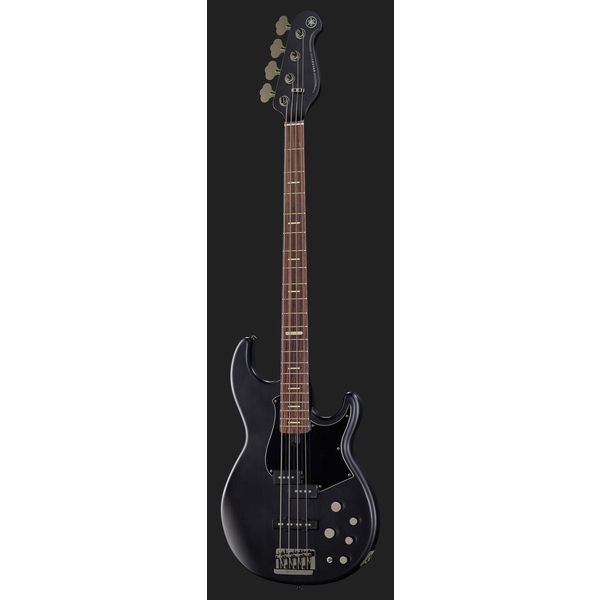
Pickup-wise it’s the tried-and-true PJ configuration: a split-coil P pickup at the neck for that thick, mid-forward thump, and a single-coil J at the bridge for bite and growl. Blend them and you can chase almost any tone in the book. Add the active/passive switch and 3-band EQ and you’ve got a bass that adapts to the room instead of fighting it.
Passive mode is genuinely usable here – flick the switch and you get a warm, organic voice that plenty of owners actually prefer for recording. Kick it into active and the onboard bass, middle and treble controls let you carve out space in a dense mix on the fly. For slap players especially, that flexibility is gold, and it holds its own against the dedicated slap machines in my best bass guitars for slap roundup.
How It Plays
The neck profile sits somewhere between a Jazz and a Precision – not too chunky, not too skinny – and it’s a profile owners rave about. One reviewer with a rack of American Fenders and a Music Man StingRay said this is now the only bass he reaches for. That’s high praise from someone who clearly didn’t need another bass.
Little details show Yamaha was paying attention. The string retainer presses the A string down too, killing the open-string buzz that plagues a lot of Fender-style headstocks. It also ships with a gig bag, which is a nice touch at this price. The vibe reminds me of the friendly, no-nonsense playability I liked on the Harley Benton Beatbass – only built to a considerably higher standard.
The Honest Niggles
It’s not flawless. The single-coil J pickup isn’t noiseless, so you’ll get a faint hum when it’s soloed and you’re not playing along to anything – subtle, but there. A few owners also mention the matte finish ages unevenly, picking up whitish marks over time, and suggest the darker Dark Coffee Sunburst hides wear better than the black. Neither is a dealbreaker, but you deserve to know before you buy.
The Specs That Matter
- Body: 3-piece alder/maple/alder
- Neck: 5-piece maple/mahogany, bolt-on
- Fretboard: Rosewood, 21 medium frets
- Scale: 34″ long scale
- Pickups: PJ – split-coil P (neck) + bar single-coil J (bridge)
- Electronics: Active/passive switch, active 3-band EQ, volume + balance
- Extras: Diagonal string-through body, chrome hardware, gig bag included
Who Should Buy It?
This is the bass for the player who’s done buying entry-level and wants one instrument that covers every gig. It sits a clear rung above a starter like the Squier Sonic Precision Bass, and it goes toe-to-toe with the darling of the value world – the Sire Marcus Miller family I broke down in are Sire Marcus Miller basses good.
Where the Yamaha edges ahead for a lot of people is that indefinable rightness. It doesn’t have a signature gimmick; it just does everything well and gets out of your way. That’s a rarer quality than it sounds, and it’s exactly why the BB line has survived for half a century.
A Word on the BB Legacy
It’s worth remembering what the BB badge actually stands for. Yamaha launched the Broad Bass line back in 1977, and it quickly became a studio and touring workhorse because it did the unglamorous job of sounding great and never letting anyone down. Nathan East, Billy Sheehan, John Patitucci – serious players have leaned on BB basses for decades, and that’s not an accident of marketing.
What that heritage buys you today is a design that’s been refined rather than reinvented. The BB734A isn’t chasing a trend; it’s the latest evolution of a bass that already worked. That’s why it feels so settled in the hand and so predictable in a mix – every design decision has forty-odd years of road-testing behind it. In a market full of flashy newcomers, there’s a lot to be said for a bass that simply knows exactly what it is.
Verdict
The Yamaha BB734A is one of the smartest buys in its bracket, full stop. Serious construction, a genuinely versatile PJ voice, a comfortable neck and thoughtful touches like the string-through body and included gig bag add up to a bass that punches well above its money.
The unshielded J hum and the fussy finish are the only real gripes, and both are easy to live with. If you want a do-it-all bass with real pedigree and none of the boutique markup, Yamaha has quietly built it for you again. Don’t sleep on it just because the headstock isn’t trendy.