Watch It First
The Beatles used one. So did Brian May, The Edge, and about half of every jangly British band since 1960.
The Vox AC30 has been chiming away for over six decades, and the current AC30 C2 is the modern continuation of that exact sound – not a reissue gimmick, just the amp doing what it’s always done.
I wanted to figure out what actually makes it special versus just being famous. Turns out it’s both.
The Chime, Explained
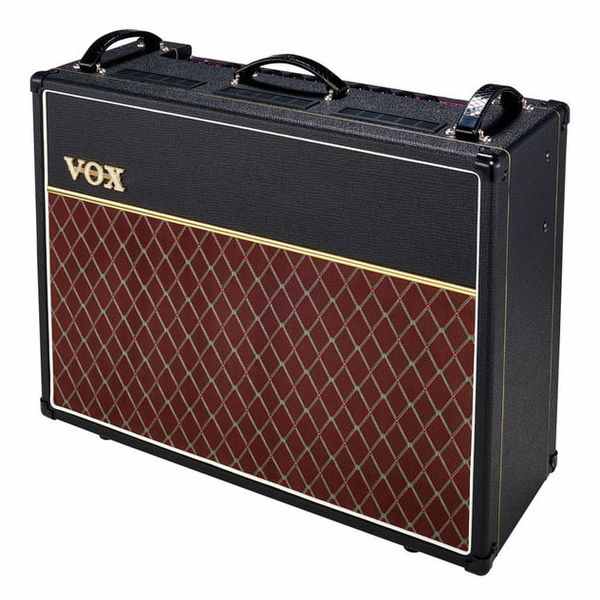
Two 12″ Celestion Greenback speakers, four EL84 power tubes, and three 12AX7 preamp tubes combine into that unmistakable Vox „chime” – shimmery top end, bouncy midrange, and a compression that feels almost musical when you dig in.
It’s the reason genres built on sparkle and jangle – think the guitars covered in our shoegaze and ambient guitars guide – lean on this amp so heavily. Nothing else quite does the shimmer the same way.
Two channels: Normal and Top Boost. Normal is glassy and clean with tons of headroom. Top Boost adds its own two-band EQ and is where the actual magic happens – push it and you get that singing, slightly gritty breakup that’s all over classic rock records.
Worth noting: the Top Boost circuit is technically a later addition to the AC30 lineage, added because players kept asking for more headroom and a brighter voicing than the original Normal channel offered on its own. It’s been standard ever since, and it’s genuinely the channel most people plug into first.
Built-In Reverb and Tremolo
Spring reverb and tremolo come standard, both genuinely usable rather than tacked-on afterthoughts.
The reverb has real spring character – drippy, a bit surfy if you push it, tasteful if you don’t. Tremolo speed and depth controls give you everything from a subtle pulse to a full-on wobble. Both are footswitchable if you grab the optional pedal.
Build Quality
At 32.2kg, this thing is genuinely heavy – owner reviews consistently mention needing two people to move it comfortably, and that tracks.
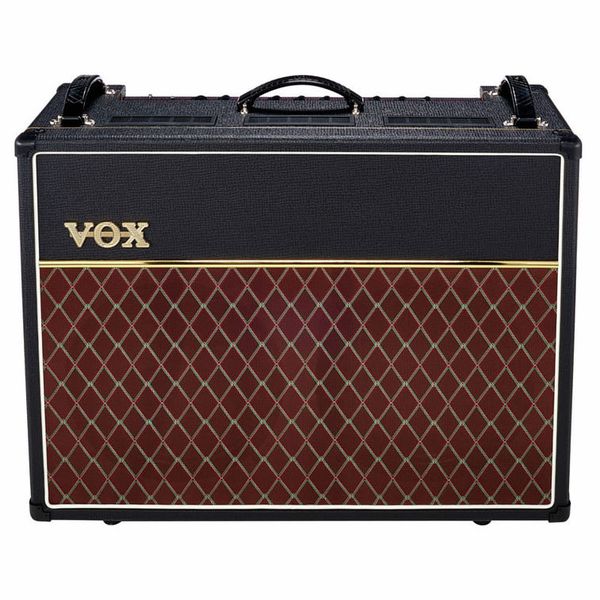
What you get for the weight is a proper wood cabinet, real Celestion speakers, and the classic diamond grille look that’s basically instantly recognizable to anyone who’s ever picked up a guitar. It looks and feels like the heirloom-quality amp it’s meant to be.
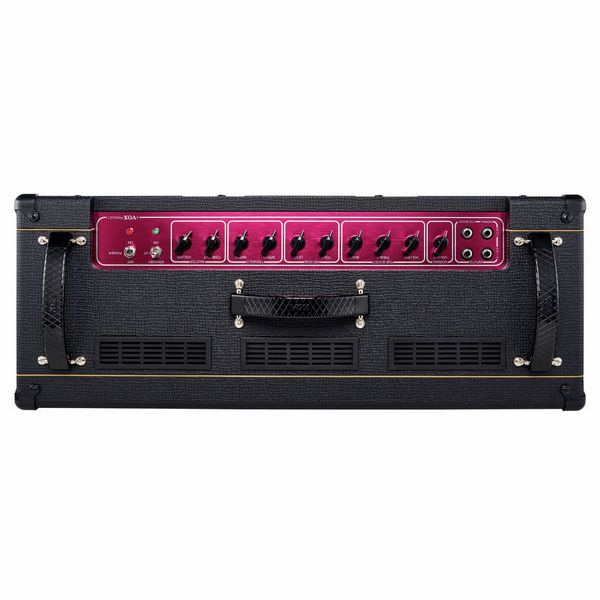
Controls are simple – almost deceptively so – but everything feels solid under the hand, no wobbly pots or cheap-feeling switches anywhere on the panel.
Who’s This Actually For
Indie, jangle-pop, classic rock, blues, and honestly anyone who wants their clean tone to actually sound like something instead of just being „not distorted.” Check our indie rock amps roundup for how it stacks against other picks in that lane.
It’s not really a metal or high-gain amp – if that’s your genre, our tube amps for metal guide is a better starting point. The AC30 wants pedals for serious gain, not its own preamp doing all the work.
It’s also genuinely loud. Owner reviews consistently flag it as too loud for comfortable bedroom use even at low settings, so factor that into your buying decision if home practice is the main use case.
Session and studio players value it too – a huge amount of recorded clean and edge-of-breakup guitar tone across pop, rock, and indie records over the decades traces back to some flavor of this exact circuit, whether the players even knew the model name or not.
Playability and Usability
Master Volume gives you some control over overall loudness without changing the tonal balance too drastically, which helps a bit with the „too loud” problem, though it’s still a genuinely powerful 30 watts of EL84.
Serial FX loop means external pedals – especially time-based ones like delay and reverb – sit cleanly in the signal chain rather than getting squashed by the preamp.
Two extension speaker outputs on the back (8 or 16 ohm) let you add an external cab if you want more air moving, and the Tone Cut control on the power section is a nice extra shaping tool most amps this classic don’t bother including.
Being Honest About The Cons
- 32.2kg is a lot of amp to lug around – budget for help moving it or a proper amp trolley.
- Genuinely too loud for late-night bedroom practice, even with the Master Volume rolled back.
- No footswitch included despite having jacks for one – separate purchase required for reverb/tremolo switching on the fly.
- Not much native gain on tap – pedal players will need to bring their own dirt.
- No headphone output or recording out, so silent practice or direct recording needs external gear.
How It Stacks Up
Against a Marshall combo of similar spec, the Vox is brighter and more scooped in the mids – Marshall pushes forward, Vox shimmers upward. Neither is objectively better, just different tools. Our Marshall amps roundup is worth a look if you want the direct comparison.
Pedal players wanting to push the front end harder should check our guide to overdrives built for Vox amps specifically – this amp responds beautifully to the right pedal in front of it.
And if budget’s tighter than the C2’s price allows, our piece on whether Bugera amps are actually good covers the cheaper end of British-voiced tube amps for comparison.
Specs At A Glance
- Power: 30W RMS
- Speakers: 2x 12″ Celestion G12M Greenback
- Channels: 2 (Normal, Top Boost)
- Preamp tubes: 3x 12AX7 (ECC83)
- Power tubes: 4x EL84
- Controls: Normal Volume, Top Boost Volume, Treble, Bass, Reverb Tone/Level, Tremolo Speed/Depth, Tone Cut, Master Volume
- Built-in effects: Spring reverb, Tremolo
- FX loop: Yes (serial send/return)
- Speaker outs: 2x extension jacks (8Ω/16Ω)
- Footswitch: optional, sold separately
- Dimensions: 702 x 265 x 556 mm
- Weight: 32.2 kg
Final Verdict
The AC30 C2 earns its legendary status honestly. That chime isn’t marketing – it’s a real, physical thing this amp does that basically nothing else replicates convincingly.
It’s heavy, it’s loud, and it doesn’t do high-gain on its own. But for clean-to-crunch tones with genuine character, built-in reverb and tremolo that actually sound good, and a reputation earned across sixty-plus years of recorded music, it’s hard to argue with.
If your sound lives in the jangly-to-crunchy zone rather than metal territory, this is about as close to a definitive answer as gear gets.