Watch It First
Some basses are famous for what they are. The Squier Sonic Bronco is famous for what it can become. It’s one of the cheapest short-scale basses Fender’s budget arm makes, and it’s quietly become the internet’s favourite modding platform and starter bass all at once.
It’s tiny, it’s featherweight, and it costs about the same as a decent set of pedals. But don’t write it off as a toy – there’s a genuinely good little instrument hiding under that budget price tag.
So is the Sonic Bronco worth your money, whether you’re a total beginner or a serial tinkerer? I went through the specs, the demos and a stack of owner reviews. Here’s the honest take.
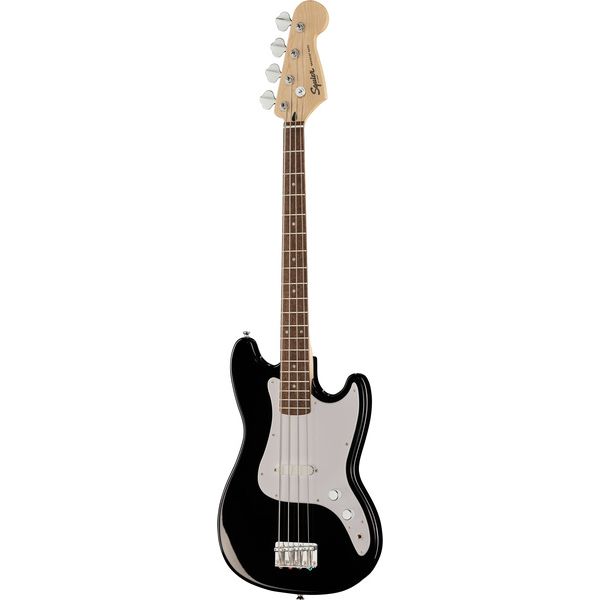
Small, Light and Easy to Play
The headline is the 30-inch short scale. That shorter neck means less of a stretch between frets, lower string tension, and an instrument that’s genuinely comfortable for kids, smaller hands, and guitarists crossing over to bass. More than one older player has said this is the bass that let their creaking fingers keep going.
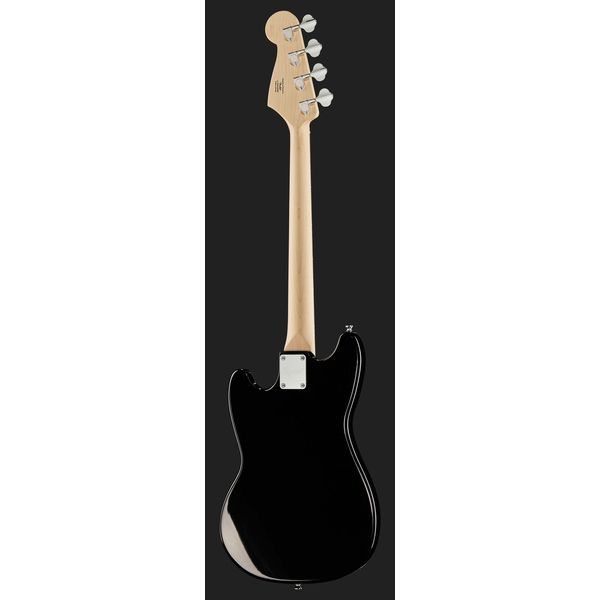
The build is better than the price suggests. A poplar body, bolt-on maple neck and laurel fretboard with 19 narrow-tall frets gives you a proper Fender-family feel, and owners consistently praise the fret finish and out-of-the-box playability. If you’re figuring out where to begin, it slots neatly into the conversation in my best first bass guitars guide.
How It Sounds
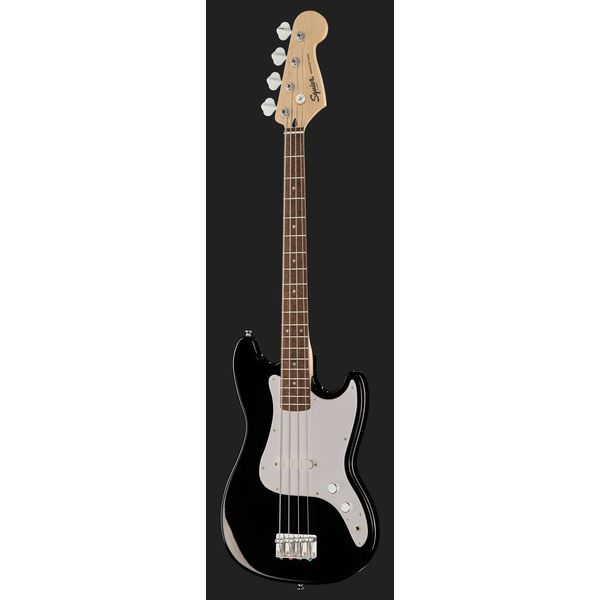
Here’s where the Bronco does its own thing. Instead of a P or J pickup, it runs a single ceramic single-coil in the middle, with simple master volume and tone controls. That gives it a bright, slightly gnarly, characterful voice that’s become a secret weapon for indie, dream-pop and post-punk players. It won’t do a deep, polished modern slap tone, but that’s not what it’s for – for that you’d look at the instruments in my best bass guitars for slap roundup.
Plugged into a decent amp, the stock sound is genuinely usable, and it records surprisingly well. It’s got attitude and jangle rather than hi-fi polish, and for a certain kind of music that’s exactly the point.
The Modding Platform Everyone Loves
This is the Bronco’s secret superpower. Because it uses a simple Strat-style single-coil and the body is already routed generously, it’s one of the easiest, cheapest basses to upgrade. Owners swap the pickup for a P-style unit for a fuller sound, and the pickup cavity is big enough to drop in a humbucker with just a pickguard tweak.
You can transform this bass in stages as your budget allows – a new pickup, then better tuners, then a bridge – and end up with something that plays and sounds far above its price. It’s the perfect learn-to-set-up-your-own-bass instrument, and the low entry cost means you won’t cry if you make a mistake. For more cheap-and-cheerful starting points, my budget beginner guide is worth a browse.
The Honest Niggles
It’s not perfect, and the compromises are exactly where you’d expect. The tuners and bridge feel cheap – they work, but they’re the first things most owners upgrade, and a couple noted the stock tuner posts can make string changes fiddly. The single-coil is also noisier than a humbucker and won’t suit everyone’s taste. And this is a character bass, not a do-everything workhorse. Know what you’re buying and none of that will bother you.
The Specs That Matter
- Scale: 30″ (762 mm) short scale
- Body: Poplar
- Neck: Bolt-on maple, laurel fretboard, 19 frets
- Pickup: Single ceramic single-coil, passive
- Controls: Master volume + master tone
- Nut: 38.1 mm, synthetic bone
- Hardware: 4-saddle bridge, die-cast tuners, chrome
Who Should Buy It?
Three groups. Beginners and younger players who want a cheap, comfortable, genuinely playable first bass. Guitarists who need a short-scale bass for home recording without spending much. And tinkerers who want a blank canvas to mod – this is arguably the best cheap platform going. It sits right alongside a Harley Benton Beatbass or a Squier Sonic Precision Bass as a smart budget starting point, just with a bit more indie character.
What you shouldn’t buy it for is a finished, gig-ready workhorse straight out of the box. It’s a starting point, not a destination – but as starting points go, it’s a cracker.
A Short History of a Cult Classic
The Bronco name goes back to the late 1960s, when Fender built a short, simple student bass aimed at beginners. Over the decades it developed an unlikely cult following – players like Tina Weymouth of Talking Heads leaned on Bronco-style short-scales, and the format became forever linked with arty, new-wave and post-punk tones. The modern Squier Sonic version keeps that spirit alive at a price the original could only dream of.
That heritage is a big part of why the Sonic Bronco resonates with indie players today. It doesn’t try to be a polished modern powerhouse; it leans into being small, bright and full of character, exactly like the basses that shaped a generation of alternative records. Pair it with a bit of overdrive or a fuzz pedal and you’re instantly in that jangly, driving territory that a fat modern bass simply can’t reach. For a lot of players, that specific flavour is worth far more than raw versatility – and getting it for pocket money is close to a miracle. It’s proof that budget gear can have genuine soul, not just a low sticker price.
Verdict
The Squier Sonic Bronco is a tiny, cheap, characterful bass that massively overdelivers on its price – whether you play it stock or treat it as the mod platform it’s famous for being. Light, comfortable and genuinely fun, it’s a brilliant first bass and an even better tinkerer’s toy.
The budget tuners and bridge are the obvious weak points, and the single-coil voice won’t suit everyone. But at this money, expecting more would be greedy. If you want an easy, affordable way into bass – or a blank canvas to make your own – the Sonic Bronco is very hard to beat.