Watch It First
Orange’s TremLord 30 used to be the go-to pick if you wanted vintage tremolo and spring reverb baked into one combo. It’s gone now, quietly dropped from the lineup.
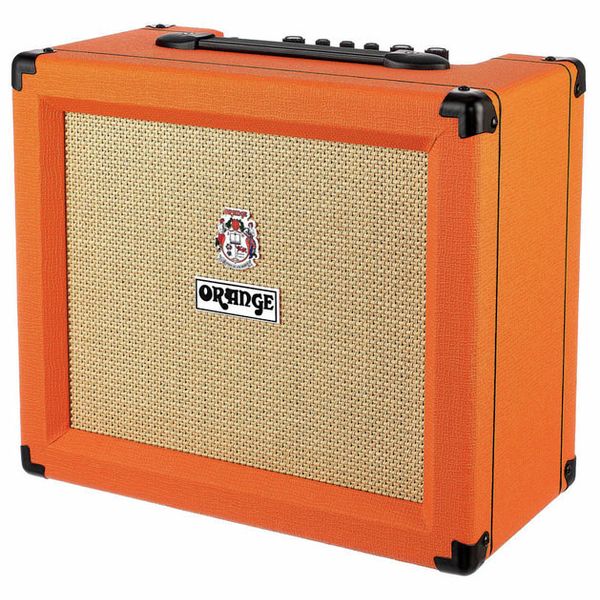
What’s still sitting on shelves is the Crush 35RT, and while it’s a completely different amp under the hood, it’s the closest current Orange combo in this price bracket and use case.
I want to be upfront about that swap before we go any further, because it matters for what you’re actually buying here.
Let’s Address the Elephant First: No Tremolo
The TremLord’s whole personality was built around a genuine tube-driven tremolo circuit and a proper spring reverb tank. The Crush 35RT doesn’t have either of those things in the vintage sense.
What it has instead is a digital reverb and a solid-state power section. If you specifically bought the TremLord for that wobbly, surf-rock warble, this amp won’t scratch that itch on its own, and you’ll want a dedicated tremolo pedal to get there.
So why review it as the replacement? Because everything else about the Crush 35RT lines up with what most people actually bought a TremLord for: a compact, self-contained, orange-badged combo for home practice and small gigs that doesn’t cost a fortune.
What You Actually Get
35 watts through a 10-inch speaker, with separate Clean and Dirty channels you flip between with a footswitch (sold separately, annoyingly). A proper 3-band EQ sits on the Dirty side, so you can actually shape the gain instead of just cranking a single tone knob.
There’s a built-in tuner, a headphone output with cab simulation for silent practice or recording, an aux input for jamming with your phone, and a proper series effects loop on the back for pedal folks who want delay or modulation after the gain stage.
How It Actually Sounds
Here’s the surprising part. Despite being solid-state, this thing sounds unmistakably like Orange. Full, warm, and a bit mid-forward, which is exactly the house sound the brand is known for on its big valve stacks too.
The Clean channel stays glassy and dynamic even with pedals stacked in front of it, which matters if you run overdrives or fuzz into your amp rather than relying on a gain channel. The Dirty channel goes from light crunch to properly scooped, saturated rock tones without ever feeling harsh or fizzy, a trap a lot of solid-state amps fall into at this price.
If you want to hear what the brand’s actual tube amps sound like at bigger volumes, our best Orange amps roundup covers the rest of the lineup, and our best amps for indie rock list has a few other combos in a similar tonal neighborhood.
The Honest Cons
- No real tremolo or spring reverb, as already covered. Digital hall reverb only.
- Footswitch not included for channel switching, which feels stingy at this level.
- Low-end can feel a touch thin through the stock 10-inch speaker, something several long-term owners mention too.
- Built-in tuner is functional but not super precise, so keep a proper clip-on tuner in your bag regardless.
None of these are dealbreakers, but they’re worth knowing before you click buy.
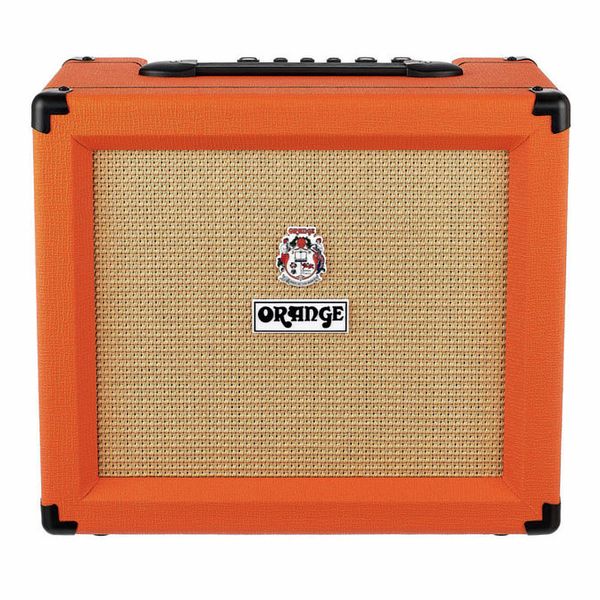
Build quality itself is solid. The cabinet is proper ply, not particle board dressed up to look tough, and the orange grille cloth and basketweave-style covering (Orange’s classic look, minus the actual basketweave) survive knocks well. At 11.5kg it’s still a one-hand carry for most people, just not quite as feather-light as the smaller Crush models.
Practice Room, Rehearsal, or Small Gig?
All three, honestly. 35 watts of solid-state headroom goes further than you’d expect, and the cab-simulated headphone out means you can record directly into a laptop without a mic in the room.
If your band rehearses somewhere without a PA, this will keep up with a drummer at a reasonable volume, though if you’re chasing a fully valve rig for gigging regularly, something like the amp in our Marshall MG10 review or the setup we cover in the Harley Benton Tube 15 Celestion review might suit that specific goal better.
And if you do miss that wobbly vintage tremolo sound the TremLord used to give you, a cheap tremolo pedal in the effects loop gets you most of the way there. Our best pedals for grunge roundup has a couple of modulation options that pair nicely with this amp’s clean channel.
Who Should Buy This
Anyone who wants an Orange combo without spending Orange-tube-amp money. It’s a genuinely versatile, gig-capable practice amp that happens to wear the right color, even if it’s missing the specific vintage trick the TremLord used to do.
If you’re set on real valve tone and don’t mind the extra cost, our best amps for distortion & overdrive roundup has plenty of tube alternatives worth cross-shopping against this one.
Beginners tend to love it because it forgives mistakes and still sounds decent through a phone camera, which matters more than gearheads like to admit. Gigging players tend to keep it around as a reliable backup or a stereo-rig companion, running it alongside a bigger valve head rather than instead of one.
Specs at a Glance
- Power: 35W solid-state into a 10″ speaker
- Two channels: Clean and Dirty, footswitchable
- 3-band EQ on the Dirty channel
- Digital reverb and built-in chromatic tuner
- Aux input, headphone output with cab simulation
- Series effects loop on the rear panel
- Weight: around 11.5kg
Final Verdict
Judged on its own terms, not as a TremLord clone, the Crush 35RT is a genuinely solid, versatile little combo that punches above its price. It’s just not the amp to buy if tremolo was the whole reason you wanted a TremLord in the first place.
For everyone else who just wants a reliable, good-sounding Orange combo for home and small stages, this is an easy one to recommend, IMO. It won’t win any nostalgia points, but it’ll get played way more often than a discontinued amp you can’t even buy new anymore.