Watch It First
Every bassist has a first bass story, and for a huge number of people that story starts with an Ibanez GSR200. It’s been quietly doing this job for over two decades now.
Gio is Ibanez’s budget sub-line, and the GSR200 sits right at the entry point of it. Cheap doesn’t mean careless here though, it’s one of those rare budget instruments that actually gets recommended by people who know better.
I put real hours into the black gloss version for this review. Here’s what makes it tick, and where the corners were cut.
Build and Materials
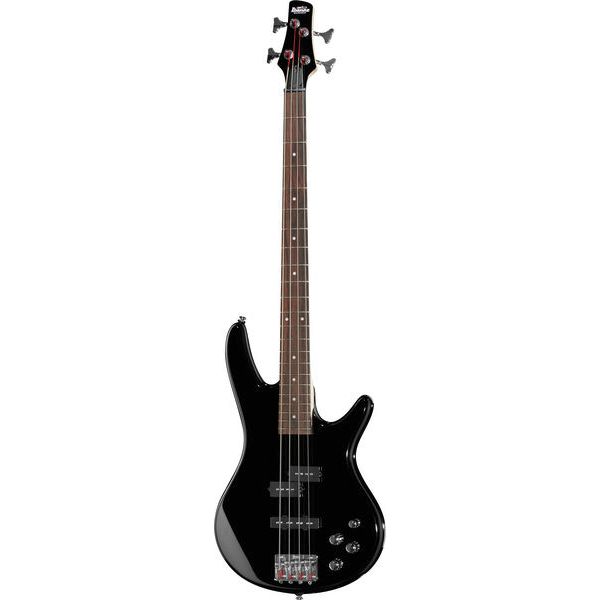
Poplar body, maple bolt-on neck, jatoba fingerboard, 22 frets on a long scale. Nothing exotic, and that’s exactly the point, this is a bass built to hit a price, not to show off tonewoods. Poplar is a common budget-bass choice because it’s light, easy to work with, and doesn’t dramatically color the tone one way or the other.
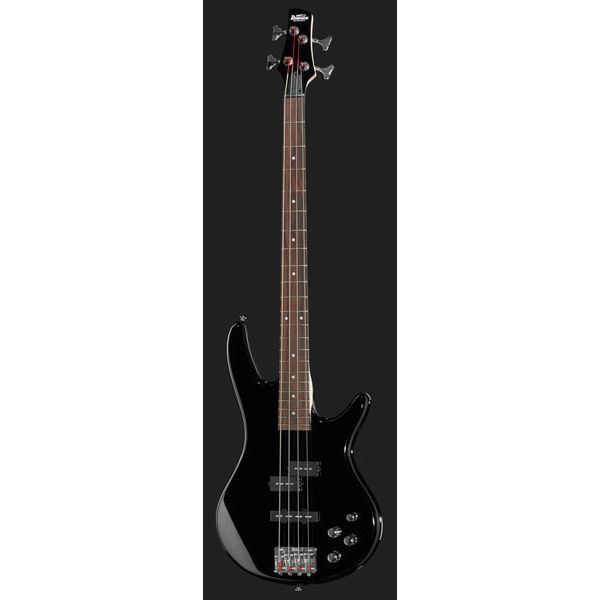
The headstock matches the body finish, a small detail that a lot of budget basses skip, and it gives the whole thing a more finished, intentional look rather than a mismatched parts-bin feel.
Pickups and Electronics
One J-style single coil and one P-style single coil, run through active electronics, chrome hardware throughout. That P/J pickup combo is a classic layout for a reason, it gives you punchy low-mid growl from the P-style pickup and clearer top-end definition from the J-style one, and you can blend between them.
Playability and Feel
The maple neck is slim and fast, genuinely comfortable for a beginner still building hand strength, and the long scale gives proper string tension without feeling stiff. It’s a lightweight bass overall too, which matters a lot for younger or smaller players who might struggle with heavier instruments during long practice sessions.
Fret work at this price point is inconsistent across units, that’s just the reality of budget mass production, but most examples play cleanly enough out of the box that a beginner won’t notice or care.
Tone and Sound
The active electronics add more punch and clarity than you’d expect from a bass at this price, it doesn’t sound thin or hollow the way a lot of ultra-budget basses do. Roll in some low end and it thumps convincingly for rock or pop, back it off and you get a decent stab at a more articulate, fingerstyle-friendly tone.
It’s not going to compete with a genuinely premium bass like the Ibanez SR300E in terms of nuance and dynamic response, but for a true entry-level instrument it’s honestly one of the better-sounding options out there.
Who It’s For
This is a first-bass, tight-budget instrument, plain and simple. Parents buying for a kid who just started lessons, adults trying bass for the first time without wanting to commit serious money, or anyone who just needs a reliable backup bass for practice or a rehearsal space. It’s not a gigging instrument for someone who’s serious about tone, but it’s a genuinely great way to find out if bass is for you.
Honest Niggles
Let’s not oversell a budget bass.
- Quality control varies unit to unit, since it’s mass-produced at a low price point, so a setup check is worth doing after purchase.
- No gigbag included, factor that into your budget.
- Stock strings and hardware are budget-grade, expect to upgrade tuners or strings eventually if you keep it long-term.
- It requires a 9V battery for the active electronics, which is one more thing to remember before a gig or practice session.
How It Compares
Against something like the Squier Affinity P Bass PJ, the GSR200 leans a bit more modern in feel thanks to the slimmer Ibanez neck profile, while the Squier leans more toward classic P-Bass thump. If you want something even more stripped-down and budget-friendly to start, the Squier Sonic Bronco Bass is worth a look too, though its short scale changes the feel significantly.
Whatever bass you land on at this level, don’t skimp on the amp side. Pairing it with a real practice amp like the Fender Rumble 40 makes a much bigger difference to how good you sound than upgrading the bass itself would at this stage.
Key Specs
- Body: Poplar
- Neck: Maple, bolt-on
- Fingerboard: Jatoba, 22 frets
- Scale: Long scale (34″)
- Pickups: 1x J-style, 1x P-style single coil
- Electronics: Active
- Hardware: Chrome
- Finish: Black high gloss
Final Verdict
The Ibanez GSR200 has stuck around this long because it just works. It’s not glamorous, it’s not going to impress anyone at a gig, but as a first bass or a no-stress backup, it does the job better than its price tag suggests it should.
What I’d Upgrade First
If you end up keeping this bass past the first year, a couple of cheap swaps make a real difference. New strings top the list, factory strings on budget instruments are usually the first thing to go dull, and a fresh set of roundwounds wakes the whole instrument up noticeably.
After that, look at the tuners if you’re fighting tuning stability, and consider a proper setup at a local shop if the action feels higher than you’d like. None of these are expensive fixes, and together they can make a budget bass like this feel genuinely close to something twice the price. It’s a much better use of money than jumping straight to a whole new instrument.
One more thing worth mentioning: resale value on these is decent precisely because so many players know the name and trust it. If you do eventually move up to a pricier bass, this one won’t be hard to sell on to the next beginner, which is one more reason it’s a low-risk way to start.
If you’re brand new to bass and don’t want to gamble real money before you know if you’ll stick with it, this is a genuinely safe, sensible starting point. Can’t really go wrong here.