Watch It First
Is the Harley Benton B-450 Worth It? For anyone starting out on bass who wants active electronics without an active-electronics price tag, yeah, honestly.
This one’s been a quiet workhorse in Harley Benton’s lineup for over a decade now. Not flashy, not viral, just consistently decent.
Two humbuckers, active preamp with a passive bypass, 24 frets. On paper it reads like a much pricier bass. Let’s see if reality matches the spec sheet.
Build and Materials
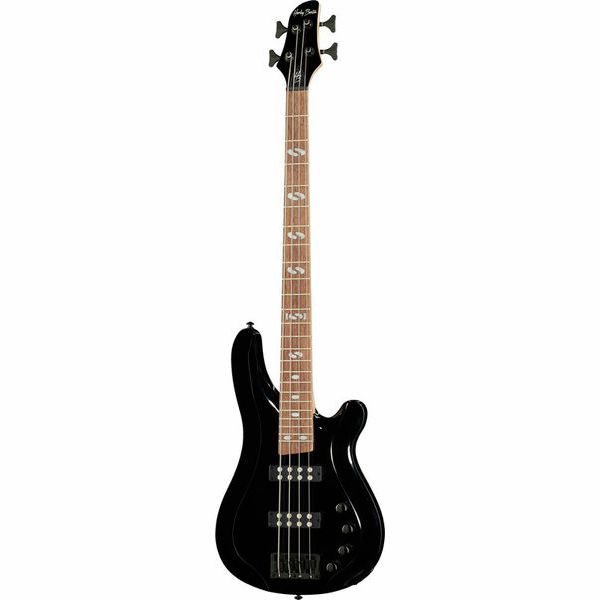
Alder body, bolt-on Canadian maple neck, jatoba fretboard with tai-chi (dot) inlays. Standard budget-bass recipe, executed competently.
24 frets is generous at this price point – a lot of budget basses stop at 20 or 21, so if you like reaching for high-register lead lines, this gives you more room to work with.
Hardware
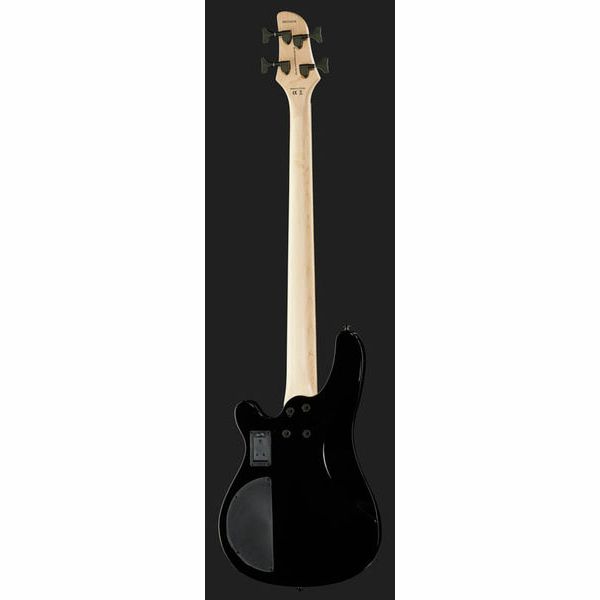
Black hardware throughout, diecast tuners, a double-action truss rod. Nothing fancy, but nothing that feels cut-rate either.
- 864mm long scale, 24 frets
- 42mm nut width, 350mm fretboard radius
- Modern D-profile neck
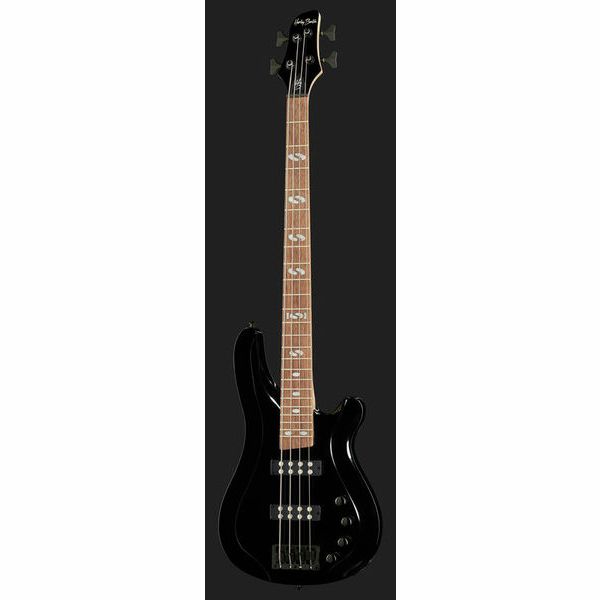
Fit and finish on the gloss black model is genuinely sharp – it photographs like a much more expensive instrument, similar to how the Harley Benton MB-4 punches above its price bracket in the looks department.
Playability and Feel
The modern D neck profile is comfortable for most hand sizes, not too chunky, not razor thin. It’s an easy bass to adapt to regardless of what you played before.
24 frets means the upper register is genuinely accessible without your hand cramping into the body join – a real plus if you play a lot of lead bass lines or solos.
Balance is solid on a strap, no neck dive issues reported, and the overall ergonomics feel considered rather than accidental.
Tone and Sound
Here’s the feature that actually matters: this is an active bass with a passive bypass via push/pull pot. Flip it to passive and the battery becomes irrelevant to your tone – it just rolls off the active boost.
In active mode, the 2-band EQ (bass and treble) plus balance control between the two humbuckers gives you real tonal range – from scooped and modern to warm and vintage without switching instruments.
The humbuckers themselves are fairly hot, well suited to rock, metal, and anything requiring output and punch rather than subtlety. It’s not going to nail a vintage P-Bass thump, but that’s not really its lane.
If you liked the tonal flexibility talked about on the Epiphone Jack Casady Bass review, this is a completely different, more modern-voiced approach to versatility – EQ knobs instead of vintage pickup character.
Who Is This For
Beginners who want to grow into a more capable instrument without immediately needing an upgrade are the sweet spot here. The active EQ gives you room to experiment as your ear develops.
It also works fine as a practical backup or rehearsal bass for gigging players, especially anyone who wants passive mode as an emergency fallback if a battery dies mid-set.
Honest Niggles
Quality control is genuinely hit or miss on this model – some owner reviews mention sharp edges on the bridge saddle screws, or setup issues straight out of the box requiring a shim or truss rod adjustment before it’s really playable.
That’s a real gripe, not a nitpick. Budget for the possibility that you’ll need a basic setup pass when it arrives, and inspect the hardware edges before you start gigging it hard.
The stock strings are also unremarkable, as is typical at this price. A fresh set of roundwounds is a cheap, worthwhile upgrade.
And remember to actually pull the battery out when you’re not playing for extended periods – active electronics will drain a 9V even when the bass is just sitting in its stand.
Specs at a Glance
- Body: Alder
- Neck: Bolt-on Canadian maple, modern D-profile
- Fretboard: Jatoba, 350mm radius
- Scale: 864mm (long scale)
- Frets: 24
- Nut width: 42mm
- Pickups: 2x Humbucker
- Electronics: Active preamp with passive bypass (push/pull)
- Controls: Balance, Bass, Treble, Volume
- Finish: Gloss black (also available in white)
How It Compares
Against the MB-4 in Harley Benton’s own lineup, the B-450 trades that StingRay-style single-humbucker punch for more tonal range via active EQ and dual pickups – different tools for different jobs.
Against a similarly priced active bass from another brand, the B-450’s main advantage is that passive bypass switch – not every budget active bass gives you that safety net, and it’s genuinely useful.
If you want something with more vintage pedigree and character rather than modern flexibility, it’s worth a look at the Sire Marcus Miller P5 instead – a completely different design philosophy at a broadly similar tier.
Long-Term Ownership
Owners who’ve kept theirs for years report the electronics holding up fine, provided you’re diligent about pulling the battery. The main upgrade path people take is a proper setup and maybe a pickup swap if they outgrow the stock tone.
It’s not an instrument that ages badly – the fundamentals (neck stability, hardware) hold up, so any complaints tend to be QC-related rather than design-related.
Setup Out of the Box
Given the mixed QC reports, it’s worth checking your unit carefully the day it arrives. Run your finger along the bridge saddles, check the action isn’t unreasonably high, and make sure the neck relief looks sane before you gig it.
Most units are fine straight away. A minority need a shim or a truss rod tweak. Knowing that going in means you won’t panic if yours needs a little love first.
Battery Management
One habit worth building immediately: unplug your cable from the input jack whenever the bass isn’t in use. Most active basses use the jack itself as the on/off switch for the preamp, so leaving a cable plugged in overnight quietly drains the 9V even with the bass untouched.
Final Verdict
The Harley Benton B-450 is a genuinely useful, flexible bass for the money, provided you get a good unit and maybe budget a basic setup after it arrives. That QC inconsistency is the one real asterisk on an otherwise strong recommendation.
The 24 frets, the active/passive switching, the reasonably sharp looks – it all adds up to a bass that gives beginners room to grow into rather than something they’ll outgrow in six months.
If you can live with the small chance of needing to tweak it out of the box, this remains one of the smarter budget picks in Harley Benton’s enormous catalog.