Epiphone has been chasing „Gibson, but modernised” for a few years now, and the Prophecy line is where that chase gets serious. Fishman Fluence pickups, a slimmed-down neck, weight relief. On paper it reads like a spec sheet built for players who find a regular Les Paul Junior a bit too vintage for modern rock and metal.
I’ve spent a good stretch with the AJBM (Aged Jet Black Metallic, in case the model code means nothing to you) and it’s a properly weird guitar to review. Half of it feels like a genuine step up. The other half makes me understand why the reviews on Thomann are so split.
Let’s get into it, because there’s a lot going on under that aged black finish.
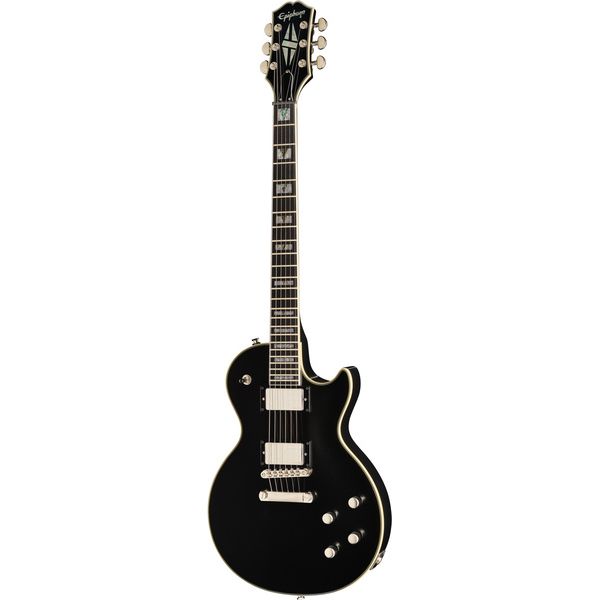
Build and Feel
The body is mahogany with what Epiphone calls Ultra-Modern Weight Relief, basically chambering so the thing doesn’t murder your shoulder after an hour standing up. It works. This is noticeably lighter than a standard Epiphone LP Standard, closer to what you’d expect from a chambered PRS SE.
Neck profile is an asymmetric Slim Taper, and it’s genuinely comfortable. Thinner in the hand than a ’50s or ’60s LP neck, without feeling like a shredder-spec pancake. Access up to the 24th fret is real access too, not just marketing copy, thanks to the neck-to-body join being carved out of the way.
Ebony board, abalone block inlays, GraphTech NuBone nut, locking Grover Rotomatics. Nothing here feels like it was done on the cheap. If you’ve played a PRS SE Paul’s Guitar, the fit and finish is roughly in that neighbourhood, which is a big compliment for an Epiphone.
The bit nobody warns you about
Fret finishing on these is inconsistent. Some units leave the factory beautifully rolled and polished. Others, based on both my unit and a chunk of the customer reviews on Thomann, arrive with sharp fret ends that need a proper fret dress before they’re comfortable to play fast on.
That’s not me being precious. It’s a real, repeated complaint, and it’s worth knowing before you buy rather than after.
Pickups and Electronics
Two Fishman Fluence Prophecy humbuckers, and this is the actual reason to buy this guitar over a cheaper Epiphone Explorer or Les Paul Standard. Active-passive-ish, noiseless, with a huge amount of headroom before anything gets muddy.
- Push/pull volume controls for coil-splitting
- Push/pull tone controls switching between a vintage voice and a modern, higher-output voice
- Four usable sonic personalities from one pickup pair, no soldering required
Vintage voice into a clean amp gets you surprisingly close to a real PAF-style tone. Flip to modern voice with gain up and it’s tight, high-output, and metal-ready without turning to mush on the low strings, which is where a lot of passive humbuckers start falling apart.
Split a coil and you get a genuinely useful single-coil quack, not the thin, weedy version you get from splitting a lot of passive pickups. If you’ve spent time with something like a Cort G290 Modern and liked the flexibility of a HSS layout, this scratches a similar itch from a Les Paul body.
How It Actually Sounds
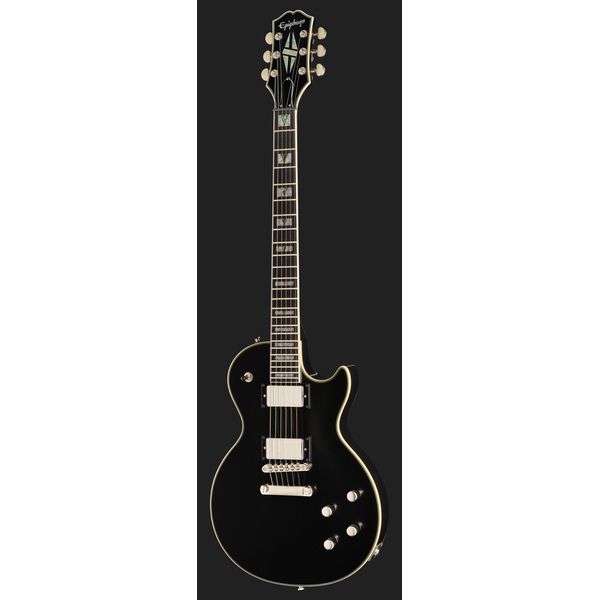
Unplugged, it’s a fairly normal chambered mahogany Les Paul. Plugged in, the Fluence pickups do most of the talking. Rhythm tones in modern voice are tight and articulate, and palm-muted chugs stay defined even with a fair bit of gain stacked on.
Leads are where the asymmetric neck and 24-fret access earn their keep. You can genuinely get up into the highest register without your hand cramping into a claw, which matters more than people give it credit for on a single-cut body.
Clean tones in vintage voice are better than I expected from anything with „Metal” energy in its marketing. Not PRS SE Custom 24 levels of clean sparkle, but close enough that you’re not reaching for a different guitar the moment the distortion pedal comes off.
Specs
- Body: Mahogany with Ultra-Modern Weight Relief, carved maple top
- Neck: Mahogany, asymmetric Slim Taper profile
- Fretboard: Ebony, 24 frets, abalone block inlays
- Scale length: 628 mm (24.72″)
- Nut: GraphTech NuBone, 43 mm width
- Pickups: 2x Fishman Fluence Prophecy humbuckers
- Controls: push/pull coil-split volumes, push/pull vintage/modern tone voicing
- Hardware: LockTone Tune-O-Matic bridge, StopBar tailpiece, Grover Rotomatic locking tuners
- Finish: Aged Jet Black Metallic
- Included: Epiphone Premium Gigbag
Verdict
The Epiphone Prophecy Les Paul is a genuinely clever update of a very old formula, and the Fishman Fluence pickups alone make it worth a look if you play anything heavier than classic rock. The neck is fast, the weight relief is real, and the tonal range from one pickup set is bigger than it has any right to be.
Just budget for the possibility of a fret dress. Quality control on the frets seems to be the one corner that occasionally gets cut, and it’s common enough in owner reviews that I’d rather warn you than pretend it doesn’t happen. If that’s a dealbreaker, guitars like the ESP LTD EC-1000 are worth cross-shopping in the same price bracket.