Watch It First
If you went looking for a Fender American Performer Stratocaster recently and came back empty-handed, you are not going mad. It quietly disappeared.
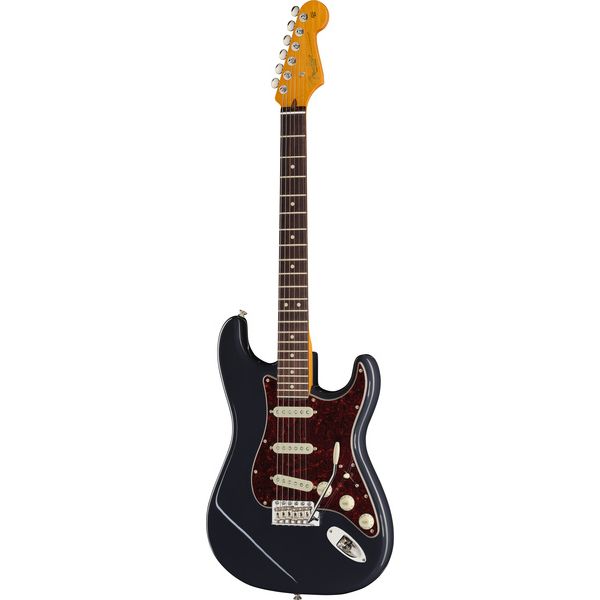
What sits in that slot now is the American Professional Classic Stratocaster — still made in the USA, still the cheapest way into an American-built Strat, but with a much more vintage-leaning brief.
I have had a proper poke at one and I have opinions. Some of them are about the pickguard, which tells you how much there is to complain about here.
So What Actually Changed?
The Performer was Fender trying to build a modern hot-rodded American Strat on a budget. Greasebucket tone circuit, hot Yosemite pickups, that sort of thing.
The Professional Classic goes the other way. It is a USA Strat aimed squarely at players who wanted the vintage recipe without paying Custom Shop money.
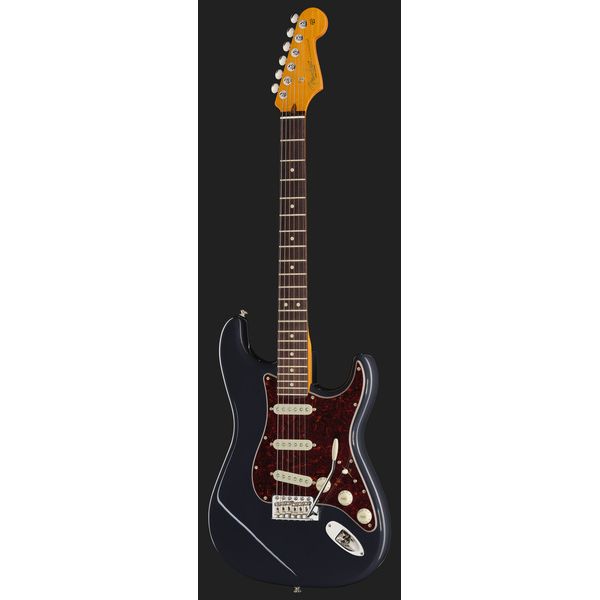
Alder body. Bolt-on maple neck. Rosewood board with white dots. Four-ply tortoiseshell pickguard. Vintage-style six-saddle synchronized tremolo. That is a 1957 shopping list with 2025 quality control.
The Same Trick Fender Pulled With the Basses
This is not a one-off. We covered the American Professional Classic Precision Bass earlier this year and the logic is identical: take the American line, dial the spec back towards vintage, keep the USA build.
If you want the modern-spec version of the same idea, the American Professional II generation is still the reference point.
Coastline 57 Pickups: The Bit That Sells It
The pickups are a new set called Coastline 57 — three single coils, with the middle one reverse-wound and reverse-polarity so positions two and four hum-cancel.
They are not hot. That is the point. Wound in the ballpark of a genuine late-fifties set, so you get that slightly glassy, slightly hollow bell tone that a modern overwound Strat pickup just flattens out.
Bridge pickup on a cranked amp gets properly spiky. Neck pickup rolled back is that liquid, woody thing everyone chases and nobody can describe.
Position Two Is Worth the Whole Guitar
The quack in position two is genuinely lovely, and hum-free, which historically was a choose-one situation.
There are two tone controls in the classic layout, so you have got proper control over the top end — something the Arrow-shaped guitars I have been reviewing lately would not know what to do with.
How It Plays
Neck profile is a Modern C, which is Fender code for comfortable and unremarkable in the best way. Not chunky, not razor thin.
Fingerboard radius is 9.5 inches. Vintage guitars used 7.25 and they choked bends above the 12th fret constantly. 9.5 is the sensible compromise and it works.
Frets are 22 jumbos, so bends are effortless and vibrato needs less effort than the fret size suggests. Nut is 42.8 mm and made of synthetic bone rather than plastic.
The neck finish is satin with a gloss headstock, so your hand does not stick. Small detail, big difference on a sweaty stage.
Hardware: Vintage Where It Matters, Modern Where It Counts
The bridge is a vintage-style six-saddle synchronized trem — bent steel saddles, the lot. It sounds right and it feels right under the hand.
The tuners are the clever bit. Fender fitted ClassicGear staggered tuners, which look period-correct but have a much better gear ratio and a staggered post height that kills the need for a second string tree.
Result: it stays in tune far better than any actual vintage Strat ever did. Which is not a high bar, admittedly.
Where It Sits Against the Cheaper Strats
- Squier Affinity Stratocaster — the entry point. Fine guitar, completely different league of components.
- Squier Classic Vibe 60s — the vintage vibe on a budget, and genuinely good value.
- Fender Player II Stratocaster HSS — the Mexican workhorse, more modern, more versatile.
- We also did a straight Player vs Classic Vibe comparison if you are still deciding at the cheaper end.
The honest gap between the Player II and this one is smaller than the price difference suggests. What you are buying is USA build quality, better fretwork, better pickups and the headstock decal. Whether that is worth it is a personal question.
The Niggles
- The four-ply tortoiseshell pickguard is divisive. On Faded Black it looks great. On some finishes, less so.
- It ships with a deluxe gigbag rather than a hard case, which at this level feels a bit tight.
- Vintage-style saddles mean intonation adjustment is fiddlier than a modern block bridge.
- No coil options, no push-pull, no HSS unless you buy the specific HSS model. This is a purist guitar.
- The finish is thin polyurethane, so it will mark. Some people call that character.
Specs at a Glance
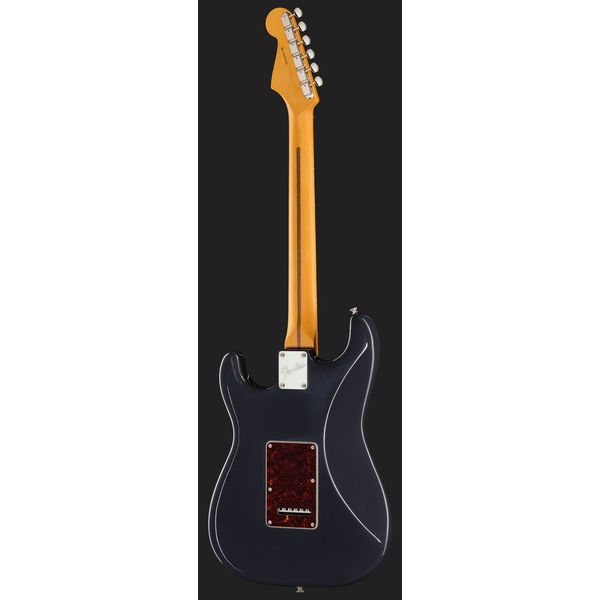
- Body: alder
- Neck: bolt-on maple, Modern C profile
- Fingerboard: rosewood, 241 mm (9.5″) radius, white dot inlays
- Frets: 22 jumbo
- Scale: 648 mm (25.5″)
- Nut: synthetic bone, 42.8 mm
- Pickups: three Coastline 57 Stratocaster single coils, middle RWRP
- Controls: master volume, 2 tone, 5-way switch
- Bridge: vintage-style 6-saddle synchronized tremolo
- Tuners: Fender ClassicGear staggered
- Extras: deluxe gigbag included, made in USA
What It Sounds Like Through a Real Amp
I ran it into a small valve combo with the gain about a third up, which is where a Strat like this either sings or falls apart. It sang.
The Coastline 57 set has enough output to push the front end into a soft breakup without turning into mush, and because the pickups are not overwound you can clean the whole thing up on the volume knob. That volume-knob trick is the single most underrated feature on any vintage-spec Strat, and it works properly here.
Into a modeller it behaves too. No ice-pick on the bridge pickup, no woolly low end on the neck, and the hum-cancelling middle position means you can actually track quiet parts without a noise gate fighting you. FYI, if you are recording, the two tone controls give you far more usable variation than the one-tone layouts on a lot of modern Strats.
Final Verdict
This is the Strat for someone who has owned a few and knows what they want. It does not chase versatility and it does not pretend to be modern.
What it does is nail the classic Stratocaster sound with build quality that will still be fine in thirty years, at the cheapest USA price Fender currently offers.
If you need humbuckers, coil splits or a locking trem, walk away — this guitar will annoy you. If you have been sat there wishing your Mexican Strat felt a bit more resolved, this is exactly the upgrade.
IMO it is a better guitar than the American Performer it replaced, and I say that as someone who liked the Performer a lot.