Watch It First
For years, „Sire” was a name a lot of bassists quietly ignored. Budget brand, made-in-Indonesia, signature line attached to a jazz legend for marketing reasons — that was the assumption, anyway.
Then the Marcus Miller P7 (2nd Generation) started showing up in the hands of players who could genuinely afford anything they wanted, and the conversation shifted fast.
I finally got proper hands-on time with one recently, and yeah, I get it now. Let’s talk about why this bass keeps making people eat their earlier skepticism.
First Impressions
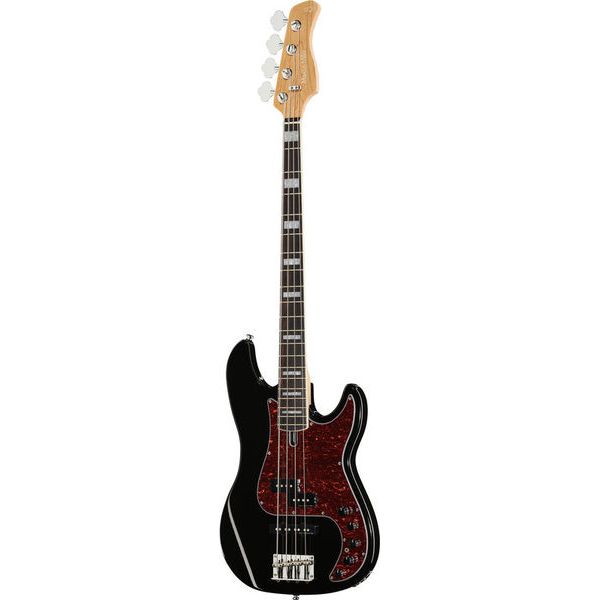
Pick it up and the first thing you notice is the weight and balance feel right, not „budget bass” light or oddly top-heavy. It sits on a strap the way a well-made instrument should.
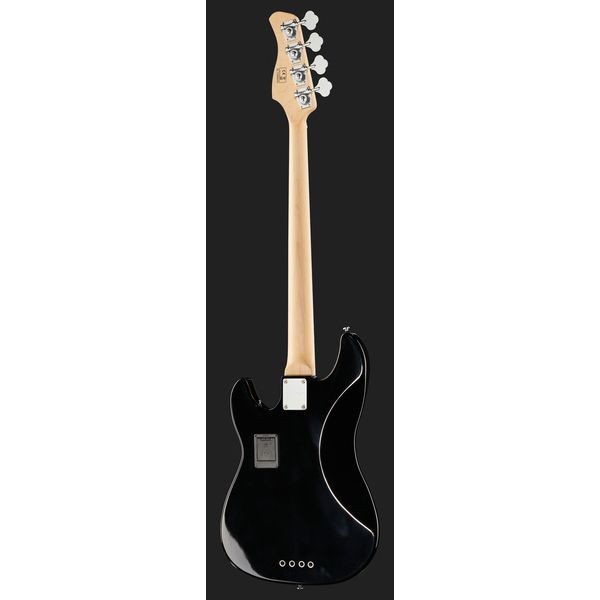
Alder body, bolt-on maple neck, ebony fingerboard with white pearl inlays. On paper that’s a spec sheet you’d expect from a bass costing a good bit more.
The Neck Is the Star Here
A „C” profile neck, 9.5″ fingerboard radius, 38mm nut width. It’s slim without feeling flimsy, and the ebony board feels genuinely premium under the fingers.
Fretwork on the unit I played was clean, no sharp edges, no dead spots up the neck. For a bass in this price bracket, that’s not a given, and it’s honestly the detail that impressed me most.
PJ Pickups and the Marcus Heritage-3 Preamp
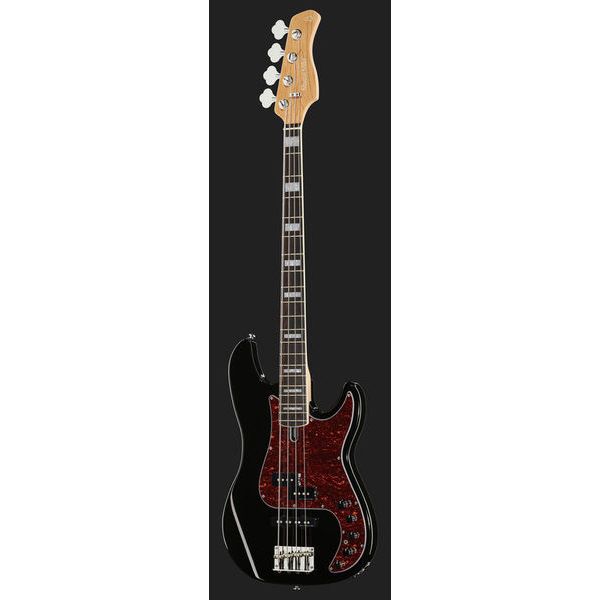
You get a Marcus Super Precision split coil in the middle and a Marcus Super Jazz single coil at the bridge — the classic PJ layout that gives you Precision thump and Jazz snap from one instrument.
The Marcus Heritage-3 electronics add a pickup blender, dual-concentric volume/tone and middle/middle-frequency pots, plus treble and bass. There’s also a mini toggle to flip between active and passive modes.
Passive mode alone is genuinely usable and characterful. Flip to active and you get a surprising amount of tone-shaping range for a bass at this price, more than you’d get from something like the Squier Sonic Precision Bass, which is a fair comparison given they occupy similar shelf space for very different buyers.
Tone: Punchy, Versatile, Genuinely Pro-Feeling
Fingerstyle, the P-side thump comes through with real authority. Roll toward the J pickup and you get more zip and top-end presence for slap or picked lines.
Slap tone in particular is where this bass shows off. It’s tight, punchy, and doesn’t get boomy or flubby in the low mids the way a lot of budget PJ basses do when you dig in.
If you want a punchier, more aggressive modern voicing instead, the Sterling by Music Man StingRay Ray4 is worth comparing side by side — different pickup philosophy entirely, similarly gig-ready.
Who This Bass Is For
Gigging players and serious hobbyists who want pro-level tone flexibility without a pro-level price tag are exactly who Sire built this for.
It’s equally comfortable in a function band covering everything from funk to rock, and it holds its own in a studio setting too, thanks to that active/passive switch giving you real options at the mixing stage.
Setup Out of the Box
Action on the unit I tried was already set up sensibly low without any fret buzz, which isn’t always a given at this price point. Whoever’s doing quality control at Sire’s factory has clearly been paying attention.
Intonation was accurate up and down the neck too, which matters more than people think when you’re switching between fingerstyle and slap technique on the same bass mid-set.
If you’re the type who likes to immediately swap strings on a new bass, this one takes well to both stock roundwounds and flats if you want a more vintage, P-bass-leaning thump out of the split coil pickup.
How It Compares
Against something like the Harley Benton PJ-4 Deluxe, the P7 sits a notch above in fit, finish, and electronics complexity, though the Harley Benton remains the better entry point if budget is your main constraint.
If you want something more distinctive-looking with a completely different tonal character, the Epiphone Thunderbird IV takes a totally different route to a great rock tone. And for a warm, boutique-flavoured alternative in a similar bracket, the Epiphone Embassy Bass is worth a look too.
Amp Pairing
Given how much tonal range this bass already offers on its own, you don’t need a fancy amp to make it shine. The Fender Rumble 40 is a genuinely great, uncomplicated match for practice and small gigs alike.
Specs at a Glance
- Body: Alder
- Neck: Bolt-on maple, C profile
- Fingerboard: Ebony, 9.5″ radius
- Scale: Long scale (34″)
- Pickups: Marcus Super Precision (split coil) + Marcus Super Jazz (single coil)
- Electronics: Marcus Heritage-3, active/passive switch
- Hardware: Chrome, Sire Premium Open-Gear tuners
- Frets: 20 medium small
The Niggles
Some owners report the control knobs and pots feel a touch cheap compared to the rest of the build, and can turn a little unevenly out of the box. Nothing that affects tone, but it’s a slightly odd corner to cut.
It’s also worth knowing this is „Made by Sire” rather than built in-house by Marcus Miller’s own team — the association is real and Marcus is genuinely involved in the design, but don’t expect a boutique small-batch build process.
And if you strictly want passive-only simplicity with zero battery to worry about, the active electronics here mean you’re carrying a 9V battery around as a backup, same as any active bass.
Final Verdict
The Sire Marcus Miller P7 2nd Generation earned its reputation the hard way, by actually being good rather than just being cheap. The neck alone punches well above the price point, and the PJ pickup pairing with active electronics gives you genuine gigging versatility.
It’s not flawless — the knobs feel a bit budget and it’s not a boutique build — but the fundamentals are all there where it actually counts: neck, fretwork, tone, and playability.
If you’ve been sleeping on Sire because of old assumptions about the brand, this is the bass that should change your mind. IMO it’s one of the smartest buys in this price range right now.