Watch It First
Yamaha’s CG series has been the default „serious student” classical guitar recommendation for decades now. The CG122MC is the solid-cedar-top entry point into that whole lineup.
It’s not trying to reinvent the classical guitar. It’s trying to be the reliable, well-built instrument your teacher recommends and doesn’t second-guess. Simple goal, and Yamaha nails it more often than not.
I spent real practice time on this one, scales, pieces, the whole routine. Here’s the honest breakdown.
Build and Materials
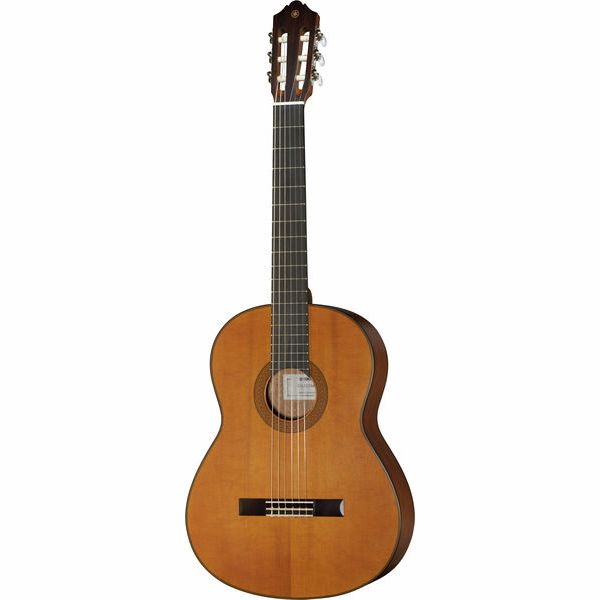
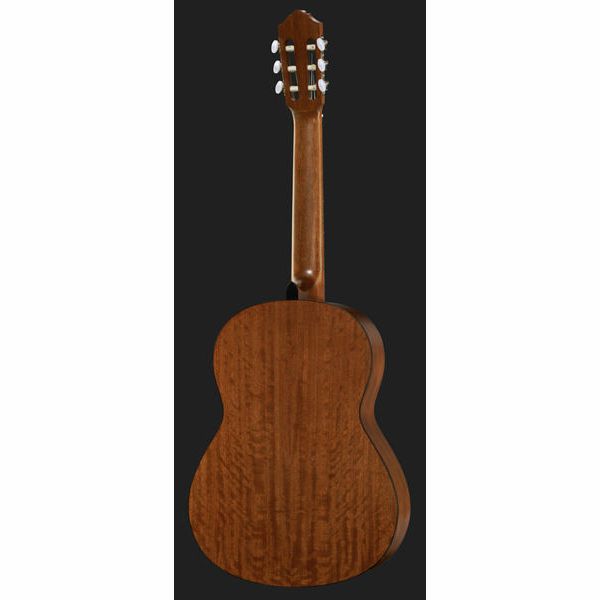
Solid cedar top, no laminate here, which already puts it a rung above a lot of „student” guitars that quietly use plywood and hope you don’t notice. Back and sides are nato, a mahogany-family wood that’s affordable but still gives a warm, balanced tonal foundation.
The neck is nato too, topped with a rosewood fingerboard and rosewood bridge. Scale length is the standard 650mm classical measurement, 19 frets, and a proper 52mm nut width. Tuners are chrome, nothing flashy, but they hold tune reliably which is really all you want from them.
Finish
Natural matte finish, no gloss shine to worry about scratching. It’s a plain-looking guitar, admittedly, Yamaha isn’t selling flash here. Binding is a simple plastic trim around the body, tidy without being showy.
Playability and Feel
This is genuinely one of the better-setup classical guitars you’ll find at this price without needing an immediate trip to a luthier. Action is comfortable out of the box, and the neck profile is friendly enough for smaller hands while still giving intermediate players room to work.
If you’re stepping up from a basic laminate beginner like a Yamaha C40, the difference is immediately noticeable in how the guitar responds under your fingers. It just feels like a more serious instrument, because it is one.
Tone and Sound
Cedar tops respond fast, and that’s exactly what you get here. Notes bloom quickly rather than needing years to open up, which matters a lot for a student instrument since you want feedback from your playing right away, not a decade from now. It’s warm through the mids, with basses that stay controlled rather than boomy.
It won’t out-project a full concert instrument, but for lessons, practice rooms, and small recitals it’s got plenty of voice. If you eventually want a nylon-string with onboard electronics for stage use, something like the Yamaha NTX1 covers that need, though it’s a different design philosophy entirely, more crossover instrument than traditional classical.
Who It’s For
This is squarely a student and serious-hobbyist guitar. Conservatory-track players, adults returning to classical guitar after years away, or anyone whose teacher has said „get a solid top, stop putting it off” will find exactly what they need here. It’s also a smart choice for parents buying for a kid who’s shown real commitment, not just a passing interest.
Honest Niggles
A few things to know before buying.
- No gigbag or case included, which is a genuinely odd omission at this price point, budget for one separately.
- The matte finish looks plain, if you want visual flash this isn’t the guitar for that.
- Nato back and sides are fine but not as resonant as rosewood or mahogany found on pricier models.
- Stock strings are serviceable but most players will want to upgrade to a set like D’Addario Pro-Arte fairly soon.
How It Compares
Against fully laminate beginner classicals, the CG122MC’s solid cedar top is the clear differentiator, it’ll develop tone over years of playing in a way a laminate top simply can’t. If you’re weighing a steel-string acoustic instead because you’re not sure classical is your thing yet, remember instruments like the Cort Earth 100 or an Ibanez AW54 Artwood play and feel completely different under the fingers, steel strings demand tougher fingertips and different right-hand technique entirely.
Down the line, if you want to amplify practice sessions or play along with backing tracks, pairing this with something like a Blackstar Sonnet 60 would need an added soundhole pickup first, since the CG122MC has no onboard electronics, keep that in mind if amplification matters to you.
Key Specs
- Top: Solid cedar
- Back and sides: Nato
- Neck: Nato
- Fingerboard and bridge: Rosewood
- Scale: 650mm
- Frets: 19
- Nut width: 52mm
- Tuners: Chrome
- Finish: Natural matte
- Pickup: None (acoustic only)
Final Verdict
The Yamaha CG122MC does exactly what it’s supposed to: give a serious student a real solid-top classical guitar without the Spanish workshop price tag. It’s not exciting to look at, but it plays and sounds like a guitar you can actually grow with for years.
Setup and Maintenance Tips
A new solid-top guitar like this benefits from a proper setup even when it arrives playable out of the box. Have a local tech check the action height and intonation within the first few months, wood settles a bit as it adjusts to your climate, and a small tweak early on saves headaches later. It’s a cheap visit that pays off in comfort for years of practice.
Humidity control matters here too, same as any solid-top acoustic. Keep it away from direct heat sources, and if you live somewhere with dry winters, a simple soundhole humidifier in the case is worth the small investment. Nylon strings are more forgiving of humidity swings than steel, but the solid cedar top itself still needs a bit of care to avoid cracking over time.
String changes are worth planning for too. The factory strings are fine to learn on, but most players notice a real jump in tone and sustain after swapping to a quality set like D’Addario Pro-Arte or Savarez. It’s the single cheapest upgrade you can make to this guitar, and honestly one of the first things I’d recommend doing once you’ve had it a month or two.
If your teacher told you it’s time to upgrade from a toy-grade laminate guitar, this is one of the safest, most sensible picks out there. No regrets purchase, honestly.