Watch It First
Some amps get talked about way more than they get bought. The Peavey Classic 30 is the poster child for that. Every „best budget tube combo” forum thread eventually has some grizzled guy chiming in with „just get a Classic 30, mate.”
Peavey brought it back as the Classic 30 II – same recipe, fresh build, still weirdly good for the money. I’ve owned one of the originals, so I went in with expectations already set uncomfortably high.
I ran this thing through clean jazz voicings, cranked blues, and a pedalboard full of dirt, and came away understanding exactly why gigging players have kept these alive for three decades. IMO it’s one of the smartest buys in the sub-£800 tube combo bracket right now.
What’s Actually Inside
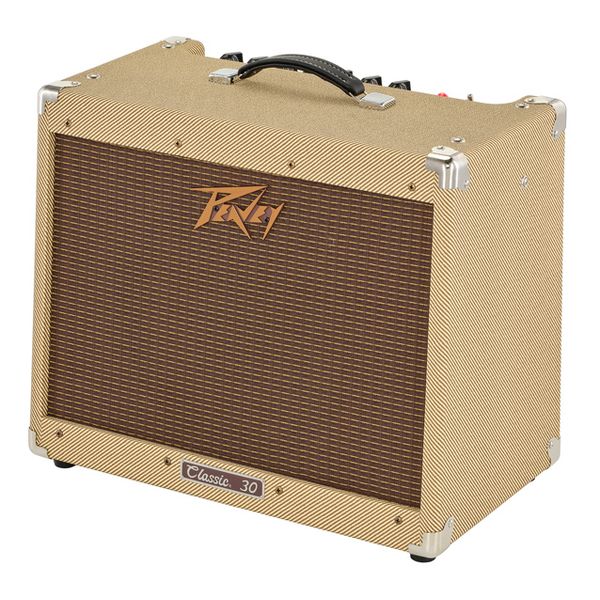
Under the tweed you get a genuinely all-tube signal path: 3x 12AX7 preamp tubes and 4x EL84 power tubes pushing 30 watts RMS through a single 12″ Celestion Midnight 60. That’s the same speaker formula a lot of boutique-ish combos lean on, and it’s a big part of why this thing doesn’t sound thin or brittle at low volumes.
Two channels, a proper 3-band EQ, spring reverb baked in, plus a boost switch on the lead side. There’s an effects loop (send/return) round the back too, which honestly a lot of amps in this price range skip entirely – looking at you, most of the budget distortion-focused combos out there.
Tone – Where This Thing Earns Its Reputation
Clean Channel
Clean is where the Classic 30 quietly flexes. It’s got headroom for days at bedroom volumes, and it stays glassy right up until you push the volume past halfway, where it starts to compress just enough to feel alive rather than sterile. Great pedal platform – drop a decent reverb pedal in front and you’ve basically got a boutique clean tone for a fraction of the money.
Compared to something like a Fender Blues Junior IV, the Peavey’s clean channel is a touch darker and less scooped – less „American chime,” more mid-forward and amp-in-the-room honest.
Lead / Drive Channel + Boost
This is the bit that made the original a cult amp. Hit the boost switch and you go from polite crunch to properly saturated rock lead tone without ever sounding fizzy or digital. It’s not a metal amp – don’t go in expecting Marshall-style high-gain sag – but for blues, classic rock, rockabilly, and Americana it’s genuinely one of the best voiced drive channels under £800.
Build and Controls
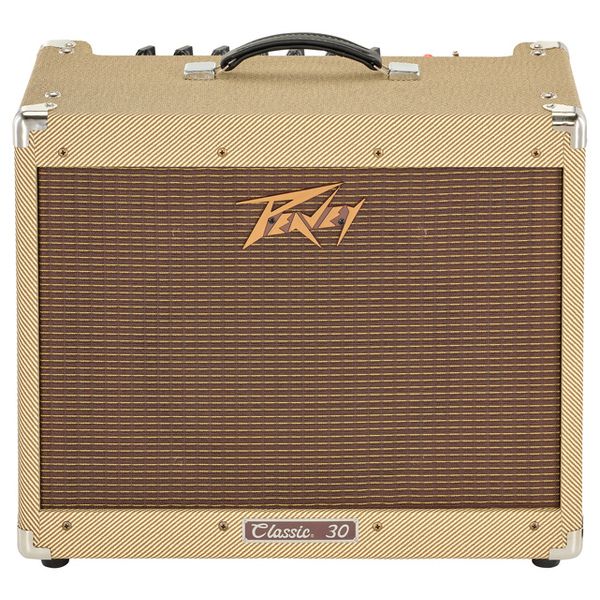
The tweed covering with chrome details is a nice touch – it doesn’t look like every other black-tolex box on stage, and it’s aged well on the units I’ve seen gigged hard for years. Controls are simple: volume, EQ, reverb, boost, all clearly labelled, nothing hidden in a menu system. You twist a knob, it does the thing. Refreshing, honestly.
At just under 21kg packaged it’s not a featherweight, but for a 1×12 tube combo that’s about par for the course – you’re not lugging a 4×10 bass rig here.
Footswitch and FX Loop
A 2-button footswitch is included in the box (channel + boost), which is a genuinely nice inclusion at this price – plenty of rivals make you buy that separately. The FX loop means you can run time-based effects like a Strymon Big Sky in the loop rather than in front of the amp, which keeps your drive tones tighter. And FYI, if you’re wondering whether pedal reverb beats the built-in spring tank, check our guide on reverb pedals – short answer, the onboard spring here is honestly good enough that you might not need to bother.
Who’s This For
Gigging blues, rock, country, and rockabilly players who want one amp that covers clean-to-crunch without a pedalboard the size of a coffee table. It’s also a genuinely great studio amp – mic it up and it sits beautifully in a mix without fighting for space.
Teachers and home players will love it too – it’s loud enough for a small gig but has enough headroom control that you’re not fighting to keep it usable at bedroom volumes.
Honest Niggles
- Single spring reverb tank can get a little splashy/boingy if you crank it – use it as seasoning, not a soak.
- No built-in attenuator or cab sim, so it’s a „mic it or crank it” amp for recording – not ideal for silent late-night practice.
- The footswitch cable is on the shorter side if you like to roam the stage.
- Not voiced for high-gain metal – the boost is a rock/blues crunch, not a djent machine.
Specs at a Glance
- Power: 30 Watts RMS, all-tube
- Preamp tubes: 3x 12AX7
- Power amp tubes: 4x EL84
- Speaker: 1x 12″ Celestion Midnight 60
- Channels: 2 (clean/lead) plus boost switch
- EQ: 3-band, plus spring reverb
- FX loop: send/return
- Footswitch: 2-button included (channel + boost)
- Cover: Tweed with chrome details
- Weight: approx. 20.8kg packaged
Final Verdict
How It Stacks Up Against Rivals
The obvious comparisons in this bracket are the Fender Blues Junior and the Marshall Origin 20/50 range. The Fender leans brighter and scoopier, better suited if you’re chasing that glassy American clean tone. The Peavey is more mid-forward and a bit more aggressive once you hit the boost – closer to a British voicing than you’d expect from an American brand.
Against the pricier Marshall Origin combos, the Classic 30 II gives up a bit of headroom and cabinet size, but claws it back with the included footswitch and that FX loop – features Marshall makes you pay a premium tier for. If budget is tight and you want one amp that does blues, rock, and country convincingly, the Peavey remains the smarter buy of the three, IMO.
Worth noting too: resale value on these is rock solid. Used Classic 30s from the original run still fetch decent money years later, which tells you something about how players feel about them once they’ve actually gigged one.
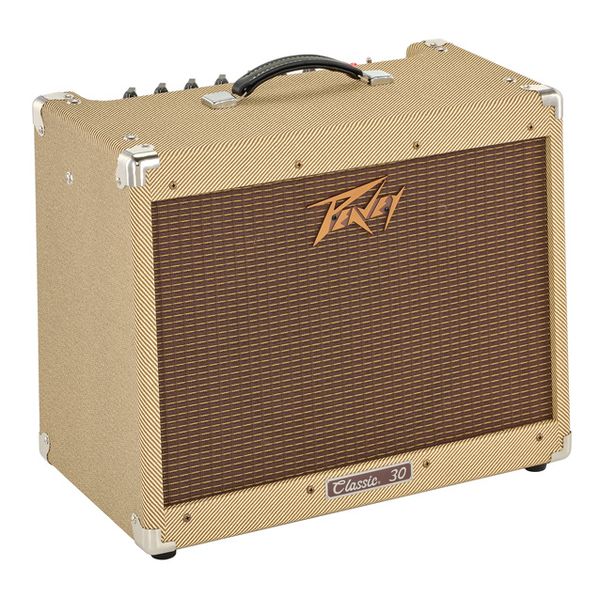
The original Classic 30 earned its cult status the hard way – decades of gigging players putting it through the wringer and coming back for more. The Classic 30 II doesn’t reinvent anything, and honestly, it doesn’t need to.
It’s a punches-above-its-weight combo that covers clean, crunch, and boosted lead tones with real tube dynamics, backed by an FX loop and included footswitch that rivals often charge extra for. If you’ve been eyeing a budget tube combo and want something with a genuine track record instead of a gamble, this is about as safe a bet as it gets 😉
Not the flashiest amp on the shelf, but it doesn’t need to be. It just works, gig after gig, which is exactly why people keep recommending it.