Watch It First
There’s a running joke among bass players that Sire basically ruined the budget market – because once you’ve played one, it’s very hard to justify spending three times as much on a badge. The Sire Marcus Miller P5 is exactly the bass that started that conversation.
It’s a passive, Precision-style four-string designed by the legend Marcus Miller himself, built to a standard that keeps embarrassing instruments costing far more. And the neck – well, we’ll get to the neck, because it’s the reason people fall in love with these things.
So is the hype real, or is it just internet noise? I went through the specs, the demos and a big pile of owner reviews. Here’s the honest verdict.
The Neck Is the Whole Story
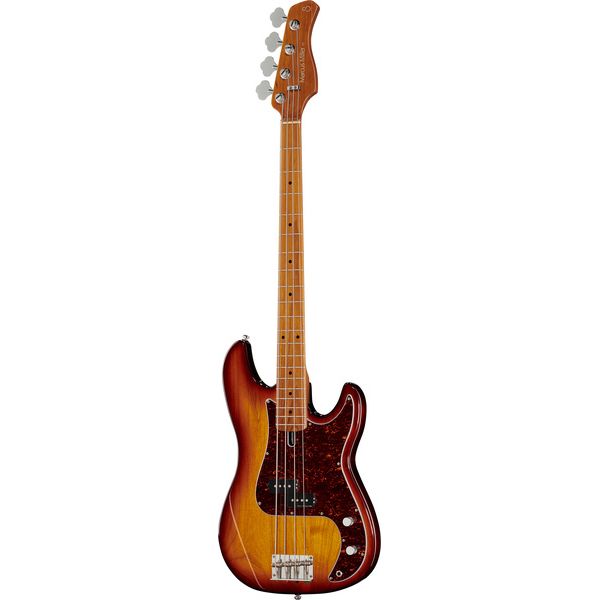
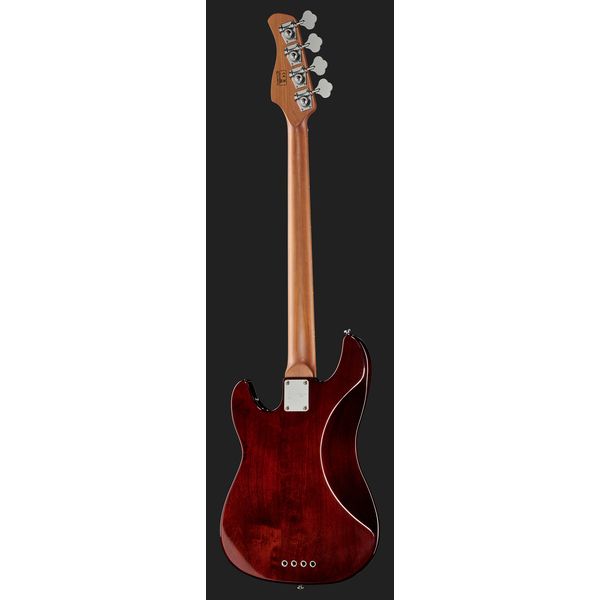
Let’s start where every owner starts: the one-piece roasted maple neck. Roasting (or torrefying) the wood makes it more stable and gives it that lovely amber tint, but more importantly it just feels sublime. Rolled fretboard edges, buttery fret ends and a glossy-but-fast finish add up to a neck that feels like it came off an instrument three times the price.
Owners with decades of experience routinely say the fretwork and setup arrive better than basses costing several times more. That’s not an exaggeration – most instruments at any price need fret levelling and a nut tweak to play their best, and the P5 tends to show up already nailed. If you’re stepping up from a starter like the ones in my best first bass guitars guide, the difference in feel is night and day.
Classic P-Bass Tone, Modern Build
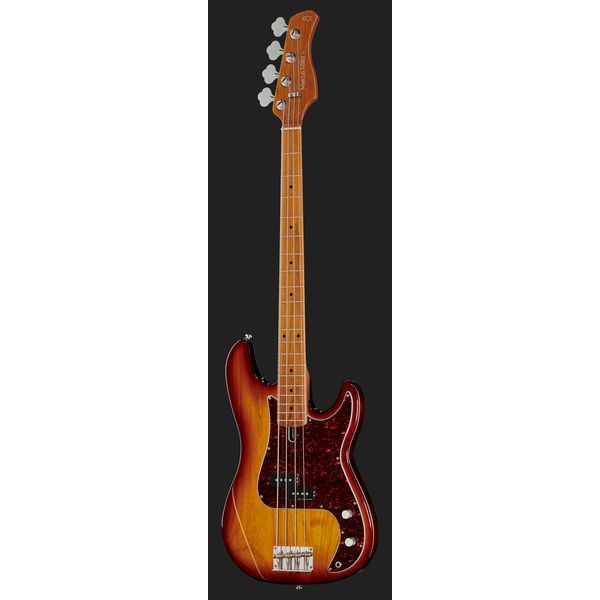
Under the tortoise pickguard sits a single Marcus Vintage-Fat split-coil P pickup with simple volume and tone controls. It’s fully passive – no battery, no EQ, just plug in and get that fat, mid-forward Precision thump that has anchored records for seventy years. Note definition is excellent across the neck, and the bass is deep and well balanced.
Be realistic about the voice, though. This is a good P-Bass tone rather than a pure vintage holy-grail sound, and a couple of owners actually preferred the active V-series or the pricier models for outright character. If you want the full story on how Sire’s range stacks up, I went deep on it in are Sire Marcus Miller basses good.
How It Compares
The obvious rival is the Squier Sonic Precision Bass and the classic-vibe Squier P-Basses. The Sire generally pulls ahead on neck feel and factory setup, landing much closer to a Mexican-made Fender Precision – some owners reckon it’s flat-out better. For the money, that’s a remarkable place to be.
It’s not a slap-first instrument, mind. A single passive P pickup isn’t built for aggressive funk, so if that’s your world you’ll want something brighter from my best bass guitars for slap roundup, or one of Sire’s own PJ or Jazz models. The P5 is a specialist in the best sense: it’s a superb, traditional Precision bass, and it commits to that job completely.
The Honest Niggles
A few caveats worth knowing. Because it’s a light bass with a substantial neck, it can be slightly neck-heavy on a strap – not dramatic, but there. Stock the passive tone is very good rather than magical, so tone chasers sometimes drop in a boutique pickup down the line (the bass takes upgrades beautifully). And stock availability can be patchy – these sell fast and sometimes ship on a lead time. None of that dents what is, fundamentally, a stunning bass for the outlay.
The Specs That Matter
- Body: Alder
- Neck: One-piece roasted maple, C profile, rolled edges
- Fretboard: Roasted maple, 20 medium-small frets, bone nut
- Scale: 34″ long scale, 42 mm nut
- Pickup: Marcus Vintage-Fat split-coil P, passive
- Controls: Volume + tone
- Hardware: Vintage-S bridge, chrome, tortoise pickguard
Who Should Buy It?
This is for the player who wants a genuine, do-the-job Precision bass without the Fender tax – the gigging musician, the studio player, or anyone upgrading from an entry-level instrument like a Harley Benton Beatbass who wants a serious step up in feel and finish. It’s also a fantastic platform: buy it, love it, and drop in a boutique pickup years later if you ever feel the itch.
If you’ve been eyeing a Mexican Fender Precision and wondering whether to save the money, the P5 makes that a very awkward decision – in the best possible way. It’s the bass that made a whole generation of players stop worrying about the logo on the headstock.
Why Sire Shook Up the Whole Market
It’s worth stepping back to appreciate what Sire actually pulled off. Before these basses arrived, the accepted wisdom was that you got what you paid for – a cheap bass felt cheap, full stop. Sire teamed up with Marcus Miller, cut out the traditional retail markup by selling more directly, and poured the savings into the parts that players actually feel: the neck, the frets, the setup. The result rewrote everyone’s expectations of what a few hundred pounds should buy.
That’s why the P5 matters beyond its own spec sheet. It forced the big names to sharpen their budget offerings and gave working players a genuinely professional instrument at a hobbyist price. When a bass this good is this affordable, the only real question left is whether a traditional Precision is worth the extra outlay to you – and for a lot of players, honestly, the answer is no. That shift in the market is Sire’s real legacy, and the P5 is the bass that keeps proving the point year after year.
Verdict
The Sire Marcus Miller P5 is one of the great value stories in modern bass. That roasted maple neck, the flawless factory setup and the honest passive Precision voice add up to an instrument that genuinely punches into territory far above its price – and keeps embarrassing basses that cost a lot more.
The slight neck-heaviness and the good-not-legendary stock tone are the only real caveats, and both are easy to live with or upgrade around. If you want a proper P-Bass and you’re not precious about the badge, this should be at the very top of your list. Sire earned its reputation with basses exactly like this one.