Watch It First
Small tube combos are a weirdly emotional purchase. You’re not just buying watts, you’re buying a certain feeling.
The Fender Blues Junior IV has been chasing that feeling since 1995, and this fourth generation is the best version yet.
I’ve owned two of these over the years. Here’s why I keep coming back to this amp specifically.
One Sound, Nailed Perfectly
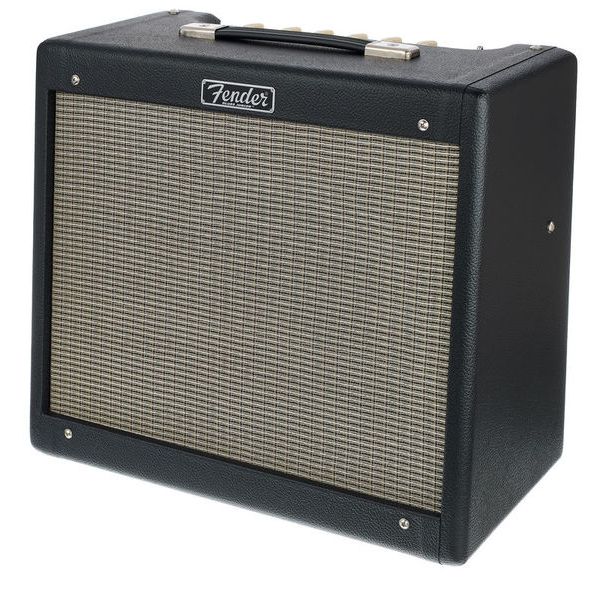
At its heart, this is a 15 watt, single channel tube combo loaded with a 12 inch Celestion A-Type speaker.
Inside you’ve got three 12AX7 preamp tubes and two EL84 power tubes, the same recipe that’s made small Fender amps sound the way they do for decades. It’s not trying to be versatile. It’s trying to nail one specific sound.
That sound is warm, slightly compressed clean tone that breaks up beautifully the harder you push it.
The FAT Switch Is The Star
Controls are simple: Volume, Treble, Middle, Bass, Reverb, and Master, plus a FAT switch that adds midrange push for thicker leads.
That FAT switch is honestly the star of the show. Flip it on for solos and the amp fills out in a way that feels almost like a second channel, without actually needing one.
The built-in spring reverb is genuinely lush too, not the thin, digital-sounding stuff you get on a lot of budget combos. It’s warm and splashy in exactly the way blues and surf players want.
Fifteen Watts Hits Harder Than You’d Think
Fifteen watts sounds tiny on paper, but tube watts hit differently than solid-state watts.
This thing is loud enough for small to mid-size gigs, especially mic’d through a PA. At bedroom volume, you can still get real tube breakup without waking the whole street, which is one of the main reasons players love this amp for home use.
A Bit Picky With Pedals, And That’s Okay
One thing worth knowing upfront: this amp has a reputation for being picky with drive pedals. Push too much gain into the front end and it can get a bit fizzy or thin compared to how it sounds on its own.
That’s not really a flaw so much as a personality trait. The amp’s front end likes a light touch. Lower-gain, transparent pedals tend to work far better than high-gain distortion boxes here.
If you’re shopping for a drive pedal to pair with this amp, something like the MXR Custom Shop Timmy is a genuinely great match, transparent enough to stay out of the amp’s way while still adding grit.
A wah pedal also plays nicely here for blues leads. My Dunlop Cry Baby review covers the classic choice most players reach for.
Build Quality And What’s Included
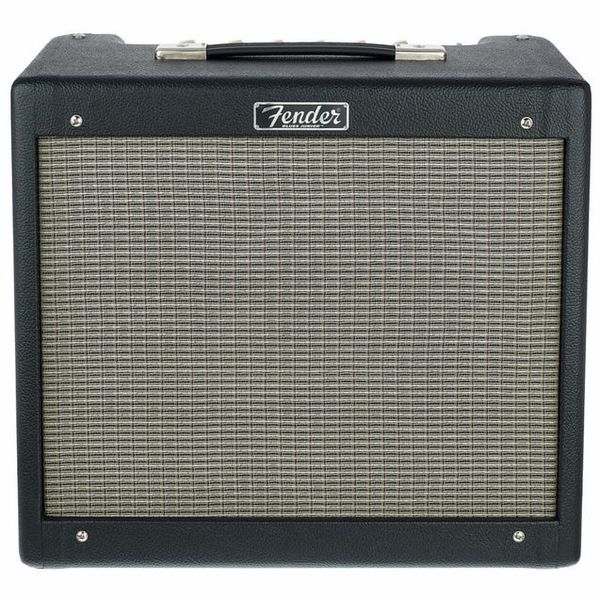
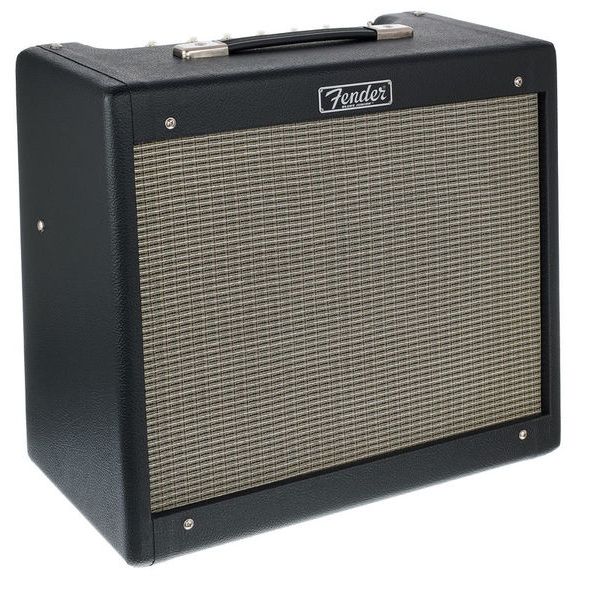
Build quality is classic Fender Hot Rod series: black textured vinyl, aged silver grille cloth, and Chicken Head style knobs that just look right on an amp like this.
It comes with a footswitch included in the box for the reverb and channel functions, a small thing that a lot of amps in this price range skip.
Quick spec rundown:
- 15 watts, single channel tube combo
- 1x 12 inch Celestion A-Type speaker
- 3x 12AX7 preamp tubes, 2x EL84 power tubes
- Controls: Volume, Treble, Middle, Bass, Reverb, Master, FAT switch
- Built-in spring reverb
- Footswitch included
- No FX loop, no line out, no headphone output
- 4.8 out of 5 from 84 Thomann reviews
How It Compares
If you’re comparing tube combos in this bracket, the Marshall DSL5CR is worth a look too, a completely different voicing with more headroom flexibility thanks to its power switching.
The Blackstar HT-5R MKIII is another strong home-volume option if you want something a bit more modern and versatile than Fender’s classic blackface-adjacent voicing.
And if you want to stay in the Fender family but go even smaller, my review of the Fender 65 Princeton Reverb covers a similarly small-box, big-sound combo with its own distinct character.
Who Should Buy This
Who should buy this? Blues, rock, and country players who want an amp that reacts to how hard you play rather than one you set-and-forget. Studio use is another sweet spot, since you can get real tube saturation at levels that won’t upset your neighbors or your bandmates.
Who shouldn’t? If you’re chasing high-gain metal tones or you rely heavily on aggressive drive pedals stacked in front, this amp’s picky front end will frustrate you more than it satisfies you. Look at something with more headroom or a dedicated gain channel instead.
No FX loop and no line out are real limitations for players who want to record silently or run time-based effects after the preamp. If that matters to you, factor it into your decision before buying.
Weight, Portability, And What Changed In This Version
A quick word on weight and portability. At 14.3 kg, it’s not the lightest small combo out there, but it’s still manageable for one person to load in and out of a car without any drama.
The single 12 inch speaker fills a room better than you’d expect from the cabinet size. Fender clearly spent time voicing this to sound bigger than its footprint suggests, and it shows the moment you turn it up past bedroom levels.
Another detail worth mentioning: this fourth generation model fixed a lot of the complaints players had about earlier Blues Juniors. Older versions had a reputation for icy top end and mushy low end. This one is noticeably more balanced, with a fuller low end and smoother highs that don’t get harsh when you dig in.
If you’ve tried an older Blues Junior years ago and walked away unimpressed, it’s genuinely worth giving this current version a second chance. Fender clearly listened to years of player feedback, and the amp is better for it.
Resale value is also worth factoring in. Fender combos in this range tend to hold their value well on the used market, which makes this feel less like a purchase and more like an investment in a tool you can always sell if your needs change down the line.
The Verdict
None of that changes how I feel about this amp though. It’s not trying to do everything, and that’s exactly the point.
IMO the Blues Junior IV earns its reputation the honest way: not through spec sheet bragging rights, but through actually sounding great every single time you plug in. That’s rarer than it should be at this price point, and it’s why this amp keeps ending up back on my „yes, buy it” list every time someone asks.
One last thing that doesn’t show up on any spec sheet: this amp just feels good to sit down and play. There’s something about the way the FAT switch and the volume knob interact that makes even simple blues licks feel satisfying.
That’s ultimately what separates a great amp from a merely competent one. Plenty of combos in this price range check every spec box on paper but never quite deliver that feeling when you actually plug in and start playing. The Blues Junior IV delivers it consistently, gig after gig, practice session after practice session.