Watch It First
Owning a Martin used to mean saving up for years or buying secondhand and hoping for the best.
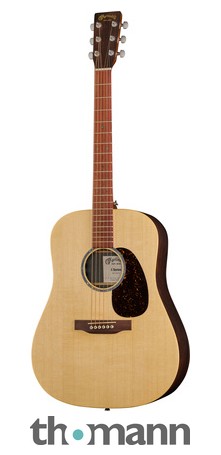
The X Series changed that equation completely, and the D-X2E is the dreadnought at the center of it – a genuine Martin, built in Mexico with high-pressure laminate rosewood, at a fraction of what a solid-wood D-28 costs.
Does it actually sound like a Martin though, or is that just clever branding? Spent real time with one, and the answer might surprise the skeptics.
Playability
Standard dreadnought dimensions, 645mm scale, 44.5mm nut width with a white Corian nut. It plays like a Martin should – smooth, familiar, nothing that requires an adjustment period if you’ve played dreadnoughts before.
The neck profile is comfortable for extended playing sessions, and the compensated TUSQ saddle helps intonation stay accurate up the neck, which matters more than people expect on a strumming-focused dreadnought.
It comes with a gig bag included too, which is a nice touch at this level and one less thing to budget for after the purchase.
The Onboard Electronics
The Martin E1 pickup system is simple and effective – plug straight into a PA or acoustic amp and it translates the natural tone reasonably faithfully, without the quacky, thin sound cheaper undersaddle systems are known for.
Pairing it with something like our Fender Acoustic SFX II gives you a genuinely gig-ready rig without needing a full PA setup for smaller venues.
Tone
This is where the X Series earns its reputation. The spruce top over high-pressure laminate rosewood back and sides delivers that classic Martin dreadnought voice – deep lows, articulate mids, and a top end that stays sweet instead of getting harsh under heavy strumming.
It won’t have the same complexity and long-term „opening up” that a solid rosewood D-28 develops over decades, but for the price gap, that’s an entirely fair trade. Most players in a mix or a living room won’t clock the difference.
Strummed chords have real authority, and fingerpicked passages come through with enough separation that individual notes don’t blur together, which is where a lot of cheaper laminate guitars fall apart.
Build Quality
Mother-of-pearl rosette with multi-stripe purfling, mother-of-pearl fingerboard inlays, a genuine Martin headstock logo – this doesn’t look or feel like a „budget” instrument in the way plenty of entry-level dreadnoughts do.
The high-pressure laminate construction is also arguably more forgiving than solid wood for beginners or players who travel a lot – less prone to cracking from humidity swings, which matters if your guitar’s going to live out of a car trunk occasionally.
Who Should Buy This
Anyone who wants a genuine Martin headstock without a genuine Martin price tag. It’s a fantastic step-up guitar for players who’ve outgrown a true beginner acoustic and want something with more presence and a real brand pedigree behind it.
It’s also a smart touring or writing-room guitar for working musicians who don’t want to risk their expensive solid-wood dreadnought on the road but still want that unmistakable Martin voice.
The Niggles
- High-pressure laminate won’t „open up” and mature in tone the way solid wood does over years of playing.
- No cutaway, so upper fret access is limited compared to Martin’s cutaway models.
- Some players find the gloss-free, HPL look slightly less premium up close than a solid-wood equivalent, even if the sound holds up.
- Long lead times have been reported on some finishes, so check stock before you get your heart set on one.
How It Compares
Against the Little Martin LX1E, the D-X2E is the full-size, full-voice option – the LX1E is about portability and convenience, this is about giving you a proper dreadnought experience under the Martin name.
If dreadnought isn’t quite your shape preference, our best jumbo acoustic guitars roundup covers alternatives with a rounder low end and different ergonomics, worth a look before you commit to the classic dread shape.
And if you want to understand exactly what that rosewood back and sides is doing tonally versus mahogany, our tonewood guide breaks it down without the usual marketing fluff.
Amp and Stage Setup
For open mics and small rooms, plugging the E1 system straight into a dedicated acoustic amp like our Blackstar Sonnet 60 keeps things simple and sounding natural, without needing a DI box or a sound engineer’s help.
For bigger stages, a DI box into the house PA is the way to go, and the E1’s onboard controls give enough flexibility to tame feedback without a graphic EQ pedal in the chain.
Care and Long-Term Value
One underrated benefit of the high-pressure laminate construction is resale and resilience. These guitars hold up well to temperature and humidity swings that would stress a solid-wood top, which makes the D-X2E a genuinely practical choice for anyone who gigs regularly or travels with their instrument.
String changes are straightforward, the E1 electronics rarely need attention beyond a battery swap, and the overall low-maintenance nature of this guitar means more time playing and less time fussing over setup.
Resale value on Martin-branded instruments also tends to hold up better than lesser-known brands, so even the X Series carries some of that reputation – a genuine consideration if you ever plan to upgrade further down the line.
Specs at a Glance
- Body: Dreadnought
- Top: Spruce
- Back and sides: Rosewood high-pressure laminate
- Neck and fingerboard: Selected hardwood
- Scale length: 645mm (25.4″)
- Nut width: 44.5mm (1.75″), white Corian nut
- Electronics: Martin E1 pickup system
- Includes gig bag
Final Verdict
The D-X2E does exactly what it’s supposed to do: it puts a real Martin dreadnought voice within reach without pretending to be something it’s not. It’s not going to replace a solid-wood D-28 for a touring pro chasing every last bit of tonal complexity.
For everyone else – gigging musicians who need a durable road guitar, players stepping up from a beginner instrument, or anyone who just wants that headstock logo without the years of saving – this is genuinely one of the smartest ways into the brand. It sounds like a Martin because, well, it is one.