Watch It First
Yamaha’s BB line has been quietly making great basses since the 70s, and almost nobody outside bass circles talks about it enough.
The BB434 is the current entry point into that lineage, and it’s the kind of bass that makes you wonder why anyone pays double for less.
I’ve put real hours into one. Here’s the honest breakdown.
The Pedigree Behind It
Yamaha’s BB series dates back to 1977, and the DNA has stayed remarkably consistent: solid alder or similar bodies, comfortable necks, and pickups voiced for real-world playing rather than showing off on a spec sheet.
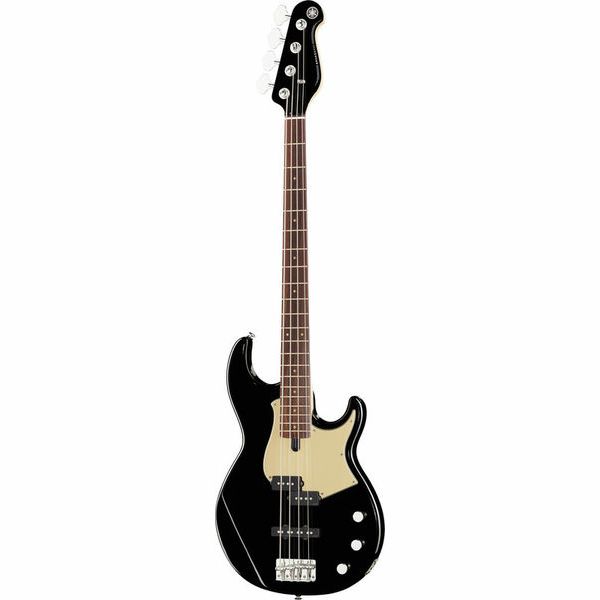
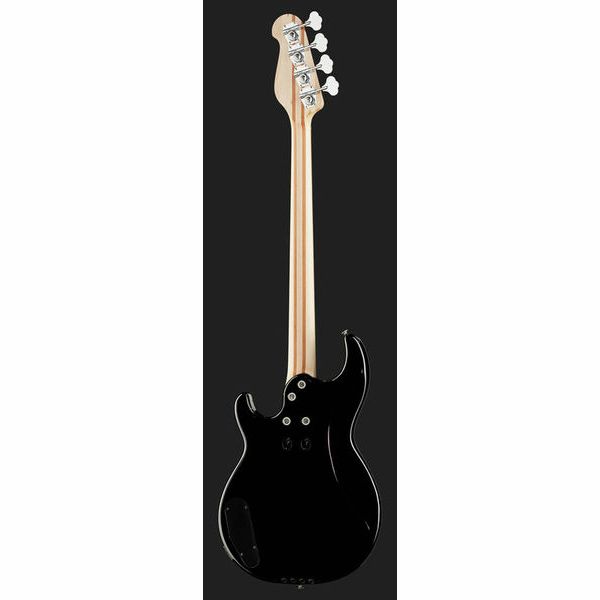
The BB434 continues that tradition with an alder body, a 5-piece maple/mahogany neck, and a rosewood fretboard. That multi-piece neck isn’t just cosmetic – it adds real stability against warping over time.
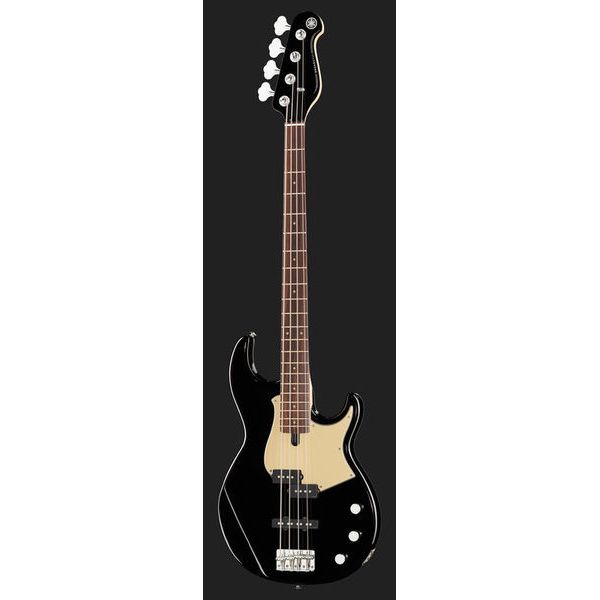
21 medium frets, a 34-inch long scale, and a pickup configuration of one split coil plus one single coil bar pickup – essentially a P/J layout, Yamaha’s own take on the format.
Fun fact: plenty of touring bassists have used older BB models as workhorse backups for decades. This isn’t a new formula Yamaha is experimenting with – it’s a proven one they keep refining.
Build Quality
This is where Yamaha basses have always quietly excelled. Fit and finish on the BB434 is noticeably tighter than most instruments in its price range.
Fret ends are dressed cleanly, the neck joint is snug, and the overall weight balance on a strap is comfortable for long sessions.
Hardware is all Yamaha-branded, and while it’s not flashy, it’s solid and reliable – nothing rattles, nothing feels like an afterthought.
How It Plays
Out of the box, this is one of the more playable basses I’ve tested at this price point. The neck profile is slim without feeling flimsy.
Action was set reasonably well from the factory – not perfect, but close enough that most players could gig with it as-is.
- 5-piece neck construction adds stability and a subtle visual flair down the back
- Rosewood fretboard feels smooth without being slick
- Balanced weight distribution – no neck-dive even standing up
IMO this is one of those basses where the playability just disappears into the background – you stop thinking about the instrument and just play. That’s a genuinely good sign.
The Tone
The P/J pickup combo is the real star here. Split coil alone gives you that classic P-Bass thump – warm, punchy, sits perfectly in a mix.
Blend in the bridge single coil and you get extra clarity and top-end snap, useful for slap or picking styles where you need definition.
It’s a passive bass, so there’s no active EQ to lean on, but the tonal range you get from just volume and pickup blending is wider than you’d expect.
Recorded direct or through an amp, it holds up remarkably well – this is a bass that sounds professional without costing professional money.
In a full mix, it sits exactly where a bass should – felt more than heard, but unmistakably there holding everything together. That’s harder to achieve than it sounds, and plenty of pricier basses get it wrong.
Amp Pairing and Practical Use
Through a solid-state practice amp it sounds clean and punchy – no surprises, no weird frequency spikes to fight with.
Through a tube amp or a good DI into an interface, the passive tone opens up nicely, picking up a bit of natural warmth without any active electronics adding coloration you didn’t ask for.
For gigging bassists, that passive simplicity is actually an advantage – one less battery to worry about dying mid-set.
Who Should Buy This
Working musicians who need a reliable, versatile bass without going into premium territory – this covers P-Bass thump and J-Bass clarity in one instrument.
Session players and recording hobbyists will appreciate the tonal flexibility, since you’re essentially getting two pickup voicings for the price of one bass.
If you want a pure P-Bass approach instead, the Squier Classic Vibe 60s Precision Bass is worth a look – more vintage-flavored, single pickup, different character entirely.
For an even more vintage-correct take, our review of the Fender Vintera II Road Worn 60s Precision Bass covers a premium alternative if you want that same tonal family with a bigger budget.
If a J-style single-pickup-per-position bass appeals more, check out the Harley Benton JB-75MN – a genuinely great budget option in that camp.
Curious about StingRay-style humbucker tone instead? Our takes on the Sterling SUB Ray4 HH and the Sterling StingRay RAY34 cover that completely different tonal world.
The Niggles
The stock strings are okay but not amazing – fairly standard for factory setups at this price, and most players will want to upgrade eventually.
There’s no active preamp, so if you’re used to boosting your signal with onboard electronics, you’ll need to rely on your amp’s EQ instead.
Also, availability can be spotty depending on region and finish – popular colors sometimes have longer lead times, so patience may be required.
None of this is really a knock against the instrument itself. It’s just the reality of buying at this price tier.
Specs at a Glance
- Electric bass guitar
- Body: Alder
- Neck: 5-piece maple/mahogany
- Fingerboard: Rosewood
- Frets: 21, medium
- Scale: 864mm (34 inch, long scale)
- Pickups: 1 split coil, 1 bar single coil (P/J)
- Electronics: Passive
- Hardware: Yamaha chrome
- Colour: Black
A Quick Word on Value
Bang for buck, the BB434 sits in a strange sweet spot – priced like a mid-tier bass but built and voiced like something a rung or two higher.
Compare the fit and finish here against basses twice the price and you’ll find fewer differences than you’d expect. That’s rare, and it’s exactly why the BB series has such a loyal following among working bassists.
It’s not going to turn heads on looks alone – it’s black, it’s understated, it just gets the job done. But isn’t that what most gigging musicians actually want at the end of the day?
Final Verdict
The Yamaha BB434 is proof that a bass doesn’t need flashy marketing to be genuinely excellent. It just quietly does everything right.
Build quality, playability, and tonal versatility all land well above what you’d expect for the price, and the P/J pickup layout means you’re not locked into one tonal character.
If you want a do-everything bass that’ll handle rock, funk, session work, and everything in between without complaint, this is a seriously easy recommendation. Yamaha’s been perfecting this formula for almost five decades – it shows.