Watch It First
Gretsch has this weird problem where their guitars look so cool that people assume they must be impractical. Big hollowbody vibes, Bigsby wobble, rockabilly attitude — surely that means fighting feedback and tuning issues all night, right?
The G5230T Electromatic Jet exists specifically to kill that assumption. It’s a chambered single-cut, not a full hollowbody, which changes the whole equation.
Less feedback-prone, more rock-friendly, still unmistakably Gretsch. Let’s get into why this one’s worth a proper look.
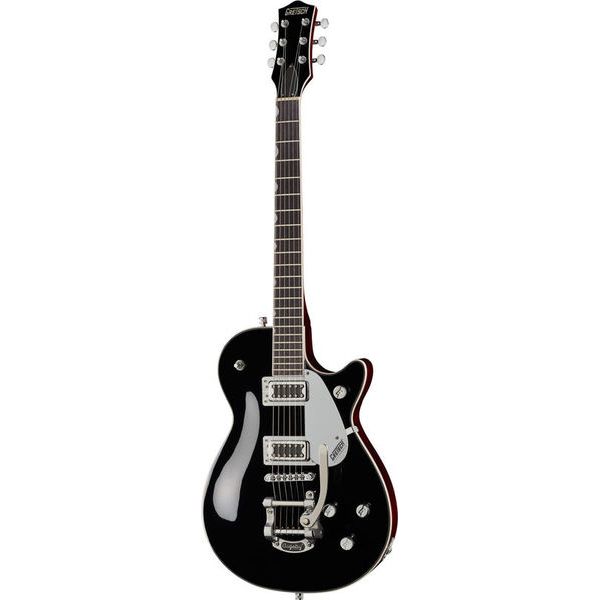
Build Quality – Chambered, Not Hollow
This is the detail that trips people up: the Jet series isn’t a hollowbody like a White Falcon or a 6120. It’s a chambered mahogany body with a maple top — solid-feeling, but lighter than a slab Les Paul and with some natural resonance baked in.
That construction is a big part of why this guitar can sit comfortably next to higher-gain rock tones without turning into a feedback machine the second you stand near your amp — something that trips up players moving from a true hollowbody into rock territory. If you’ve read our guide to clean-tone guitars, this sits at an interesting crossover point: clean and jangly when you want it, punchy enough for rock rhythm when you don’t.
Neck and Fretboard
Mahogany neck, walnut fretboard, pearloid thumbnail inlays — classic Gretsch aesthetic details that actually function well too. 22 medium jumbo frets and a 43mm nut give you a comfortably wide, vintage-flavoured neck profile. Not a shredder’s neck, but that’s not what this guitar is for.
The chambered construction also means this guitar responds a little differently to your picking dynamics than a solidbody does — dig in and you get a touch more air and complexity in the attack, back off and it cleans up nicely without going thin. It rewards a lighter touch more than a heavy-handed metal player would probably enjoy.
Weight-wise it also sits noticeably lighter on a strap than most Les Paul-style single-cuts, which matters more than people expect once you are three hours into a gig. Small thing, but it adds up.
Playability and Tone
Two Black Top FilterTron pickups handle the tone duties here, and this is where Gretsch really separates itself from the pack. FilterTrons split the difference between a humbucker’s output and a single coil’s clarity — twangy, chimey, with more headroom and less mud than a typical PAF-style bucker.
Individual volume controls per pickup plus a master volume and master tone give you a surprising amount of on-the-fly tonal control, more than most guitars in this bracket bother with. It rewards actually learning the controls instead of just leaving everything on 10.
The Bigsby
The licensed Bigsby B50 is the signature move here — that gorgeous, warbly vibrato that no other bridge design quite replicates. It’s genuinely fun to play with, adding subtle pitch wobble for surf and rockabilly lines or more dramatic dives for atmosphere.
Worth knowing going in: stock tuning stability with a Bigsby is never going to match a hardtail or a locking trem. A proper setup (correct string breakover, lubricated nut, decent tuners) makes a big difference, and several long-term owners recommend upgrading to locking tuning pegs if you use the bar aggressively.
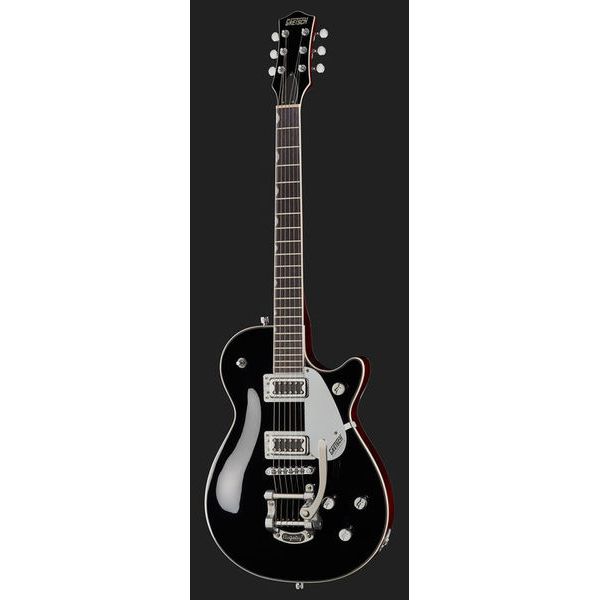
Who’s This For
Players who want a genuinely distinct tone in the room — this doesn’t sound like every other rock guitar, and that’s the appeal. Rockabilly, indie, blues, surf, even some rock rhythm work all suit the FilterTron voice well.
It also makes sense for someone who already owns a more conventional guitar (a Strat, a Les Paul-style solidbody, whatever) and wants a genuinely different flavour as a second instrument rather than a near-identical backup.
Pair it with something that won’t fight the FilterTron chime — a clean-headroom amp like the Peavey Classic 30 or a simple beginner-friendly combo like the Blackstar Debut 50R both suit this guitar’s personality well.
Honest Niggles
- Tuning stability takes work. Between the Bigsby and the stock tuners, expect to spend time on setup, string stretching, and possibly a tuner upgrade if you’re aggressive with the bar.
- The stock TOM-style bridge can rattle on some units, and a few owners report needing to address bridge screw resonance — an easy fix, but an extra step you shouldn’t have to take on a guitar at this price.
- Not built for heavy dive-bombs. Light vibrato and warble, yes. Divebomb-and-hold-pitch, no — a couple of owners note the stock bridge really only handles small pitch moves gracefully before you are fighting it.
- It’s a specific tone. If you are after generic humbucker crunch, this isn’t the guitar — FilterTrons have a distinct voice and it won’t be to every taste.
How It Compares
Against Gretsch’s own Streamliner line, the Electromatic series (this one included) uses better hardware and pickups, so it’s the smarter buy if you can stretch the budget slightly.
Against a more conventional single-cut like an Epiphone Les Paul, the comparison almost isn’t fair — they’re aiming at completely different tonal targets. Pick the Gretsch if you want personality and twang, pick a Les Paul-style guitar if you want thick, saturated humbucker tone.
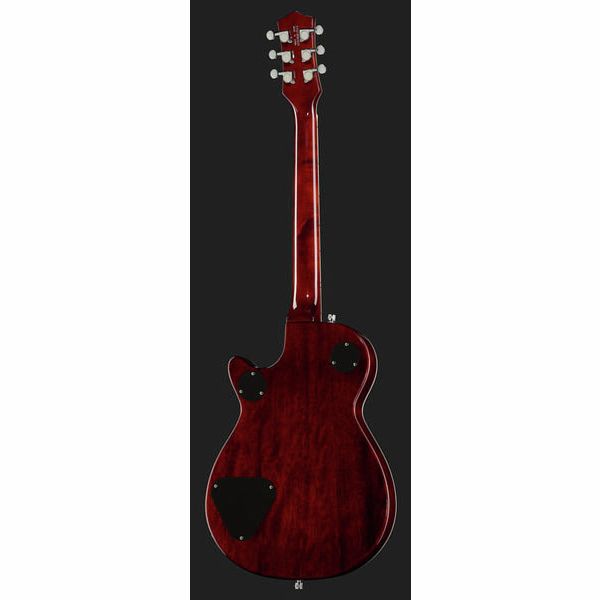
Specs at a Glance
- Series: Electromatic
- Body: Chambered mahogany with maple top
- Neck: Mahogany
- Fretboard: Walnut with pearloid thumbnail inlays
- Frets: 22 medium jumbo
- Nut width: 43mm
- Scale length: 625mm
- Pickups: 2x Black Top FilterTron (HH)
- Controls: 2x individual volume, master volume, master tone
- Tremolo: Licensed Bigsby B50
- Hardware: Die-cast tuners, G Arrow control knobs
- Available since: May 2018
Final Verdict
The Gretsch G5230T Electromatic Jet delivers a genuinely distinct tone and a genuinely cool look, backed by a chambered build that’s more rock-friendly than the hollowbody guitars Gretsch is best known for. That’s a real point of difference in a market full of Strat and Les Paul clones.
It’s not the guitar to grab if you want zero-maintenance tuning stability or generic humbucker crunch. But if you want something with actual character — and you’re willing to spend a little time on setup — it earns its reputation. Rock n roll looks, and tone to match.