Watch It First
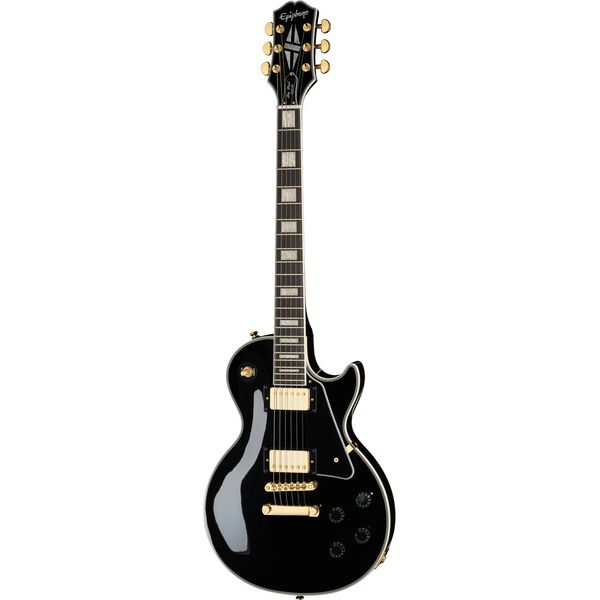
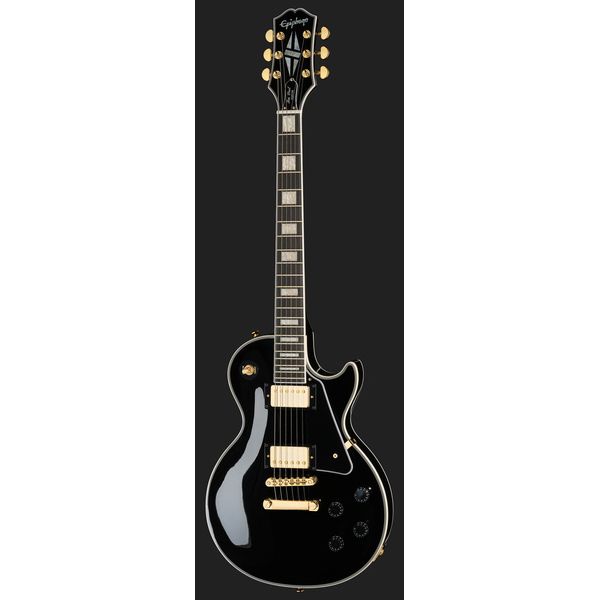
Black body. Gold hardware. Five layers of cream binding. Block inlays down an ebony board.
The Les Paul Custom is the single most theatrical guitar Gibson ever built, and the Gibson version costs about the same as a small car.
This is the Epiphone one. It costs a fraction of that, and after spending some proper time with it I have far fewer complaints than I expected.
What Is Actually In It
Mahogany body with a mahogany top – not maple, which is worth knowing. The original Customs were all-mahogany too, so this is period-correct rather than a cost cut.
Mahogany neck with a SlimTaper profile, and a genuine ebony fingerboard with mother-of-pearl block inlays.
Ebony is the headline for me. It is what the real Customs use, it is harder and denser than rosewood, and it gives the guitar a noticeably tighter attack.
Five-ply binding on the body, plus binding on the neck and headstock. This is a lot of binding work for the money and it is done cleanly.
The electronics
Two Epiphone ProBucker Custom humbuckers, two volumes, two tones and a three-way toggle.
ProBuckers use alnico magnets and 18 percent nickel-silver unit bases, which is a very Gibson way of building a pickup. They are quite a bit better than Epiphones of ten years ago.
Hardware is LockTone Tune-o-matic and stopbar, all in gold.
How It Plays
The SlimTaper neck is exactly what it says. Slim, flat-backed, easy to move around on.
If you like a chunky 50s profile you will find this one a bit anonymous. If you have small hands or you play a lot of fast stuff, you will love it.
The ebony board is properly slick. There is none of the dry, porous drag you get from a cheap rosewood substitute, and it stays that way without oiling.
22 frets, decently dressed, though the ends on mine could have used a little more rolling. Nothing sharp, just a bit square.
The weight thing
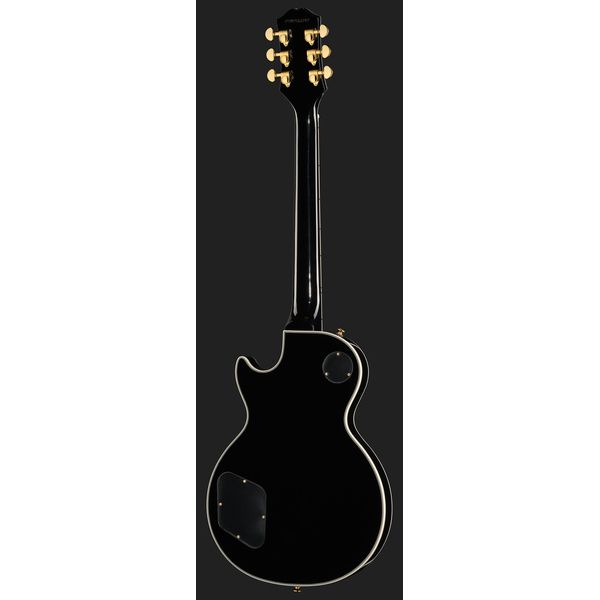
It is a Les Paul. It is heavy. All-mahogany construction means there is no lighter maple cap to help.
Expect somewhere around four kilos. A wide strap is not a luxury item here.
Upper fret access is the usual Les Paul compromise – the heel is right there at the 17th and there is no getting around it.
How It Sounds
Thick. That is the immediate impression. All-mahogany plus a set neck plus humbuckers equals a lot of low mid weight.
The bridge ProBucker Custom is punchy and slightly darker than a standard ProBucker, which suits the guitar. It growls rather than barks.
The neck pickup is genuinely lovely. Warm, vocal and thick without turning into mud, and it takes a bit of gain beautifully for lead work.
Middle position with both volumes at full is a bit polite, but roll one back and you get that classic Les Paul half-cocked chime.
The ebony board is doing something audible here. Compared to a rosewood-board Epiphone, the note attack is faster and there is a bit more definition on the top end.
It is not as open or as complex as a Gibson Les Paul Standard 60s. Nobody is claiming that. But it is much closer than the price gap suggests.
The Honest Niggles
Gold hardware wears. This is not a defect, it is what gold plating does. Within a year or two the bridge saddles and the pickup covers will start showing brass through.
Some people hate this. Others think it is the best thing about owning one. Either way, know it is coming.
The gloss neck finish is sticky in a warm room. Same complaint as most gloss-necked Epiphones.
Fretwork is good, not immaculate. A proper setup and a fret dress would push it from very good to excellent.
And the gigbag, while described as premium, is still a gigbag. A guitar this heavy and this shiny really wants a hard case.
How It Compares
Against the Epiphone 1959 Les Paul Standard, the 59 is the more accurate vintage recreation with a fatter neck and a maple cap. The Custom is darker, heavier and more dramatic.
Against the Les Paul Modern Figured, the Modern has better upper fret access and coil splits. The Custom has the looks and the ebony board.
If you want a Custom-adjacent shape for metal, the ESP LTD EC-1000 is the obvious rival and arguably the better built guitar.
And if you want the same Custom treatment on a different body, the Epiphone SG Custom is lighter and just as gaudy.
Specs at a Glance
- Series: Inspired by Gibson
- Body: mahogany with mahogany top
- Neck: mahogany, SlimTaper profile
- Fingerboard: ebony with mother-of-pearl block inlays
- Binding: 5-ply body, plus neck and headstock
- Nut width: 43 mm
- Scale: 629 mm
- Frets: 22
- Pickups: 2x Epiphone ProBucker Custom humbuckers
- Controls: 2 volume, 2 tone, 3-way toggle
- Bridge: LockTone Tune-o-matic with stopbar
- Hardware: gold
- Colour: Ebony
- Includes: premium gigbag
Final Verdict
The Epiphone Les Paul Custom is the most guitar-for-the-money in the entire Epiphone lineup, and it is not particularly close.
Ebony board, real binding work, decent pickups, and a look that makes people turn round when you get it out of the bag.
It is heavy, the gold will wear, and the neck is slimmer than purists want. Those are the trade-offs and they are all reasonable ones.
If you have ever wanted a Black Beauty and had a look at Gibson prices and quietly closed the tab, this is the version that actually happens.
Get it set up, put a decent strap on it, and enjoy being the most overdressed person in the rehearsal room.
Living With All That Gold
Gold hardware is a commitment. Nobody tells you this when you buy the guitar.
Sweat is the enemy. If you play hard and you do not wipe the thing down, the plating on the bridge and the tailpiece will start going patchy within months rather than years.
A microfibre cloth in the case solves about ninety percent of it. The other ten percent is just time doing its thing.
Do the pickup covers matter?
Tonally, no. Gold-plated covers sound the same as nickel ones.
Visually, they are the first bit to go because that is where your picking hand rests. If it bothers you, replacement covers are cheap. If it does not, congratulations, you have a relic.
The Black Finish
Solid Ebony poly, thick and glassy, and it shows every single fingerprint you have ever left on anything.
It also shows swirl marks. Guitar polish and a soft cloth, not a t-shirt. Learn from those of us who did it the other way round.
When it is clean though, it looks incredible. Under stage lighting the gold picks up the spill and the whole thing glows in a way that no natural finish manages.
Would I Change Anything?
Two things, and neither is urgent.
A fret dress and setup. The factory job is fine but a proper setup unlocks another level of playability, especially with that SlimTaper neck.
A hard case. The guitar is heavy and shiny and the bag is not really up to the job of protecting either of those things.
The pickups I would leave. The ProBucker Customs suit the all-mahogany body well, and if you want something hotter you are probably better off buying a different guitar entirely, like the Les Paul Junior for raw single-pickup attitude.