Watch It First
Ask ten bass teachers what they recommend for a first practice amp and you’ll get at least six answers pointing at Ampeg’s little 1×8. It’s basically the default suggestion at this point.
Now sold as the Rocket Bass RB-108 – the direct successor to the older BA-108 – it carries that same beginner-combo reputation forward. Same 8″ speaker formula, same no-nonsense approach, updated internals.
I put one through practice sessions, quiet headphone noodling, and a rehearsal room test to see if the reputation actually holds up. Short version: mostly, yes.
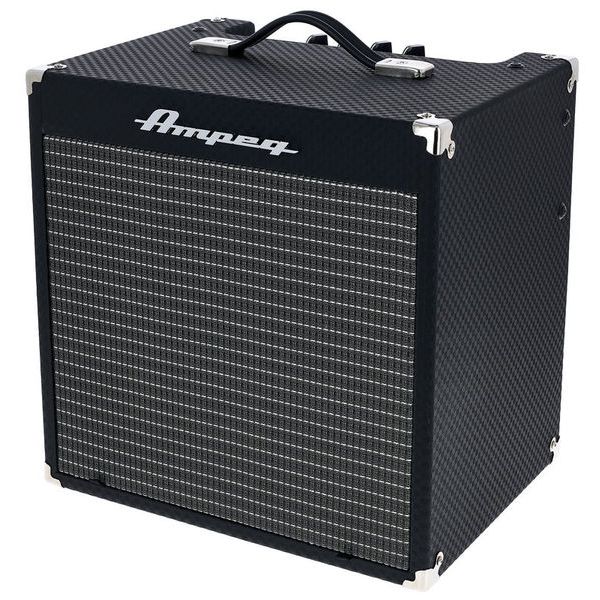
What’s Actually Inside
30 watts into a single 8″ Ampeg speaker with a tweeter for a bit of top-end clarity. Controls are refreshingly minimal: Volume, and a preamp section with 3-band EQ. That’s it for the basics – no menu diving, no confusing sub-parameters.
The headline feature is the SGT (Super Grit Technology) overdrive switch – flip it on and you get a genuinely usable analogue-voiced drive without needing a separate pedal. For a beginner-focused combo, that’s a smart inclusion; it means new players get to experiment with tone shaping without buying extra gear.
Tone
Clean
Don’t expect miracles from an 8″ speaker – there’s a natural ceiling on low-end extension here. But within that limitation, the clean tone is surprisingly full and punchy, with the tweeter adding just enough definition that notes don’t turn to mud when you dig in.
SGT Grit
Flip the grit switch and it adds a warm, slightly compressed edge rather than harsh fizz – good for rock, punk, or just adding character to practice sessions. It’s not going to replace a dedicated bass overdrive pedal for serious tone-chasers, but for a beginner combo it’s a genuinely nice bonus feature most rivals skip entirely.
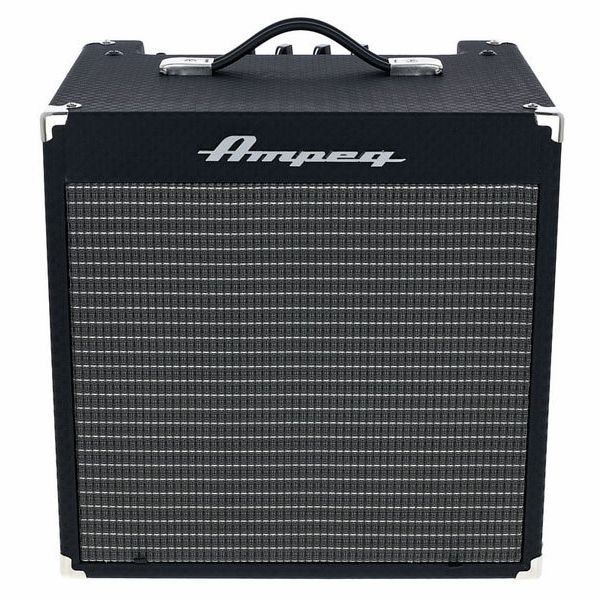
Build and Connections
At 10.5kg it’s genuinely light for a bass combo – easy for a kid or a smaller adult to carry to lessons without help. Two instrument inputs are provided (0dB and -15dB), which is a thoughtful touch since basses with active electronics can easily overload a standard input.
There’s an AUX input for jamming along to backing tracks and a headphone output for silent practice – both essential for a beginner amp that’s realistically going to spend a lot of time in a bedroom, not a rehearsal space.
What’s Missing
No DI output, no FX loop, no built-in tuner. This is a deliberately stripped-back combo, and honestly, for its target buyer that’s the right call – fewer things to fiddle with, more time actually playing.
Who’s This For
New bass players, students, and anyone who wants a genuinely trustworthy practice amp without a huge learning curve. It pairs perfectly with a first bass like the Harley Benton PB-50 or a short-scale option like the Ibanez Mikro if you’re buying a complete starter setup.
It’s also a solid grab for anyone who just wants a small, reliable amp to keep at a second location – a parent’s house, a studio corner, wherever. Not really built for gigging or loud band rehearsals, but that’s not the assignment here.
Honest Niggles
- 8″ speaker has a natural low-end ceiling – don’t expect chest-thumping sub-bass from this size cabinet.
- No DI output or FX loop, so it’s not really a „grow with you” gigging amp long-term.
- Single volume knob with no separate gain stage means dialling in subtle overdrive levels takes a bit of EQ trickery.
- At full volume in a small room it can get a little boxy – it’s happiest at practice, not party, levels.
How It Compares
Against a Fender Rumble 25 or a Harley Benton HB-80B, the Ampeg wins on brand pedigree and the SGT overdrive feature – the others are perfectly competent but a bit more generic. Against a Bugera at a similar price, the Ampeg name alone carries real resale value if you ever want to upgrade and sell it on.
If you eventually outgrow the 8″ and want more headroom, Ampeg’s own RB-110 II is the natural next step up, keeping the same house sound with a bigger speaker and more power on tap.
Specs at a Glance
- Power: 30W @ 4 ohms
- Speaker: 1x 8″ Ampeg + tweeter
- Controls: Volume, 3-band EQ preamp
- Overdrive: SGT (Super Grit Technology) switch
- Inputs: 6.3mm jack (0dB / -15dB), AUX in
- Output: Headphone jack
- Weight: 10.5kg
- Dimensions: 433 x 411 x 306mm
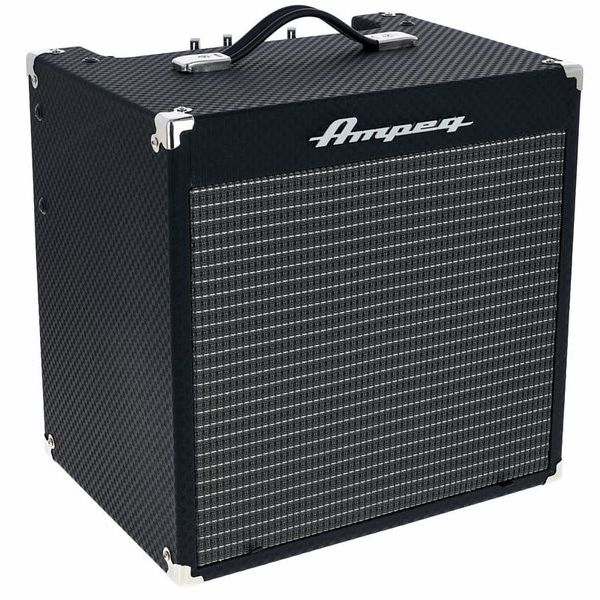
A Few More Days With It
I lent this to a friend’s kid who’s about six months into lessons, and it disappeared into their routine within a day – no confusion about what any knob does, which is exactly what you want from a first amp. That’s honestly the best endorsement a beginner combo can get: nobody had to explain anything.
Compared to a starter package bundled with a no-name mini amp, spending a bit more here buys real Ampeg voicing and a piece of gear that’ll actually get used for years, not outgrown in a month. Pair it with a solid beginner bass like a Squier Sonic Precision or the Yamaha TRBX174EW and you’ve got a genuinely solid, no-regrets starter rig – check our best first bass guitars guide for more pairing ideas.
Final Verdict
Why the Substitution From BA-108
Quick note for anyone hunting specifically for the older Ampeg BA-108: it’s been discontinued and replaced in Ampeg’s current lineup by the Rocket Bass RB-108 reviewed here. Same 8″ combo formula, same target buyer, same beginner-friendly price bracket – Ampeg essentially refreshed the internals and added the SGT overdrive switch as the headline upgrade over the old BA series.
If you spot a used BA-108 secondhand, it’s still a perfectly solid amp and shares the same DNA. But if you’re buying new, the RB-108 is the one you’ll actually find on shelves, and it’s the better amp anyway thanks to that grit switch and dual-sensitivity inputs.
The „beginner bass combo standard” tag isn’t marketing fluff – this amp has genuinely earned it over the years, and the Rocket Bass update keeps that reputation intact. Simple, reliable, and it actually sounds like an Ampeg, not a generic beige box.
If you’re buying a first amp and don’t want to overthink it, this is a genuinely safe, well-loved pick. FYI, budget for a gig bag and a strap while you’re at it – you’ll want them from day one anyway.