Watch It First
I’ll admit it upfront: I have a soft spot for the Orange Micro Terror. It’s one of those amps that shouldn’t work as well as it does.
It’s the size of a large sandwich, weighs less than a bag of sugar, and somehow still sounds like an actual Orange amp rather than a toy.
It’s been around since 2012 and Thomann still sells it new, which tells you something about how well this little thing has aged.
What’s Actually Inside This Tiny Box
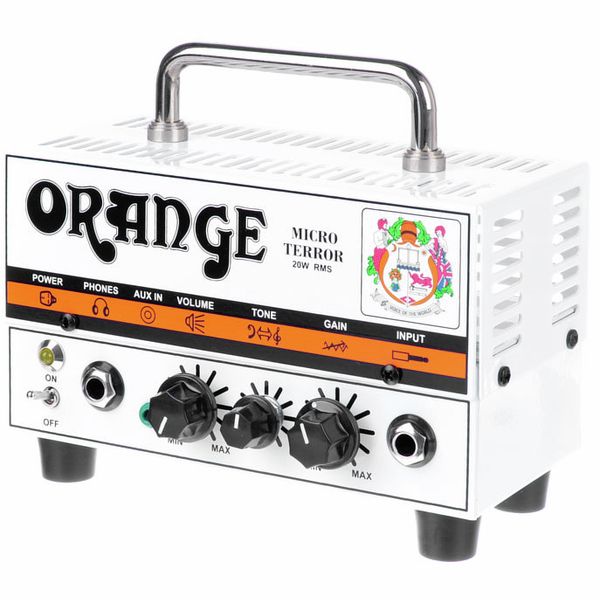
It’s a hybrid design: a real ECC83 valve preamp feeding a solid-state power section rated at 20 watts. That combination is the whole trick here, you get genuine tube character in the tone shaping without the size, weight, or cost of a full valve power amp.
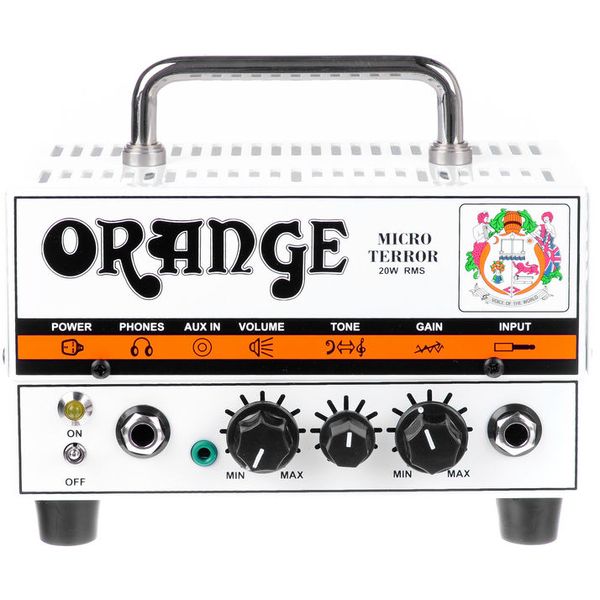
Controls are dead simple: Volume, Tone, Gain. No channels to switch between, no digital menu, nothing to overthink. You plug in, turn three knobs, and start playing within about ten seconds of opening the box.
There’s also an aux input round the back for jamming along with your phone or a laptop, which is a small addition but genuinely useful for anyone using this as a dedicated bedroom practice rig rather than just a novelty backup amp.
Why the Simplicity Works in Its Favor
A lot of budget amps try to do too much and end up doing everything a little worse. The Micro Terror does one thing, classic Orange gain, and does it convincingly at a fraction of the size and weight of the brand’s full-size heads.
If you want the full range of what Orange makes at bigger wattages, our best Orange amps roundup covers the rest of the current lineup in more depth.
Why I Actually Love This Thing
It’s genuinely loud for its size. Owners regularly report it getting uncomfortably loud through an efficient cabinet well before the gain knob passes halfway, which is impressive for something that weighs under a kilogram.
It also travels stupidly well. This is the amp that fits in a backpack pocket next to your lunch, comes to band practice, and still growls like a proper head once it’s connected to a real cabinet. If your rig needs to be portable, our best amp heads for metal roundup has a few bigger siblings worth comparing against once you outgrow this one.
And it’s cheap enough that buying a backup, or a second one to run in stereo with a friend’s rig, doesn’t feel like a big financial decision. That’s rare in this hobby.
There’s also something charming about how unserious this amp looks while being completely serious about tone. It doesn’t try to be a status symbol. It’s a little orange box that sits on top of a cab looking almost comically small, then makes noise that makes people turn around and ask what it is.
The Honest Cons
- No reverb, no effects, no channels. If you want a clean and a dirty tone, you need a footswitch pedal or a second amp.
- The volume knob is touchy. A tiny nudge is the difference between whisper-quiet and neighbor-complaint loud.
- It needs a cabinet. This is a head, not a combo, so budget for a speaker if you don’t already own one.
- Headphone/aux quality is just okay, fine for practice, not something you’d mix a record through.
None of these are surprising for an amp this small and this affordable, and honestly, they’re the trade-offs that make it possible in the first place.
Build quality has held up remarkably well too. Mine’s been dropped, thrown in bags without padding, and generally treated worse than it deserves, and the knobs and jacks still feel tight after years of that treatment. That kind of durability is a big part of why this amp still has such a loyal following well over a decade after launch.
Pairing It Properly
An efficient 1×8 or 1×12 cabinet brings out the best in this thing. Orange’s own small cabs are an obvious pairing, but it’s genuinely happy driving most 8-16 ohm speakers you already own, including a spare guitar cab gathering dust in a closet.
If you want a comparison point against a similarly tiny head from a different brand, our Bugera amps breakdown covers a different budget-friendly philosophy worth knowing about before you commit.
Who Should Actually Buy This
Anyone who wants a genuine grab-and-go practice head, a cheap backup amp, or a first taste of real Orange gain without committing to a full stack. It’s also a great pedal platform since the gain stage is simple enough not to fight with your dirt pedals.
Pair it with a couple of picks from our best pedals for metal roundup and you can push it into surprisingly heavy territory, or keep things simple and lean on our best amps for indie rock list if you want a mellower tonal reference point instead.
It’s probably not the right choice if you need a two-channel amp for quiet verses and loud choruses within one song, since there’s no way to switch tones on the fly without a pedal doing the work. If that’s your main requirement, look at a proper combo instead of a bare head like this one.
Specs at a Glance
- Power: 20 watts hybrid (valve preamp, solid-state power amp)
- Preamp tube: ECC83/12AX7
- Controls: Volume, Tone, Gain
- Aux input for practicing with backing tracks
- Speaker output: 1x 8 ohm
- Weight: 0.85kg
- Includes 15V DC power adapter
Final Verdict
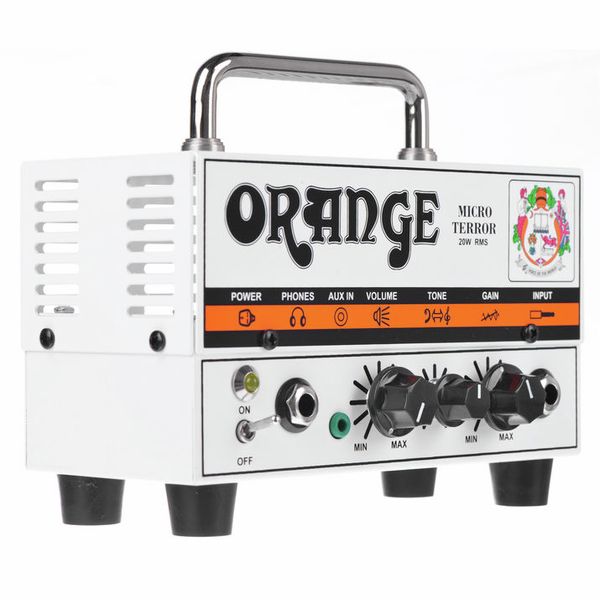
Fourteen years on the market and still going strong says everything you need to know. The Micro Terror isn’t trying to be your only amp, but as a second amp, a backup, or a first proper taste of Orange tone, it’s hard to beat.
IMO, this is one of those rare pieces of gear that earns its cult following honestly. Cheap, small, and genuinely fun to plug in, and still one of the easiest recommendations I make to anyone asking about a portable practice head.