Watch It First
Not everyone has the hands, the shoulder, or the patience for a full-scale bass. Kids, guitarists doubling on bass, and anyone with smaller hands often bounce straight off a standard 34-inch neck. The Ibanez Mikro GSRM20 exists precisely for those people – and it’s become a cult favourite for a reason.
It’s a proper short-scale bass at a genuinely tiny price, and it’s been quietly outselling flashier instruments for over a decade. Ibanez basically invented the modern budget short-scale category with this thing.
So is the Mikro a serious instrument or just a toy with strings? I went through the specs, the demos and a stack of owner reviews to find out. Here’s the honest verdict.
Small Scale, Real Instrument
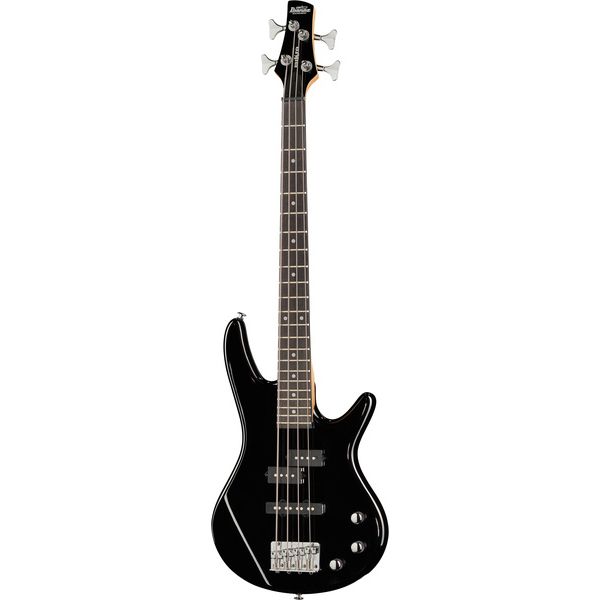
The headline is the 28.6-inch short scale. That’s a big drop from a standard 34-inch bass, and it changes everything about how the instrument feels. The frets are closer together, the reach is shorter, and the whole thing is lighter on a strap. For a young player or a guitarist crossing over, that lower barrier to entry is the whole point.
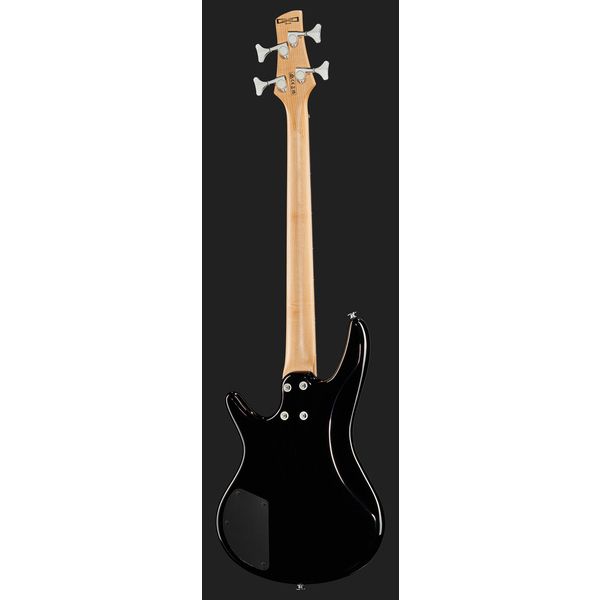
But this isn’t a cheap plank. You get a poplar body, maple neck and rosewood fretboard with 22 frets – the same recipe Ibanez uses across its budget line. The build quality punches well above the price, and owners routinely describe it as feeling far more expensive than it is. If you’re weighing up where to start, my best first bass guitars guide puts it in context.
How It Sounds
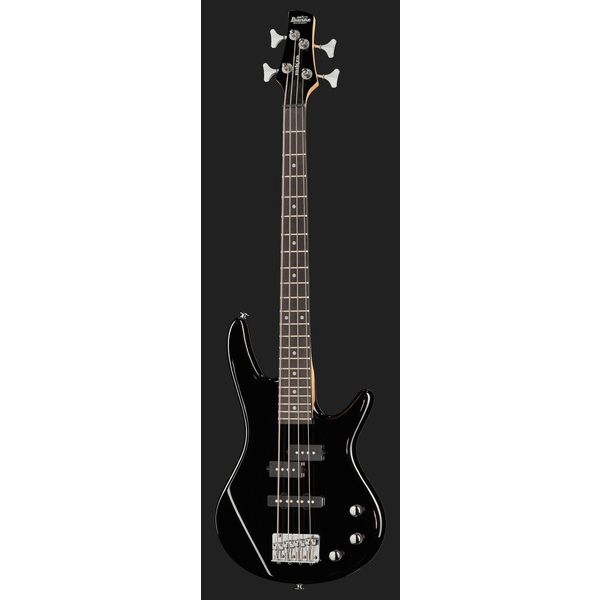
The pickups are a classic PJ passive setup – a P-style pickup at the neck and a J-style at the bridge. That gives you a surprising range for a budget bass: warm and round with the neck pickup, brighter and more cutting with the bridge added in. It’s simple, passive, and honestly all a beginner needs.
Short-scale basses have their own voice, and the Mikro leans a touch brighter and punchier than a full-scale bass rather than deep and booming. Some players actually prefer it for that reason – it sits nicely in a busy mix. It’s not going to out-slap a boutique instrument like the ones in my best bass guitars for slap roundup, but for the money it’s remarkably usable.
Who It’s Really For
Three groups love this bass. First, younger players and smaller-handed people who find a full-scale neck a genuine struggle. Second, guitarists who need a bass for home recording and don’t want to relearn their entire fretting hand – the short scale feels much closer to a guitar. Third, travellers and couch players who want something they can grab and noodle on without hauling a full-size instrument around.
It also makes a brilliant backup or a first step before you commit to something pricier like a Squier Sonic Precision Bass or the well-loved Harley Benton Beatbass. Plenty of owners keep their Mikro long after they’ve upgraded, simply because it’s so easy to pick up.
The Honest Niggles
It’s not perfect. A few owners mention a slight hum from the unshielded control cavity – an easy fix with a few pounds of copper shielding tape if it bothers you, but worth knowing. The stock strings are also nothing special and benefit from an early swap. And of course, a short scale won’t give you that full, cavernous low end some players crave. None of these are dealbreakers at this price, but I’d rather you hear them from me.
The Specs That Matter
- Scale: 28.6″ (726 mm) short scale
- Body: Poplar
- Neck: Maple
- Fretboard: Rosewood, 22 frets
- Pickups: PJ – P-style neck + J-style bridge, passive
- Bridge: Ibanez B10
- Weight: Light and easy on the shoulder
Short Scale vs Full Scale – What You Actually Lose
Let’s clear up the biggest worry people have before buying a short-scale bass: are you giving something up? A little, but probably not what you think. The lower string tension of a 28.6-inch scale makes the strings feel slinkier and easier to fret, which is fantastic for comfort but means you’ll want to watch your right-hand attack so notes don’t get floppy. Drop a slightly heavier gauge string on and the Mikro tightens right up.
Tone-wise, you trade a sliver of deep, room-filling low end for a punchier, more articulate midrange. In a full band mix that’s often an advantage, not a compromise – the notes cut through instead of turning into mud. Most players who worry about the short scale forget about it within a week. Your ear adjusts, your hands relax, and you just start playing more, which is the entire point of a beginner instrument.
A Couple of Cheap Upgrades
If you want to get the most out of it, two small tweaks make a big difference. First, shield the control cavity with copper tape to kill that faint single-coil hum some owners mention. Second, swap the factory strings for a decent short-scale set – the stock strings are fine but a fresh set of nickel rounds wakes the whole bass up. Total outlay is pocket change, and it turns an already-great budget bass into something you’d never guess was this cheap. For more entry-level value picks, my budget beginner guide is worth a look.
Verdict
The Ibanez Mikro GSRM20 is one of the easiest recommendations in the entire budget bass world. It’s cheap, it’s genuinely well built, and it solves a real problem for players who can’t or don’t want to wrestle a full-scale neck. That combination is rarer than it should be.
Shield the cavity, throw on a fresh set of strings, and you’ve got a bass that will happily see a beginner through their first few years – or live permanently in a guitarist’s studio. For the money, it punches so far above its weight it’s almost silly. If a short-scale bass is even slightly on your radar, start here. It’s cheaper than a decent set of pedals, and it’ll outlast most of them.