Watch It First
Fender’s Hammertone line has quietly become one of the more sensible budget pedal ranges out there, and the Breakup Driver is the overdrive entry in that lineup. Small box, simple controls, does exactly what it says on the tin.
The name is the whole pitch, really – „breakup” as in the sound of a tube amp just starting to push into grit. It’s JFET-based, which is the same approach a lot of boutique overdrives use to chase that amp-like feel rather than a harsher, more digital-sounding clip.
It’s not the flashiest pedal on a board. But at this price, flashy isn’t really the point – reliable, musical drive is.
Fender launched the Hammertone series a few years back specifically to compete in that sub-350 zł bracket dominated by names like Boss and Behringer, and this Breakup Driver is one of the newer additions to the range, arriving alongside a companion Boost pedal. The timing makes sense – budget pedal shoppers increasingly expect JFET or op-amp circuits that feel closer to boutique gear, not just cheap clipping diodes stuffed in a box.
Tone – Where the JFET Circuit Earns Its Keep
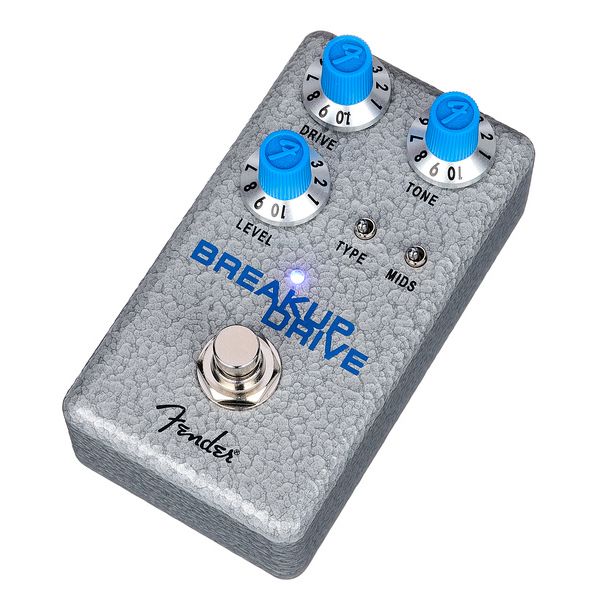
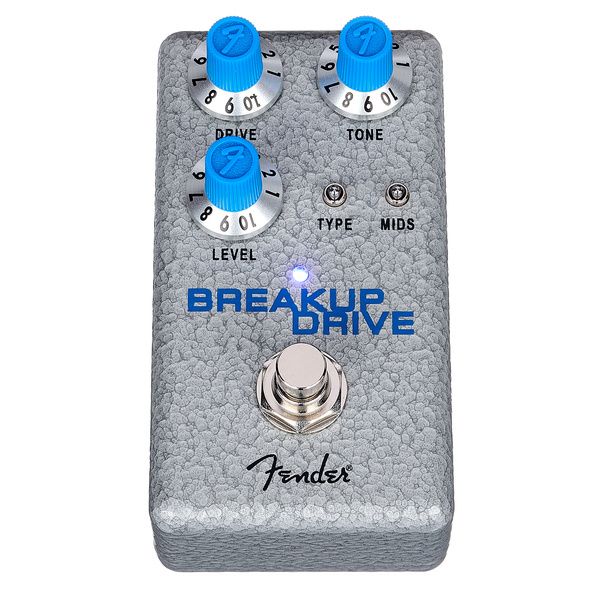
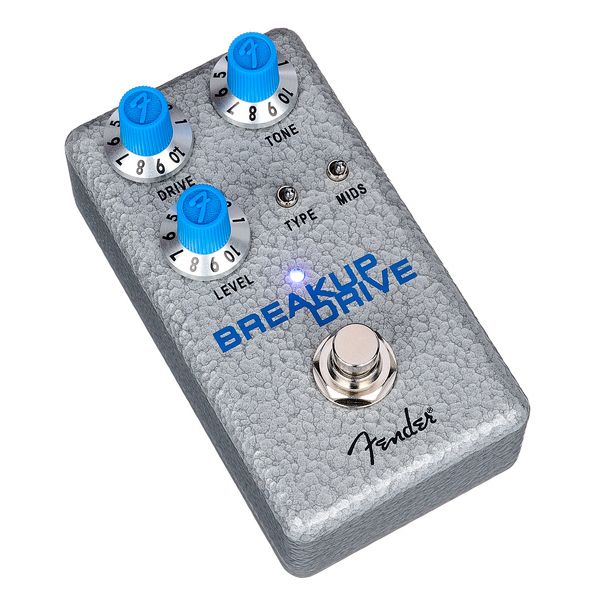
Three knobs: Drive, Tone, Level. A type switch flips between a lighter breakup voicing and a hotter medium-gain overdrive mode, and a second switch kicks in a mid boost for extra push in a mix.
At lower Drive settings it genuinely does that „amp on the edge” thing well – think blues-rock rhythm tone, not fuzzed-out lead territory. Push the Drive further and it thickens up into a usable classic-rock crunch without turning fizzy or harsh, which is where a lot of budget overdrives fall apart.
The mid boost switch is the secret weapon here. Flip it on for solos and the pedal cuts through a band mix noticeably better – some players find it a touch aggressive, but as an option rather than a permanent voicing, it’s a smart inclusion.
Dial the Tone knob and you get a fairly wide sweep too – dark and woolly at one end for rhythm work, brighter and more cutting at the other for single-note lines. It doesn’t have the surgical EQ shaping of a three-band overdrive, but for a single Tone knob it’s more useful than most.
Build & Controls
It’s a small-format pedal, so it won’t eat much space on a crowded board. Standard 9V battery or DC power (adapter not included), true-bypass-style footswitch, LED status indicator – nothing unusual, all present and correct.
The knobs feel reasonably solid for the price, and the two mini toggle switches give it more flexibility than the knob count alone suggests. It won’t survive being thrown in a bag loose for years, but for a gigging or practice pedalboard it holds up fine.
Compared to the metal-chassis tanks some boutique brands build, this leans more toward „solid enough” than „built like a brick.” Fair trade-off given the price, and it’s the same construction approach the rest of the Hammertone range uses.
Who’s This Pedal For?
Blues and classic rock players chasing that „tube amp starting to break up” sound will get the most out of it. It’s also a solid first proper overdrive for someone graduating from a cheap all-in-one multi-effects unit and wanting something more organic-feeling.
If your amp already runs hot and you just want a gentle push into breakup, the light mode nails it. If you’re playing through a cleaner amp and need the pedal to do more of the work, the medium mode plus mid boost gets you there.
Honest Niggles
It’s a one-trick pedal in the sense that it does breakup/overdrive and nothing else – no built-in boost-only mode beyond what the mid switch offers, no distortion-level gain on tap. That’s by design, but worth knowing if you wanted more range from a single box.
Some players find the mid boost a little narrow or „honky” at max settings – it’s a taste thing, and easily avoided by just leaving it off. And like most pedals at this price, the power adapter is sold separately, which is a minor annoyance when you’re setting up a board from scratch.
How It Compares
Against something like the MXR Custom Shop Timmy, the Breakup Driver is far simpler and cheaper, trading transparency and tonal range for ease of use and price. If you want something more boost-focused, the Xotic BB Preamp leans further into that clean-boost-to-light-drive territory.
Within Fender’s own Hammertone range, it sits alongside the Hammertone Fuzz for players who want the fuzzier end of the family instead. And if low-gain, amp-like drive is really what you’re after, it’s worth cross-shopping against the Wampler Belle Overdrive – pricier, but a genuine step up in refinement if budget allows.
Rounding Out the Board
An overdrive is rarely the only pedal on someone’s board, and this one plays nicely with others thanks to its relatively low output character. Stack it before a fuzz for extra girth, or pair it with a compressor like the Wampler Ego Compressor ahead of it for a tighter, more controlled drive tone.
If you’re building out a beginner-friendly board and want a wah in the mix too, the Dunlop Cry Baby is the obvious classic pairing for solo sections.
Specs at a Glance
- Type: JFET-based overdrive
- Controls: Drive, Tone, Level
- Switches: Type (light breakup / medium overdrive), Mid boost
- Bypass: Footswitch with LED indicator
- Power: 9V battery or 9V DC adapter (not included)
- Dimensions: 62 x 112 x 56 mm
- Weight: 250 g
- I/O: 6.3mm jack in/out
Final Verdict
The Fender Hammertone Breakup Driver doesn’t try to be everything – it’s a focused, well-voiced overdrive that nails the „amp on the edge” tone at a genuinely budget price. The mid boost switch adds just enough flexibility to keep it interesting past the honeymoon phase.
If you want a no-fuss overdrive that sounds more expensive than it costs, this is an easy one to recommend. Not the pedal for players chasing extreme gain or heavy tonal shaping – but for blues, rock, and everyday rhythm tones, it punches well above its price.