Watch It First
Sire has been chipping away at the „budget bass with real tone” category for years now, and the Z3 might be their most interesting shot yet.
It borrows heavily from StingRay-style design cues, but with Sire’s own take on the electronics and construction.
Is it actually a StingRay alternative worth taking seriously, or just another lookalike cashing in on the shape? Let’s find out.
Build and Materials
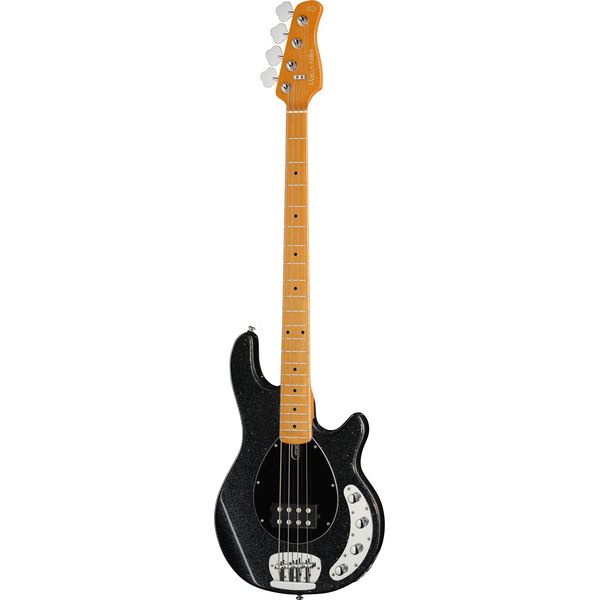
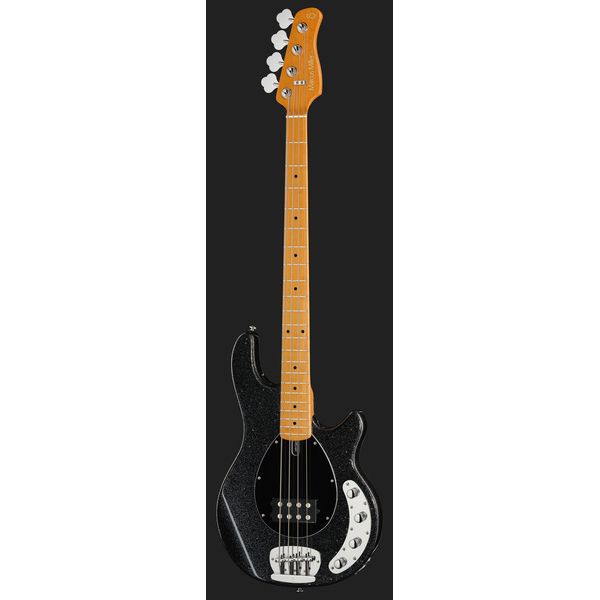
Mahogany body, bolt-on maple neck, maple fretboard with rounded, edgeless binding — that last detail alone is unusual at this price.
A bone nut and a 12-inch fretboard radius (flatter than most budget basses) round out a spec sheet that reads more like a mid-tier instrument than an entry-level one.
22 medium-jumbo frets give you real range up the neck, and the whole thing comes in under 4kg according to owner reports — genuinely light for a mahogany-bodied bass.
Marcus Miller’s own input into this design shows in small details, like the contoured heel that makes upper-fret access noticeably easier than on a lot of budget basses.
The swamp ash body keeps things light on a long strap without sacrificing the resonance that gives this bass its characteristic bite.
Hardware
Sire’s own bridge and open-gear tuners handle the job without fuss. Chrome hardware throughout keeps things looking clean.
Owners consistently mention the fit and finish punching above the price tag — no rough fret ends, no sloppy routing.
The slim, fast neck is clearly built with slap and finger-style technique in mind — it rewards an aggressive playing approach rather than punishing it.
Playability
The neck profile is a comfortable „C” shape, and the rolled fretboard edges genuinely make a difference during long playing sessions.
At under 4kg, this is a bass you can gig all night without your shoulder filing a complaint the next morning.
Balance on a strap is solid too, with no obvious neck-dive despite the StingRay-style body shape.
Tone
One bridge humbucker, paired with Sire’s Marcus Heritage-3 active preamp with push/pull controls for extra tonal options.
In neutral EQ position, you get a solid, rock-steady StingRay-adjacent tone. Push the mids and you’re in classic slap territory; pull them back for warmer fingerstyle work.
You can also pull out the bass control to switch to passive mode, which is a nice failsafe if your battery dies mid-gig. IMO that alone makes this a smarter buy than basses that go completely silent without power.
Studio players like it for exactly that reason — a bass that arrives with a strong, defined voice needs less processing to sit right in a finished mix.
Tone in Practice
Funk and fusion are the obvious home turf here, unsurprising given whose name is on the headstock — the humbucker delivers that punchy, vocal growl on demand.
It handles modern pop and R&B sessions well too, where a bright, present low end needs to sit clearly without getting muddy.
For genres wanting a rounder, more vintage passive tone, you’ll be reaching for the EQ more than you would on a P-Bass or traditional Jazz bass.
Who Should Buy This
It’s also a smart pickup for anyone who’s watched a hundred Marcus Miller clips and wants to chase that exact percussive thump and snap in their own playing.
Funk and slap players will find a lot to love here, but the passive mode also makes it flexible enough for rock, pop, or session work.
Anyone chasing that StingRay-adjacent growl without the premium price tag should put this on their shortlist.
If your style is more rock rhythm section than funk lead lines, a simpler passive bass might serve you better and cost less to boot.
Players chasing that specific Marcus Miller sound without the real StingRay’s price tag are exactly who this bass was designed for.
If you need a second pickup for tonal variety, though, this single-humbucker layout might feel limiting compared to PJ or HH designs.
Worth Comparing Against
Against the actual Ernie Ball StingRay, the Z3-4 gets remarkably close tonally for a fraction of the outlay — the gap shows up more in fit-and-finish than in the sound coming out of the amp.
Compared to other Sire models, the Z-series sits above the entry-level V-series in electronics and hardware quality, which is where a lot of that extra growl and punch comes from.
The Schecter Stiletto Stealth-4 offers a different active-electronics approach if you want more pickup options.
If you’d rather have Warwick’s take on modern German bass design, the Warwick RockBass Streamer 4 is a great alternative, and the Cort A4 Plus is worth a look if boutique-style neck-through construction appeals to you.
Honest Niggles
Some buyers have reported needing to return units due to minor QC inconsistencies — not universal, but worth checking your unit carefully on arrival.
The active EQ can also get boomy in the low end if you’re heavy-handed with the bass knob. A little restraint goes a long way here.
Some owners note the stock strings feel a touch generic — a fresh set tailored to your preferred tone is a cheap, easy upgrade if you want to make it feel fully your own.
Single humbucker means less tonal range than a two-pickup bass. Fine if that’s your style, limiting if it isn’t.
Setup out of the box was solid on the units owners reported on, with only minor intonation tweaks needed before gigging — always worth a professional once-over regardless.
Specs at a Glance
- Body: Mahogany
- Neck: Maple, bolt-on, „C” profile
- Fretboard: Maple, 12″ radius, edgeless binding
- Scale: 34″ (long scale)
- Frets: 22 medium-jumbo
- Pickup: 1x Sire Standard MM humbucker (bridge)
- Electronics: Marcus Heritage-3 active preamp, passive switchable
- Hardware: Chrome, Sire Standard bridge
Final Verdict
The Sire Z3 delivers a genuinely convincing slice of StingRay-style growl without the StingRay-style invoice.
Light weight, comfortable neck, and an active preamp with a passive safety net make this an easy bass to recommend for gigging players on a budget.
It’s not going to replace a premium American-made bass, but for what it costs, it’s one of the more complete packages in this price range. Also worth a look: the Epiphone EB-3 and the Ibanez Mikro GSRM20 for two very different takes on budget bass.
For the money, it’s hard to find another bass that nails this specific tone as convincingly.